


Teaching core vocabulary words in my classroom made a bigger difference in student communication than anything else I tried. I’ve worked with many nonverbal and emerging communicators who struggled to express their needs, wants, and feelings. I knew busy work wasn’t helping them grow. Once I became intentional about how I teach core vocabulary words throughout the day, I started seeing real changes. My students participated more, frustration decreased, and communication attempts increased in meaningful ways. I’m not a speech and language therapist, but with guidance from amazing SLPs and a lot of trial and reflection, I found simple ways to teach core vocabulary words that actually worked in a real special education classroom.
Why Teaching Core Vocabulary Words Supports Real Communication
Many of our students with disabilities struggle with communication. That struggle often shows up as behavior, avoidance, or withdrawal. I spent years trying different activities that looked good on paper but didn’t actually give my students the tools they needed to communicate during real moments of the school day. What finally clicked for me was realizing that my students didn’t need more worksheets. They needed language they could use all day long.
When you teach core vocabulary words, you’re giving your students access to words that work across settings. These are the words your students can use during lessons, transitions, play, frustration, and problem-solving. Core vocabulary words help students request, protest, comment, and participate without needing a new set of words for every activity.
Once I shifted my focus to teaching core vocabulary words consistently, I noticed my students becoming more independent. They didn’t need adults to guess as often. They didn’t rely as heavily on prompting. Even small communication attempts started to feel more intentional and meaningful.
Core Vocabulary in the Classroom
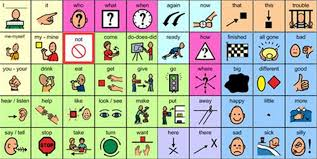
I used core vocabulary visuals throughout my classroom and utilized a Core Vocabulary Word Wall that I referenced during lessons. When a student hesitated or seemed unsure of what to say, I didn’t rush in with the answer. I pointed to the word wall, modeled the word, and waited. Over time, my students began to look toward the visuals on their own.
I also made sure core vocabulary boards were always available. If a student needed one, it was within reach. I taught my students to carry their boards with them from place to place so communication didn’t stop when we moved to a new area of the classroom. If the board wasn’t nearby, the opportunity to communicate often disappeared.

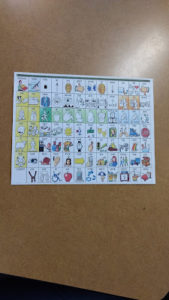
How to Teach Core Vocabulary Words for AAC Users
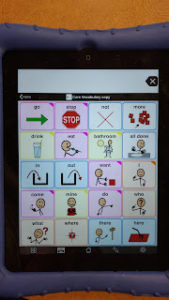
For our students who used AAC devices or apps, I made sure they had a clear and accessible core vocabulary page. Since core vocabulary words are the words we use most often, it made sense to keep them front and center. I didn’t want my students digging through folders just to say something simple like help or stop.
When you teach core vocabulary words to AAC users, modeling matters. I modeled words on my students’ devices during real moments, not just during structured lessons. Before starting an activity, I modeled go. Before giving more of a preferred item, I modeled more. When something needed to pause, I modeled wait.
Even brief modeling helped my students understand how the words fit into their daily routines. Over time, my students began attempting those words themselves, especially when they felt regulated and supported.
Using Daily Routines to Teach Core Vocabulary Words
One of the most effective changes I made was to include core vocabulary into the routines we were already doing. Instead of adding another block to the schedule, I used morning meetings as a natural place to teach core vocabulary words.
During calendar, weather, lunch count, and daily schedules, we practiced the same core words repeatedly. The routine stayed predictable, and the language stayed consistent. This gave my students repeated exposure without overwhelming them.
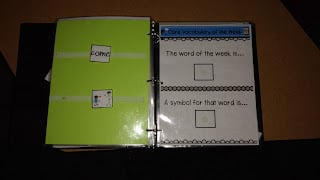
I also added a “word of the week” routine. I chose one core vocabulary word and intentionally used it throughout the week in different situations. We practiced the word during work time, transitions, games, and problem-solving moments. My students heard it, saw it, and used it in meaningful ways instead of just pointing to it once and moving on.

How to Teach Core Vocabulary Words Without Overprompting
When you teach core vocabulary words, it’s so tempting to jump in and help every time your student hesitates. I did that at first, too, because I wanted my students to be successful. I didn’t want them to get frustrated. I learned quickly that constant prompting can accidentally turn communication into a guessing game where your student waits for the adult to lead.
One shift that helped me was building in intentional wait time. After I modeled a word, I paused. Even if it felt awkward. Even if it felt long. That pause gave my students time to process, scan the board or device, and attempt the word in their own way. Sometimes the attempt was messy, slow, or not perfect. It was still communication, and that mattered more than speed.
Another thing that helped was reducing my language and keeping my modeling simple. Instead of giving a long verbal explanation, I would model one or two key core words that matched the moment. If my student needed help opening something, I modeled help. If they were clearly done with an activity, I modeled stop or all done. When you teach core vocabulary words this way, your students learn that the words actually work for them, not just during “communication time,” but during real life moments they care about.
Teaching Core Vocabulary Words Through Direct Instruction
Teaching core vocabulary words works best when our students see how the words are actually used. I made sure to directly model the word in context and give my students a chance to respond in whatever way worked best for them. That might be pointing, selecting a symbol, activating a device, or using eye gaze.
The goal isn’t perfection. The goal is participation. Some of our students need repetition. Some need wait time. Some need errorless choices at first. All of those adaptations are okay. What matters is that my students are given consistent opportunities to communicate using the same core words over and over again.
Direct instruction doesn’t mean long lessons. It meant intentional moments throughout the day where communication can be a priority.
Teach Core Vocabulary Words by Planning for Real Moments
One thing I wish more people said out loud is that teaching core vocabulary isn’t just about the word wall, the device, or the visuals. It’s also about planning for the moments that trigger the biggest communication needs. For a lot of nonverbal and emerging communicators, the most important language doesn’t show up during a worksheet. It shows up during waiting, transitions, denied access, and unexpected changes.
The biggest win came when I used core vocabulary for problem-solving and regulation, not just requesting. It’s powerful when our students can say stop instead of pushing materials away, or say help instead of shutting down. What if they could say wait instead of melting down when something is taking too long? When you teach core vocabulary words around real classroom moments, your students start to feel like communication works.
Explore Resources to Help Teach Core Vocabulary Words
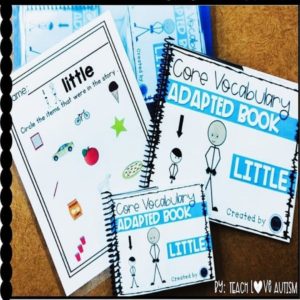
If you’re looking for resources to help you teach core vocabulary words with consistency and purpose, you can explore my Core Vocabulary collection. I created these resources to support repetition, flexibility, and different learning styles so your students have multiple ways to practice the same words.
You’ll find adapted books, BOOM Cards, and worksheets that make it easier to model core vocabulary. They will give your students repeated exposure and reinforce words across different activities and routines. These tools work well for nonverbal and emerging communicators. They can be used during small groups, independent work, or whole class instruction.
Having materials that are already set up for practice and review can make a big difference. You can browse the Core Vocabulary collection of resources and choose what fits best for your students and your classroom routines.
It’s a Process to Teach Core Vocabulary Words
If you’re just starting to teach core vocabulary words, it can feel overwhelming. It helped me to remember that I didn’t need to teach every word at once. Starting with a small set of words and teaching them well made a bigger impact than introducing too many words without enough practice.
Core vocabulary instruction grows over time. You can add new words and change visuals. You can adjust boards and devices. What matters most is consistency and access. Even small steps can lead to big communication gains when your students finally have words that fit their real needs.
Save for Later
Save this post to your favorite Pinterest board so you can come back to it when you’re planning, adjusting routines, or supporting a new student. Having these ideas handy makes it easier to reflect on what’s working, try a new approach, or share the post with a teammate or family member who supports communication at home.