


If you’ve ever spent an evening laminating visual schedules, cutting task cards, organizing communication supports, and searching for missing pieces from a work task, you already know that prep time is a major part of teaching in a special education classroom. Between creating instructional materials, maintaining visual supports, and organizing resources for multiple learners, we often spend countless hours to prep materials for instruction.

The good news is that having the right prep materials can make a huge difference. The best prep materials help save time, increase organization, create durable resources, and make it easier to support student independence throughout the school year. While every classroom is different, there are certain tools that I have consistently relied on because they make preparing materials faster, easier, and far less stressful.
Why Prep Materials Matter in Special Education
Special education classrooms often require more hands-on instructional materials than general education classrooms. Visual schedules, communication boards, task cards, independent work systems, behavior supports, and adapted activities all require preparation and ongoing maintenance. Without the right prep materials, you can quickly find yourself spending more time organizing resources than actually teaching.
Effective prep materials also help create consistency. When materials are durable, organized, and easy to access, your students can use them more independently. Your staff members can also support instruction more efficiently. Instead of constantly replacing damaged resources or searching for missing pieces, you can focus your energy on helping your students learn.
Investing in the right prep materials early can make a significant difference throughout the year. The tools below are not just supplies. They are solutions that help simplify preparation, improve organization, and support successful instruction.
1. A Reliable Laminator

If I could only recommend one tool, a laminator would be near the top of my list. You will be making and using visual schedules, communication supports, token boards, task cards, center activities, and work systems that your kiddos and staff will be handling multiple times throughout the day. Without lamination, many of those materials will quickly become bent, torn, or damaged.
A laminator helps create durable materials that can withstand daily use. When you start to prep materials, consider laminating any visuals that your students will use repeatedly. This might include first/then boards, classroom schedules, behavior supports, and independent work activities. Taking the time to laminate these materials before your students arrive can save you countless hours of replacing items later.
It can also be helpful to create a dedicated prep station for storing and organizing laminated materials. Your laminator will have a safe place to sit. You and your staff members can find the laminating sheets and a basket of items that need to be laminated quickly, helping you to use time efficiently. Having your visuals ready to go before the school year begins makes it much easier to teach routines and expectations during those critical first weeks of school.
2. Velcro
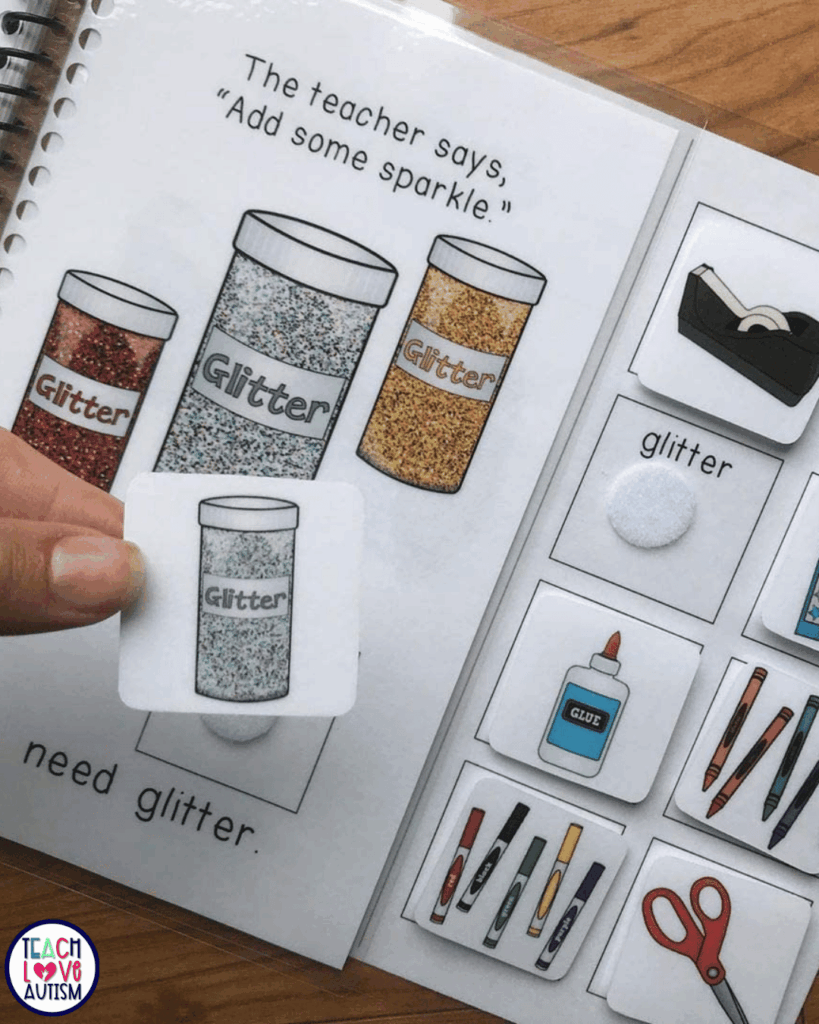
If laminators are essential, Velcro is their best friend. Many of us rely on interactive visual supports that require our students to move, remove, or manipulate pieces throughout the day. Many of the resources we use each day with our students all become more functional when Velcro is part of the classroom setup.
One of the biggest mistakes I made early in my teaching career was creating visual supports without thinking through how my students would interact with them. Once I started adding Velcro to schedules and work systems, my students were able to participate more independently in classroom routines.
As you prep materials, think about how your students will use materials rather than simply where materials will be stored. Create a system for organizing extra schedule icons, communication symbols, and replacement pieces so your staff can quickly find what they need. A little organization goes a long way when your classroom relies heavily on visual supports.
3. File Folders
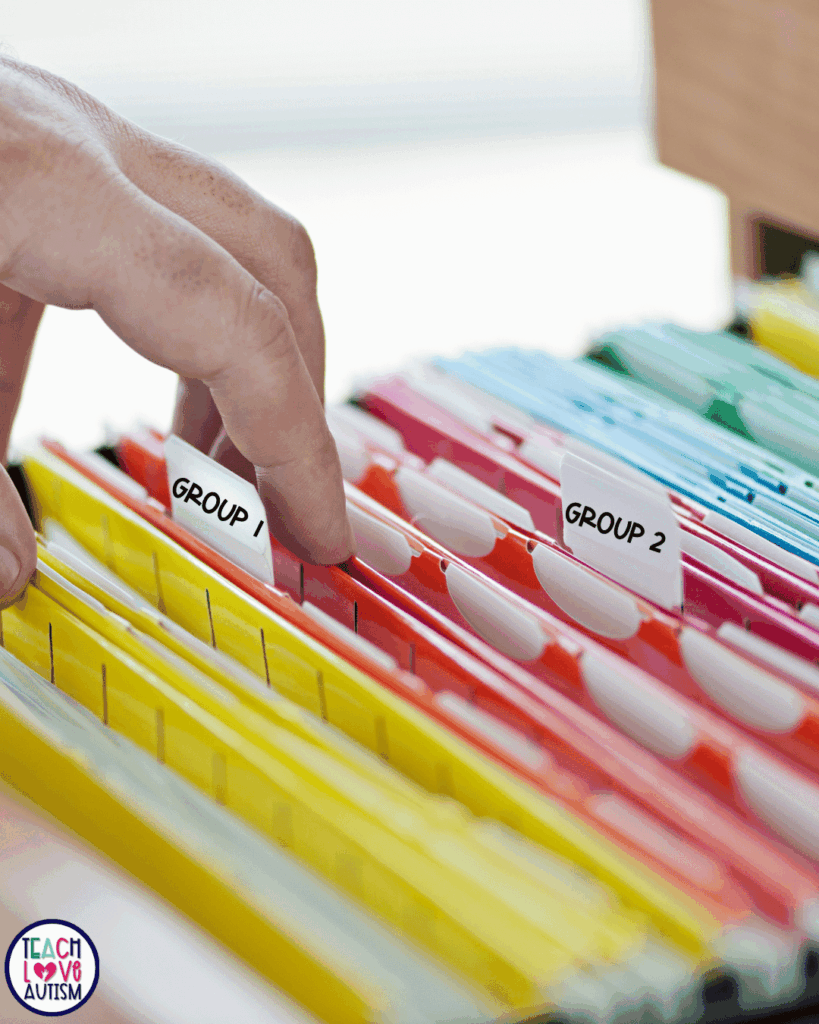
File folders may seem simple, but they can become one of the most versatile tools in your prep materials. They work well for independent work tasks, matching activities, sorting activities, and file folder games that support academic and functional skills.
One of my favorite ways to use file folders is in independent workstations. My students can complete a task, place materials back into the folder, and then move on to the next activity with minimal adult support. This helps build independence while also keeping materials organized and easy to access.
Consider creating a storage system specifically for file folder activities. Label folders by skill area, student group, or instructional level. This way, you and your staff members can quickly locate appropriate activities. You can use a plastic crate with hanging file folders, or you can use a file holder.
4. Storage Bags and Containers
One challenge that you can face is keeping track of all the small pieces that come with classroom materials. Task cards, puzzle pieces, manipulatives, clothespins, communication symbols, and matching cards can easily become mixed together or lost.
When planning out prep materials, think about the materials your students will use most often and assign each category a specific storage location. You might keep all matching activities in one labeled bin and fine motor activities in another, with task cards in a drawer system organized by skill area. If you use work task boxes, store all of the pieces for a task inside a labeled zipper bag before placing it in the clear container or box. This prevents materials from getting mixed together and makes it easier for your paraprofessionals to prepare activities throughout the day.
Clear containers can be especially helpful because both your staff and your students can quickly see what belongs inside. The easier materials are to locate and return, the more independent your students can become during transitions and cleanup routines.
5. A Good Paper Cutter
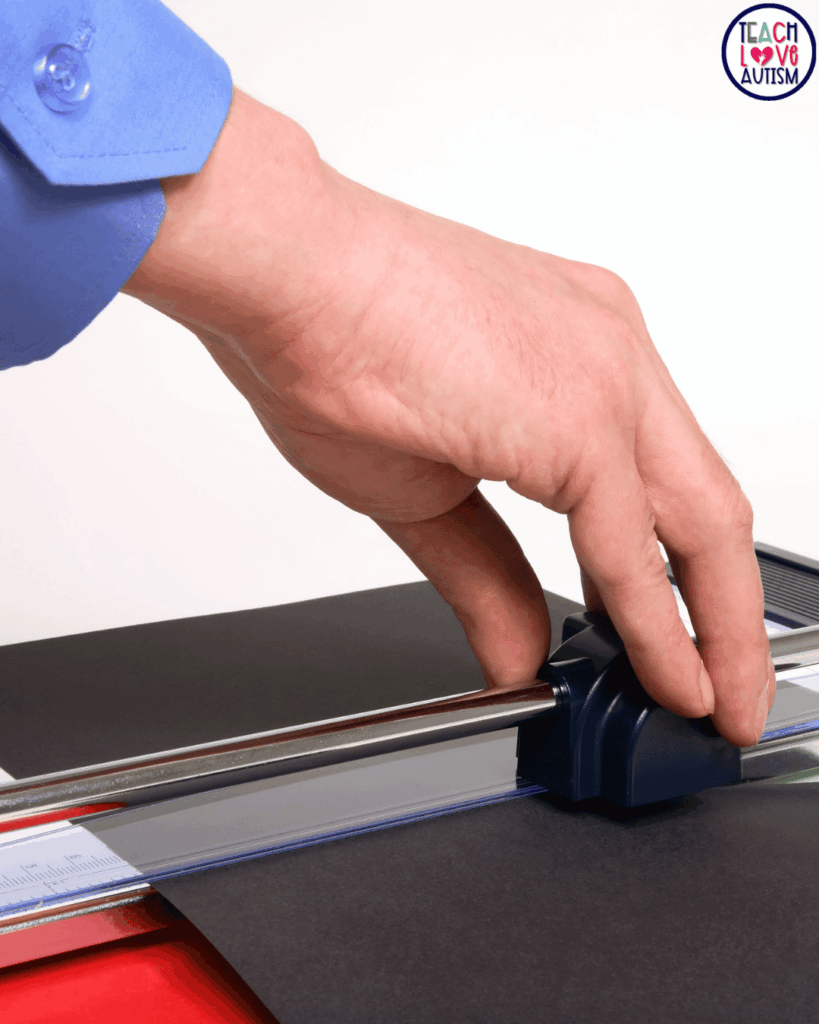
A paper cutter is particularly helpful when creating classroom visuals as you start to prep materials. Labels for bins, visual schedules, communication cards, and task materials often require cutting multiple pieces of the same size. A paper cutter makes that process faster and more consistent.
Since we work with our wonderful paraprofessionals, a paper cutter can also make delegation easier. Staff members can quickly prepare materials without spending hours cutting individual pieces by hand. Those time savings add up quickly throughout the school year.
6. Binders

One binder system that worked well in my classroom was creating separate binders for different purposes. I kept a teacher binder with important schedules, lesson plans, and student information. I also maintained paraprofessional binders for data collection and communication logs so my staff members could easily document progress throughout the day. Having these systems in place made it much easier to stay organized during IEP meetings and progress reporting periods.
Binders can also support student independence. You can create binder work systems by placing laminated activities into sheet protectors or directly onto binder pages. Your students can work through activities independently, return the binder to its designated location, and move on to the next task with minimal adult assistance.
7. A Color-Coding System

One of the easiest ways to simplify classroom organization is through color coding. Whether you use Astrobright paper, folders, labels, bins, or binder covers, a consistent color-coding system can make your classroom setup significantly more efficient.
To start, choose one organizational category and assign it a color. For example, you might use blue for reading materials, green for math activities, yellow for life skills instruction, and red for behavior supports. You can then use matching folders, labels, binders, and storage bins throughout your classroom.
Color coding can also be used for your student groups. If one reading group is assigned blue and another is assigned green, your students can quickly locate their materials. Your staff members can easily distribute resources without confusion. This becomes especially helpful when you have multiple paraprofessionals or service providers coming in and out throughout the day.
As you prep materials, create a simple color-coding guide and share it with your staff. When everyone understands the system, materials are easier to find, put away, and less likely to be misplaced throughout the school year.
8. Durable Tape and Repair Supplies
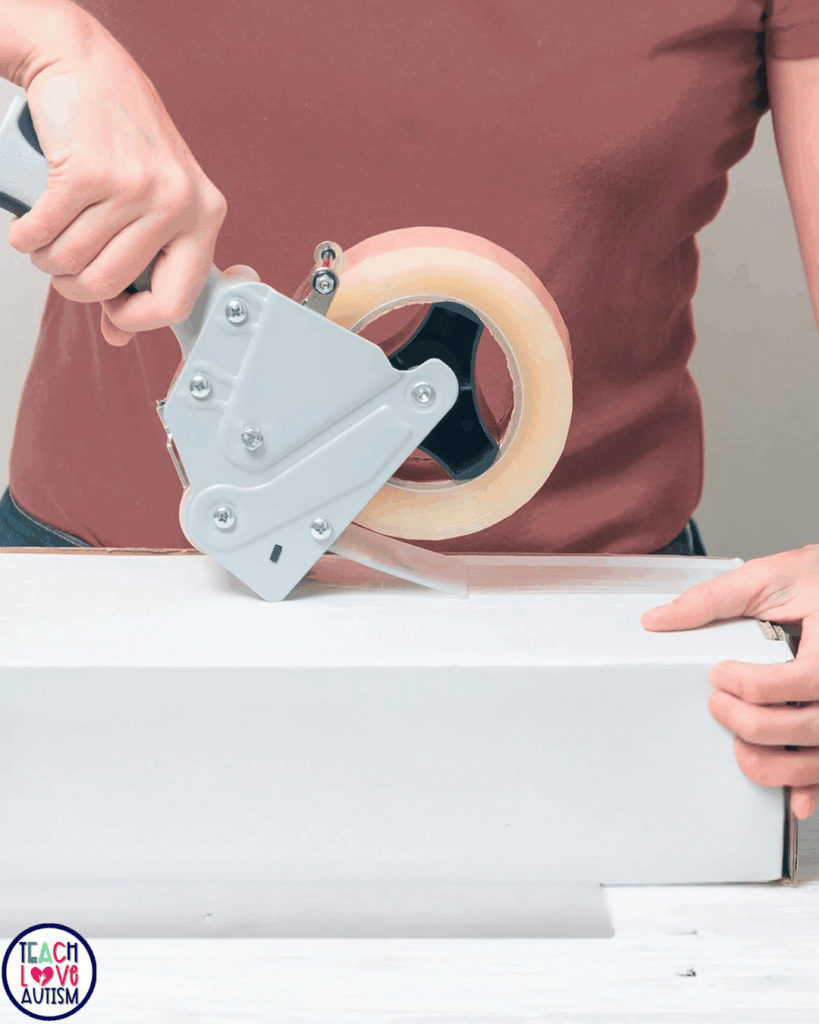
Even the most carefully prepared classroom materials experience wear and tear. Having durable tape and basic repair supplies available allows you to make quick fixes before small problems become larger frustrations.
Clear packing tape, book tape, and other repair materials can help extend the life of visual supports, task cards, and classroom resources. Instead of replacing damaged materials immediately, you can often repair them and continue using them effectively.
Create a small maintenance station as you prep materials. Keeping repair supplies in one location makes it easy for you and your staff to address issues as they arise. It also helps preserve materials throughout the year.
9. Comfortable Prep Tools
Preparing materials often involves hours of cutting, laminating, organizing, and assembling materials. Comfortable prep tools can make those tasks more manageable and help maintain motivation to get these tasks checked off!
Spring-loaded scissors are one example of a tool that many of us will find helpful. They require less hand strain and can make repetitive cutting tasks easier to complete. While they may seem like a small investment, they can make a noticeable difference during busy prep periods.
Think about efficiency not only for students but also for yourself and your staff. Small adjustments can help make classroom preparation more sustainable over time.
10. A Reliable Printer
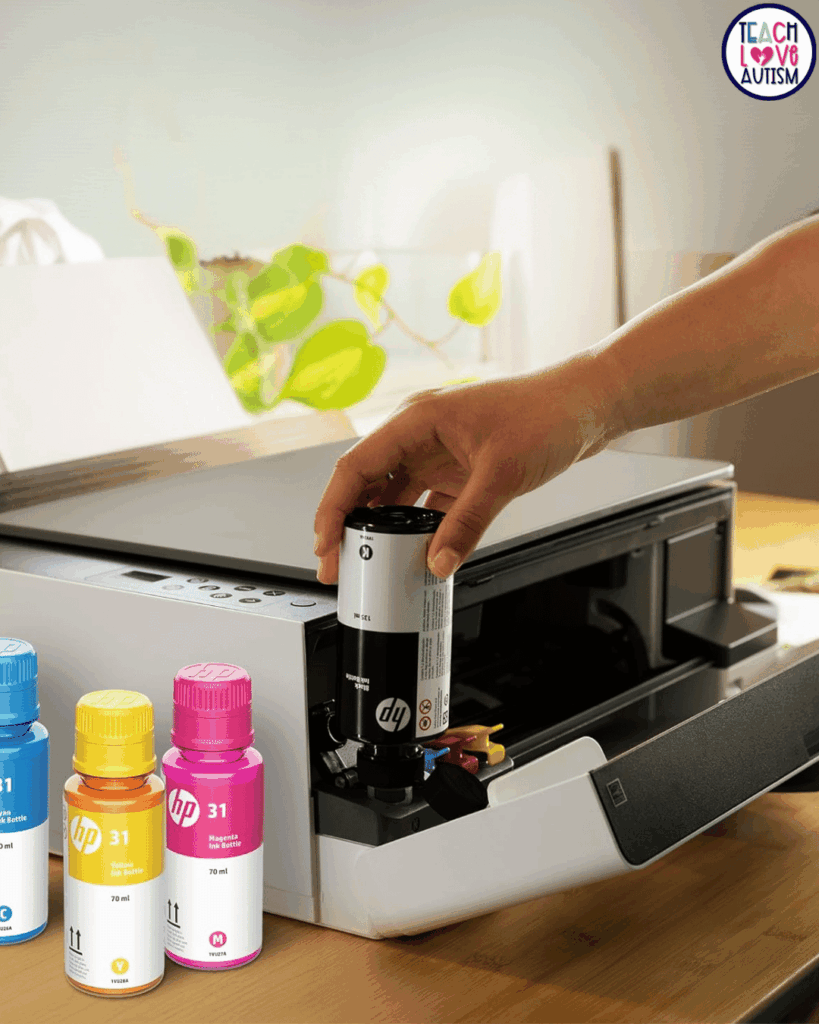
We rely heavily on printed materials. Everything we use with our students, we send home to our families, and share with fellow teachers and paraprofessionals, requires regular printing. It does not take long before you realize just how much paper and ink your classroom setup can require.
One of the best investments you can make is a reliable printer that can handle frequent use. I recommend choosing ink subscription services because they help reduce the stress of constantly running out of ink during busy times of the year. There is nothing worse than spending an evening preparing visual supports only to discover your printer is out of ink halfway through the job.
Think about creating a digital folder system for materials you print regularly. Keep your resources organized by category so they are easy to locate and reprint when needed. Having a dependable printer and an organized filing system can save you countless hours.
Ready to Upgrade Your Prep Materials?
There is no perfect preparation system. Every classroom develops its own routines over time. The key is finding prep materials that help you stay organized, create durable resources, and make instructional materials easy to access. By investing in quality prep materials and creating systems that work for your students and staff, you can spend less time managing resources and more time doing what matters most, which is teaching your students.
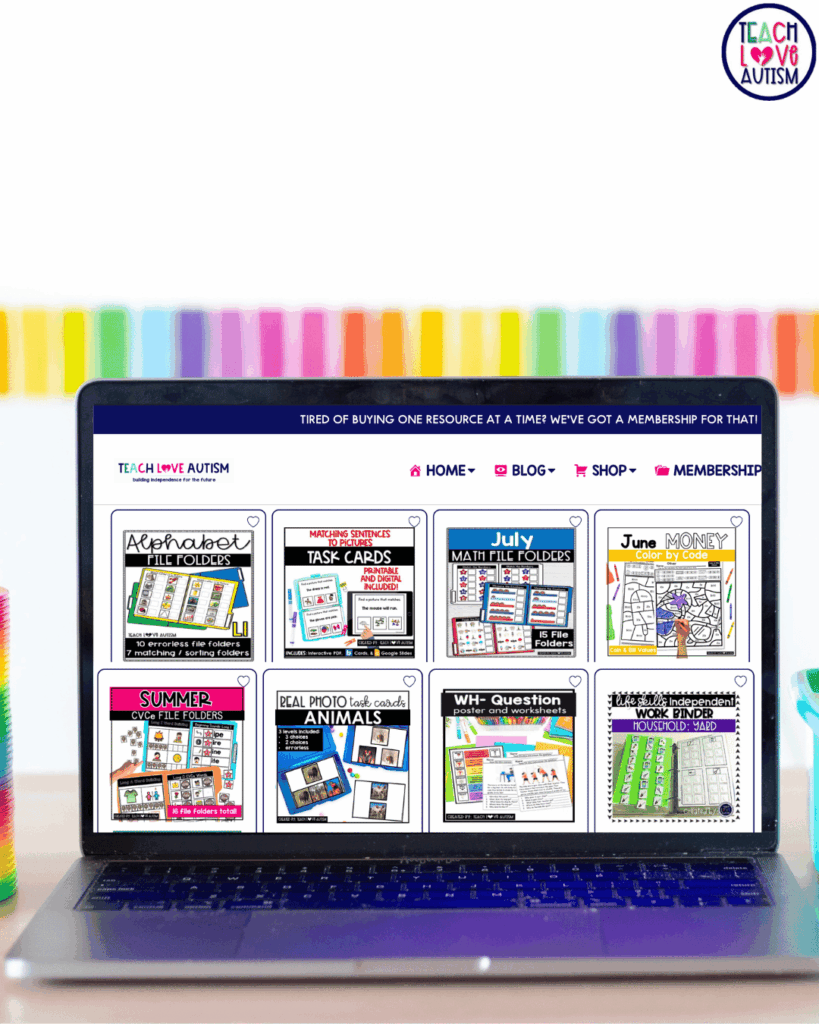
If you are looking for more resources that help simplify preparation, I have a collection of special education materials designed to save you time and help you build routines that work. From visual schedules and work tasks to paraprofessional organization tools, classroom forms, communication supports, and independent work activities, you’ll find resources that can help you create a classroom that is both organized and student-centered. Take a look through my store and choose the tools that fit your students’ needs and your teaching style.
Save for Later
Save this post to your favorite Special Education Pinterest board so you can come back to these must have prep materials whenever you’re organizing your classroom, preparing materials, or looking for ways to create more independence for your students.


One Response
Great post! I'm going to look into those spring loaded scissors. My hands are killing me!!