Let’s be real: lesson plans for a special education classroom is a whole different ball game. Your students are working at different levels, have unique sensory and behavioral needs, and need instruction that aligns with their IEP goals—not just the general ed curriculum.
So how do you make it all work without spending every weekend glued to your desk?
Here’s the honest truth: lesson plans for a special education classroom don’t need to be complicated—they need to be intentional. I think that’s where a lot of times we go in the wrong direction.
In this post, I’ll walk you through a simple framework for planning that balances structure with flexibility and includes four key instructional types that should show up in your weekly plan. Whether you’re brand-new to special education or just looking to feel more organized, this is for you.
What Makes Lesson Plans for a Special Education Classroom Unique?

In a self-contained classroom, lesson planning isn’t as simple as writing one math or reading lesson for the whole group. You’re often planning multiple versions of a single lesson to meet the wide range of skill levels in your room. Some students may be working on basic number identification, while others are learning to add or solve word problems—all at the same time. And that’s just for one subject.
Now layer in IEP goals that need to be targeted and documented, related services like speech or OT that pull students in and out of class, behavior plans that require consistency and support, and the constant need for data collection—and it’s no wonder that planning can feel completely overwhelming.
You’re not just a teacher. You’re a planner, a problem solver, a therapist, a data analyst, and a support system—all rolled into one. That’s why having a flexible, realistic approach to lesson planning is key. It helps you manage all the moving pieces without burning out, and it ensures your students get the individualized instruction they deserve.
That’s why your lesson plans need to:
- Reflect your daily classroom schedule
- Include intentional time for small groups and 1:1 instruction
- Be flexible enough for absences, behaviors, and service interruptions
- Prioritize student independence and functional skills
The 4 Types of Instruction Every Special Ed Teacher Should Plan For
These four instructional blocks—whole group, small group, 1:1 instruction, and independent work—are the foundation of your lesson plans for a special education classroom. Think of them as your classroom’s core structure. You might not hit all four every single day (and that’s okay!), but across the week, each one should show up in some form. They work together to create a balanced and responsive learning environment that supports every student’s needs.
Whole group builds classroom community and introduces shared concepts. Small group allows you to target specific skill levels or goals. One-on-one time is where you really hone in on individualized instruction, especially for IEP targets. And independent work? That’s where students get to practice, build confidence, and demonstrate what they can do without constant support.
When you intentionally plan around these four types of instruction, you’re not only meeting your students where they are—you’re also creating a classroom flow that feels more predictable and manageable for you. It gives structure to your day and ensures you’re not scrambling to fit in goal work, academic tasks, or engagement activities at the last minute. Instead, you have a clear rhythm that supports student growth and teacher sanity.
1. Whole Group Instruction

Whole group instruction is the heart of classroom community—even in a self-contained classroom where students have a wide range of needs and abilities. This time isn’t about expecting every student to master a skill at the same pace; it’s about shared experience, exposure to new concepts, and building classroom connection. Whether you’re doing a read-aloud, introducing a life skill, or modeling a math strategy, whole group lessons give students a chance to learn together. They get to hear the same language, see the same visuals, and experience the rhythm of group learning. That kind of consistency builds comfort and familiarity over time.
This block is also an ideal time to focus on community building and social engagement. Students learn how to participate in group settings—like raising hands, listening, taking turns, and using visuals to communicate. Because attention spans and regulation vary, whole group lessons should be short, visual, and engaging. Think songs, anchor charts, role-playing, or interactive activities that bring energy to your classroom. And even if students aren’t showing direct responses yet, don’t underestimate the power of exposure—they’re learning just by being part of it. Over time, this structured group time creates a classroom culture of inclusivity, where every student has a role and feels a sense of belonging.
Whole Group Lesson Ideas:
- Morning Meeting / Calendar Time
- Read Alouds or Adapted Books with picture supports or AAC modeling
- Social-emotional learning (SEL) lessons
- Music & movement sessions
2. Small Group Instruction

Small group instruction is where the real magic happens in a self-contained special education classroom. This is the time when you can target specific skills, scaffold instruction, and truly meet students where they are. Students are grouped by skill level, IEP goal area, or learning style so that instruction can be more personalized and effective. Whether you’re working on phonemic awareness, math fluency, communication goals, or functional life skills, small group time gives you the flexibility to slow down, model more, and adjust on the fly. It’s also an ideal time to introduce new concepts before moving them to independent or whole group practice.
Because the groups are smaller and more focused, you’ll likely see more engagement and progress during this block. This is also where data collection becomes much more manageable—you’re working with just a few students at a time, so you can observe and take notes more accurately. The goal isn’t perfection; it’s purposeful instruction that aligns with IEPs, student needs, and your classroom flow. Keep it simple with task boxes, adapted books, manipulatives, or leveled worksheets that can rotate between groups. The beauty of small group instruction is that it gives every student a moment to shine and a space where learning feels doable and personal.
Small Group Instructional Ideas:
- Literacy or math groups at different levels
- Hands-on science or sorting activities
- Vocabulary building using visuals and manipulatives
3. 1:1 IEP Goal Work
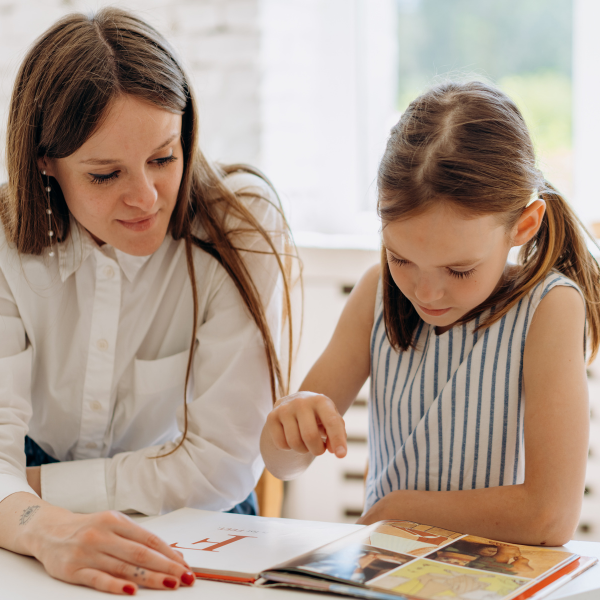
One-on-one time is one of the most valuable blocks in a self-contained special education classroom. This is your opportunity to provide individualized instruction that’s fully aligned to each student’s IEP goals. Whether it’s practicing a communication skill, building functional academics, or working on fine motor tasks, this time is laser-focused on what that student needs most. It’s also the ideal moment to collect meaningful data because you can observe the student directly, take notes on prompts and progress, and make quick instructional adjustments on the spot.
1:1 goal work doesn’t have to be lengthy or elaborate—it just needs to be consistent and intentional. You can rotate through short sessions across the week, using goal-aligned materials like adapted task cards, interactive notebooks, or manipulatives that tie directly to the student’s objectives. Over time, this dedicated time builds student confidence, reinforces skill retention, and ensures you’re staying compliant with IEP documentation. Plus, students often feel more successful in a quiet, focused setting where they have your full attention—even if just for a few minutes at a time. It’s not about doing everything one-on-one; it’s about using this block strategically to move each student forward.
1:1 Instructional Ideas:
- Direct instruction on reading/math/functional skills
- AAC communication trials
- Behavior plan implementation
- Life Skills using task analysis
4. Independent Work
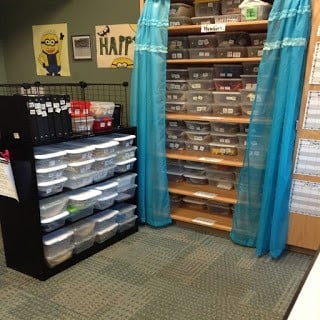
Independent work time is more than just a classroom management tool—it’s a powerful way to build student confidence, reinforce skills, and foster autonomy. In a self-contained classroom, students thrive on routine and repetition, and independent work gives them the structure they need to practice familiar tasks at their own pace. This might look like matching activities, file folder tasks, adapted books, or task boxes aligned to IEP goals or previously taught concepts. The key is to offer tasks students can complete with little to no help, which boosts their sense of success and capability.
This block is also essential for classroom flow—it creates the space for you to meet with small groups or provide 1:1 instruction without constant interruptions. When students know the expectations and can engage in meaningful work independently, you get more instructional time and fewer behavior issues. Over time, these routines help students build work stamina, follow multi-step directions, and transition more smoothly—skills that are critical both in and beyond the classroom. The more predictable and personalized your independent work system is, the more empowered and independent your students will become.
Independent Work Instructional Ideas:
- Task boxes or file folder activities
- Work systems using visual instructions
- Digital learning stations
A Sample Daily Schedule (With Time Blocks) to help Lesson Plans for a Special Education Classroom
Every classroom will look different, but here’s an example of how you might structure your day around these four blocks. This can then help you with creating the lesson plans for a special education classroom and especially for self-contained classrooms.
| Time | Activity | Instruction Type |
|---|---|---|
| 8:30 – 9:00 AM | Arrival Routine & Morning Work | Independent Work |
| 9:00 – 9:30 AM | Morning Meeting / Calendar | Whole Group |
| 9:30 – 10:15 AM | Reading Small Groups (3 rotations) | Small Group |
| 10:15 – 10:45 AM | 1:1 IEP Work / Centers | 1:1 Instruction & Ind. |
| 10:45 – 11:15 AM | Snack / Sensory Break | N/A (Transition) |
| 11:15 – 11:45 AM | Math Small Groups | Small Group |
| 11:45 – 12:15 PM | Independent Work / Task Boxes | Independent Work |
| 12:15 – 12:45 PM | Lunch | N/A |
| 12:45 – 1:15 PM | Life Skills / Social Skills Lesson | Whole Group / Functional |
| 1:15 – 1:45 PM | Science or Thematic Activity | Small Group or Whole |
| 1:45 – 2:15 PM | Centers + 1:1 IEP Work | 1:1 & Independent Work |
| 2:15 – 2:45 PM | Wrap-Up Routine / Story Time | Whole Group |
Final Thoughts on Lesson Plans for a Special Education Classroom
Lesson plans for a special education classroom don’t need to feel overwhelming.
If you anchor your week around these four types of instruction—whole group, small group, 1:1, and independent—you’ll meet your students’ needs without spinning your wheels.
Let your schedule guide your planning. Keep your routines consistent. Use systems like task boxes, group rotations, and goal-aligned resources to support you.
And most importantly? Give yourself permission to keep it simple. Your students don’t need Pinterest-perfect—they need connection, consistency, and care.
You’ve got this.
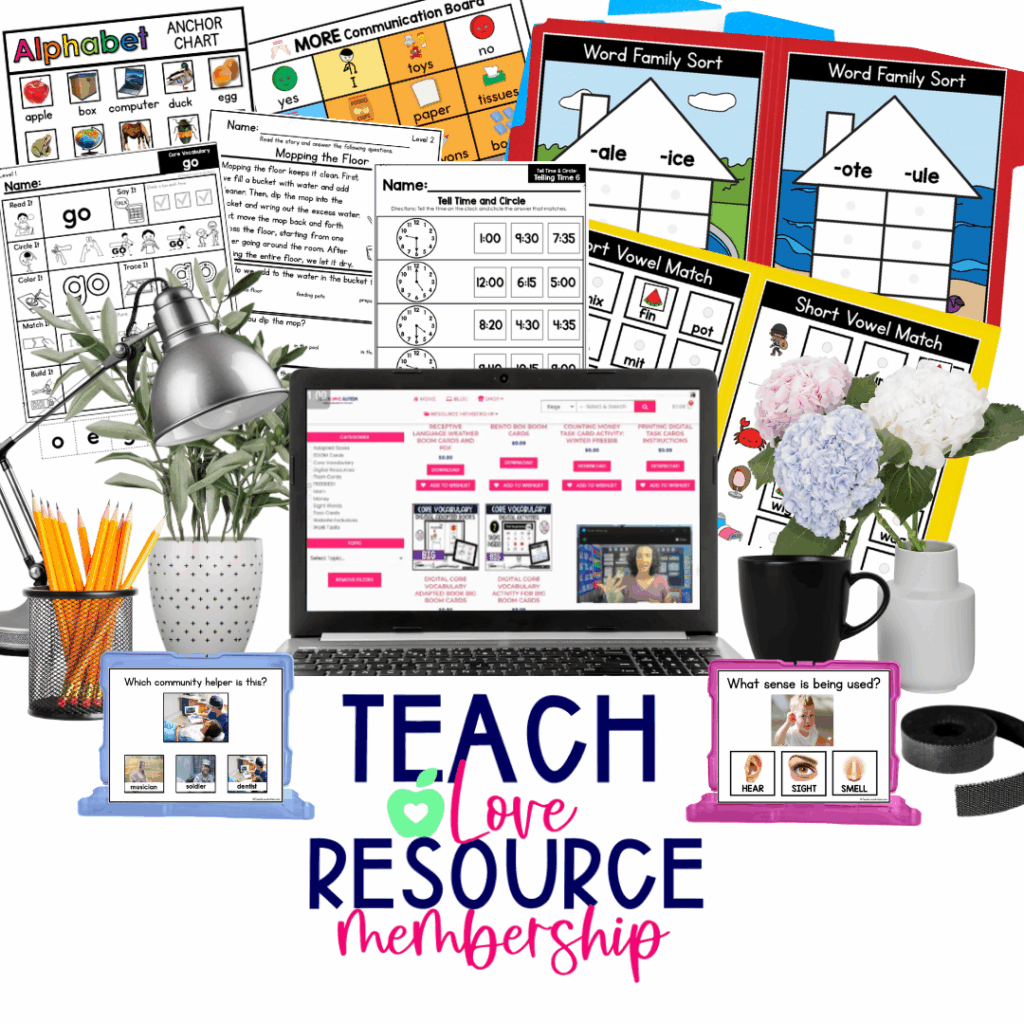
If you still feel like you could use some more support, don’t worry, I’ve got you. Check out the Teach Love Resource Membership to see what else you could be doing to ensure your instruction is on point.