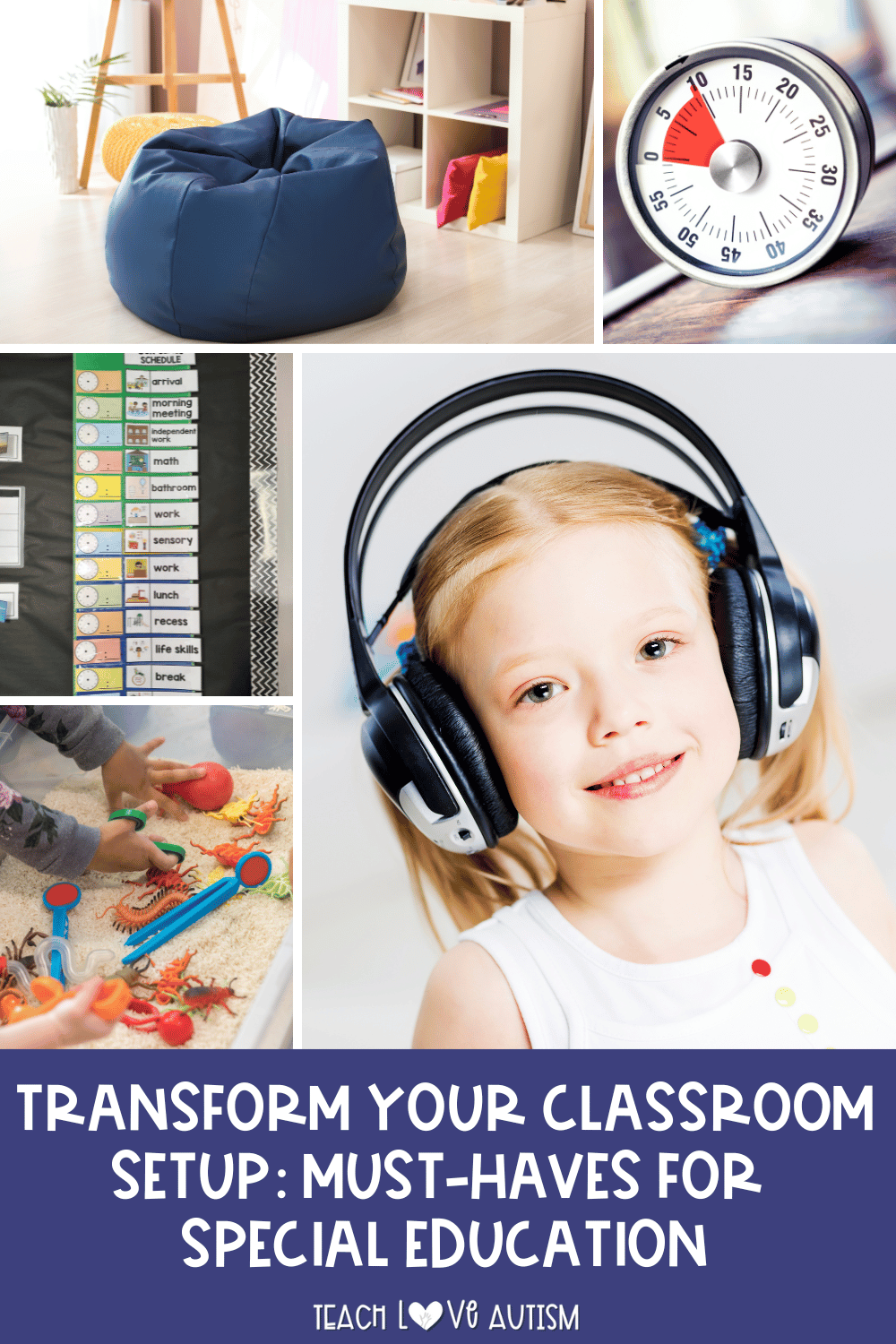

As a special education teacher, I know just how crucial classroom setup is for supporting the unique needs of our students. A well-organized and thoughtfully equipped classroom can really make a difference. It enhances engagement, fosters independence, and promotes a positive learning experience. I’m excited to share some must-have items for setting up a special education classroom. I’ll also provide ideas on how each item can be effectively utilized. From organization tools to sensory materials, these resources will help you create a nurturing space that meets the diverse needs of your students.

Classroom Setup Plays an Important Role in Special Education

When it comes to setting up a special education classroom, intentionality is everything. I can’t stress enough how crucial it is to create an environment that meets our students’ unique needs while also fostering their growth and independence. Every item, every layout choice, and every little detail should be thoughtfully considered.
A well-organized classroom helps reduce distractions and provides clear structure. This is incredibly important for our students who thrive on routine and predictability. By carefully selecting sensory materials, we can cater to different sensory needs, ensuring that each student feels comfortable and supported.
Intentional classroom setup promotes independence. By creating clearly defined areas and using visual supports, our students can navigate their environment with confidence. This setup encourages them to take ownership of their learning and daily activities, which is a huge win in their developmental journey.
An intentionally designed classroom is the foundation of a positive learning experience. It’s about creating a space where every student feels safe, understood, and empowered to learn. As special education teachers, that’s exactly what we strive for every day.
Visual Supports for Classroom Setup
Now that we’ve talked about the importance of an intentional classroom setup, let’s dive into some specific resources that can make an impact on our space. From visual schedules to sensory tools, these must-haves are essential for creating a supportive and engaging learning environment. They help our students understand their daily routines, manage transitions more smoothly, and create a sense of independence. Let’s explore how we can effectively incorporate visual supports into our classroom setup!
 Visual Schedule Board


One resource I absolutely love using in my classroom is a visual schedule board. Incorporating a visual schedule into the classroom setup is a simple yet powerful way to enhance learning and strengthen independence. I use visual schedules in a few different ways in my room.
One way I use visual schedules is to display our daily schedule. I use picture icons and Velcro attachments to create a clear, visual representation of the day’s activities. This not only helps my students understand what to expect throughout the day, but it also makes transitions smoother and less stressful. Seeing what’s coming next gives them a sense of security and predictability.
The schedule board is also a fantastic tool for teaching time management. By following the visual prompts, my students learn to manage their daily routines independently. It’s incredible to watch them gain confidence and take ownership of their time. They move from one activity to the next with a sense of purpose and control, which is so empowering for them.
Looking for some other schedule materials that can help with classroom setup? Check these out!
-
 Classroom Visual Schedule and Station Cards for Special Education$5.00
 -
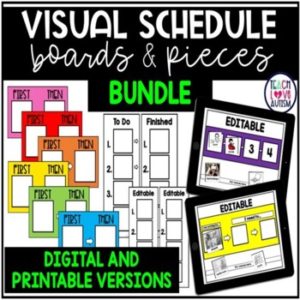
Product on saleEditable Visual Schedule Boards and Pieces for Autism or Special Education BundleOriginal price was: $15.00.$13.25Current price is: $13.25.
-
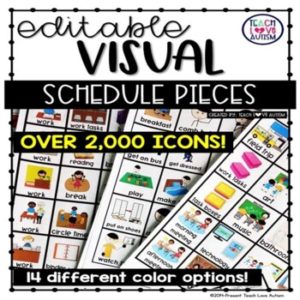
Editable Schedule Visuals for Autism or Special Education$7.00
-
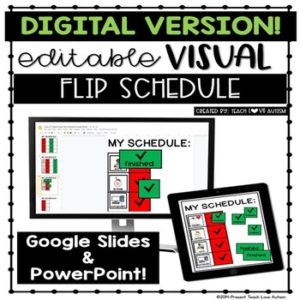
Digital and Editable Visual Schedule for Autism or Special Education Google Slides and PowerPoint$5.00
-
Editable Visual Schedule for Special Education & Autism | Daily Routine Schedule (Printable and Digital Version)$13.95

Classroom Timer

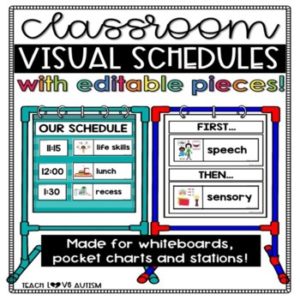
Another essential tool for classroom setup in special education is the classroom timer. Bringing a classroom timer into our setup is an easy way to support time management and social skills. It’s another must-have resource that makes a big difference in creating a structured and supportive learning environment. Here’s how I use it to enhance my students’ learning experience!
I use the classroom timer to set clear time limits for activities or transitions. This provides visual cues for my students, helping them manage their time more effectively. Knowing how much time they have left for a task or when it’s time to move on to the next activity makes the day flow more smoothly and reduces anxiety.
The timer is also a fantastic tool for promoting turn-taking during group activities or when sharing materials. By setting designated time frames, our students learn to respect and follow these limits. Doing so creates a sense of fairness and helps them develop patience and cooperation skills.
Individual Visual and Tactile Timers

Individual visual and tactile timers are another helpful resource in my special education classroom setup. They help students with time management skills and allow them to work individually within the time constraints of our schedule. These tools help our students feel more in control of their time, making the classroom experience more organized and less stressful.
I utilize visual and tactile timers to provide clear, time-limited expectations during transitions or specific tasks. These timers are excellent for promoting time management and reducing anxiety. They give students a visual cue for how much time they have left which helps them stay focused and aware of the schedule.
I also use timers during academic tasks or structured breaks. This allows students to understand and monitor the duration of their activities. Knowing exactly how long they have for a task or break helps them manage their time better and transition more smoothly between activities.
Visual Behavior Supports
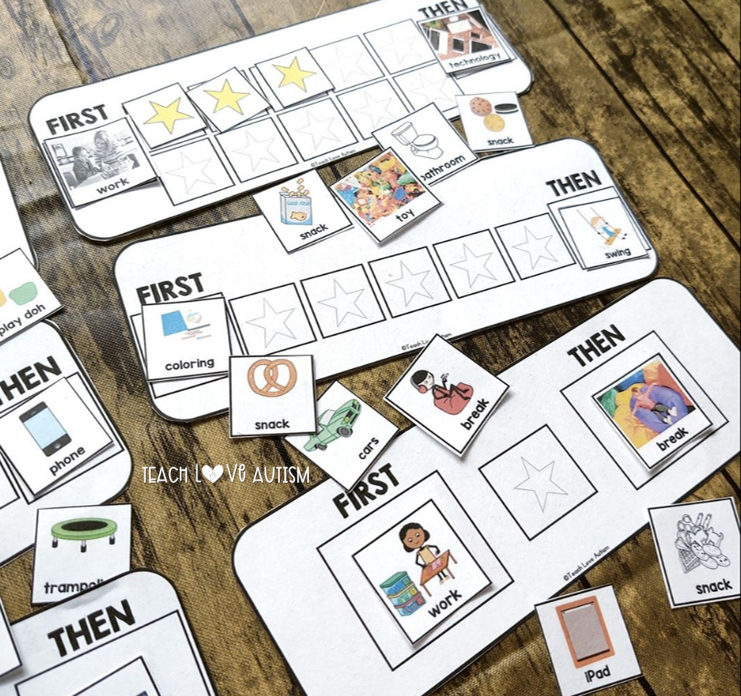
Visual behavior supports are another resource I rely on in my classroom setup. They are a great way to encourage and maintain positive behavior. It’s a simple tool that has a big impact on creating a positive and supportive learning environment. Below are a few ways I make the most of behavior charts.
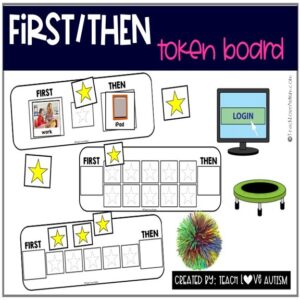
I use the behavior chart to visually track and reinforce positive behaviors. This allows our students to monitor their progress and take pride in their achievements. It’s amazing to see how motivated they become when they can see their success right in front of them.
I also break down desired behaviors into manageable steps. So, I use the chart as a visual reminder and prompt for students to follow expectations throughout the day. This makes it easier for them to understand what’s expected and to stay on track. It also provides a clear and consistent way to reinforce good behavior.
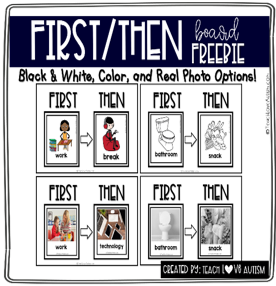
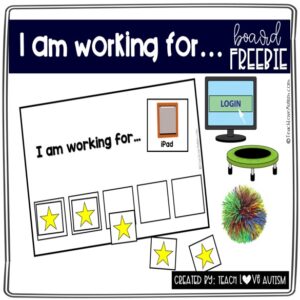
Check out these free resources I created that you can use with your students!
Sensory Tools for Classroom Setup
Flexible Seating Options
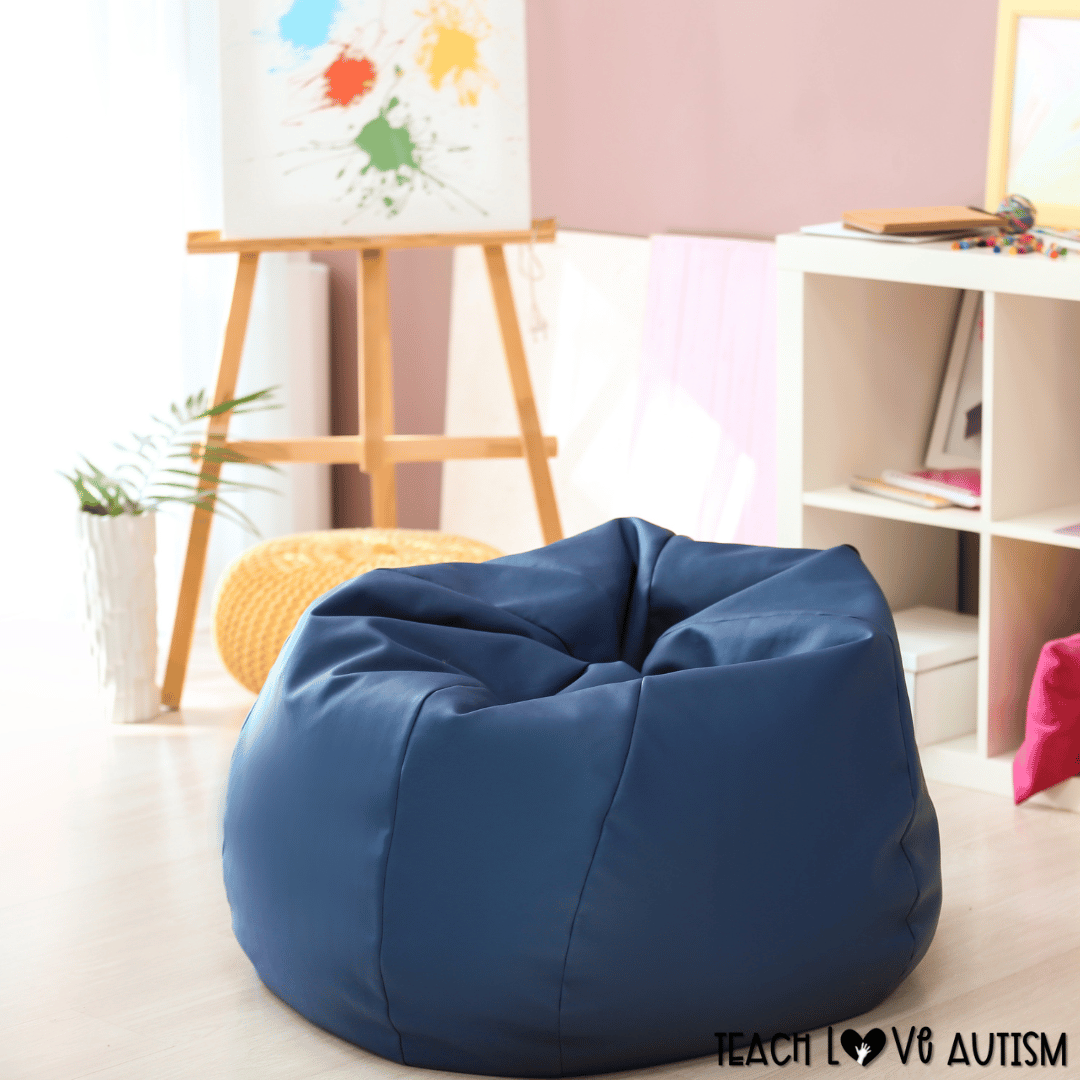
Incorporating flexible seating options is another game-changer in my special education classroom setup. Here’s how I use them to create a more engaging and supportive environment.
I love incorporating wobble cushions or balance chairs into our seating arrangements. These tools provide sensory input and help improve focus during independent work or circle time. They allow our students to move slightly while seated, which can be incredibly beneficial for those who need a little extra movement to stay attentive and calm.
Creating cozy reading corners is another favorite strategy of mine. I use bean bag chairs or floor cushions to offer students comfortable seating options. These soft, inviting spaces promote relaxation and make it easier for students to engage with literature. Whether they’re diving into a book or listening to a story, these cozy spots help create a positive association with reading.
By using flexible seating, we can cater to our students’ diverse sensory needs. We can also create a more dynamic and supportive learning environment. These seating choices not only improve focus and comfort but also make the classroom a more inviting place for everyone.
Noise-Canceling Headphones
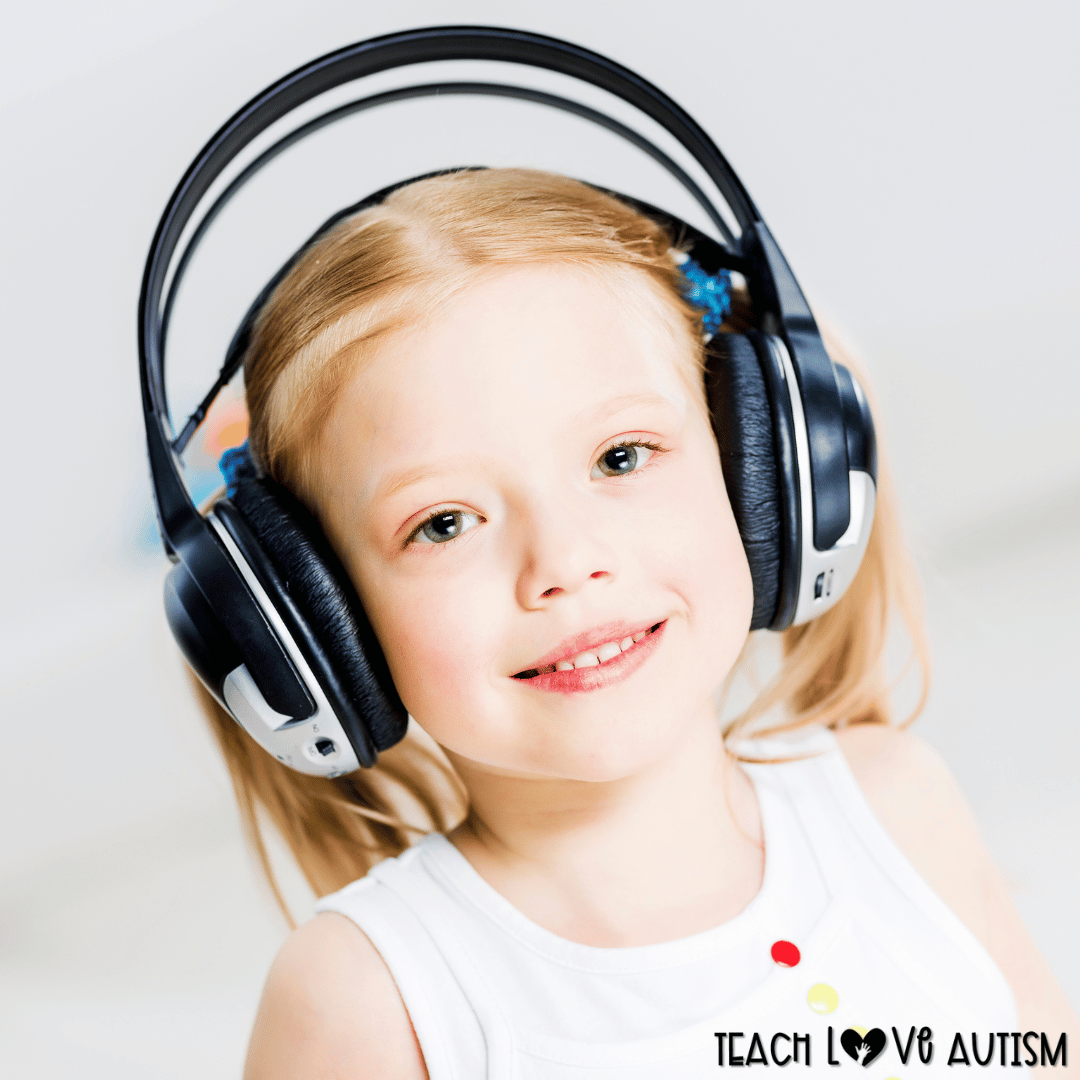
Another essential addition to my special education classroom setup is the use of noise-canceling headphones. These headphones are a simple yet powerful tool that helps our students manage sensory challenges and thrive in learning activities.
I provide noise-canceling headphones to students who are easily distracted by auditory stimuli. This allows them to focus on their tasks in a quiet environment, free from distracting background noise. It’s incredible how much their concentration improves when they have a tool that helps them manage sensory input.
I also incorporate the use of headphones during independent work or during high-stimulus activities. The headphones provide a calming effect and help reduce sensory overload. This is particularly helpful during times when the classroom can get noisy or during assemblies. These ensure that our students who are sensitive to sound have a way to stay calm and focused.
Sensory Bins and Manipulatives

This next resource is one I love and is very popular among my students! Sensory bins are a must have in my classroom. Sensory bins are a great way to provide diverse and engaging experiences for our students. They support sensory development but also make learning more hands-on and enjoyable.
I set up sensory bins with materials like rice, beans, or sand, along with various manipulatives. These bins engage students in sensory exploration. They also provide valuable tactile experiences. It’s amazing to see how much they enjoy digging in and discovering new textures and objects.
I integrate sensory materials into various learning activities to enhance engagement, improve fine motor skills, and support sensory integration. Whether we’re working on counting with small objects in the rice or practicing letter recognition with sand, these sensory activities make learning more interactive and fun.
Looking for more ways to set up sensory areas in your classroom? I’ve gathered all of my sensory related blog posts in one place. If this is something you want to include in your classroom setup then make sure to check out this collection of posts.
Visuals that Enhance Communication
Visual Communication Tools
Visual supports are another element in my special education classroom setup. These resources empower our students to understand, participate, and express themselves, making the classroom a more supportive and engaging place for them. Below is how I use them to enhance student understanding and communication.
To support non-verbal students, I implement Augmentative and Alternative Communication (AAC) tools like the Picture Exchange Communication System (PECS). These tools are invaluable for helping our students express their needs and wants effectively. By using PECS, our students can communicate more independently. This builds up their confidence and participation in classroom activities.
Looking for more options for choice boards and increasing communication in your classroom? Check out these items!
-
Product on saleCore Vocabulary Adapted Books and Worksheets BUNDLEOriginal price was: $99.00.$79.20Current price is: $79.20.
-
Break Time Choice Board Freebie$0.00
-
Core Vocabulary Communication Board for Speech Therapy and AAC Devices$0.00
More Classroom Setup Must Haves
Still looking for more ideas on must-have items for your classroom setup? I’ve got you covered! Check out my other blog posts for even more essential items that I always make sure to include in my classroom. There’s always something new to discover to make our classrooms even better!
Let Your Classroom Setup Bring You and Your Students Success
Equipping our special education classrooms with these must-have items can truly create an inclusive and supportive learning environment for our students with diverse needs. From visual supports to sensory tools, each resource plays a significant role in promoting engagement, independence, and effective communication. By incorporating these items, we empower our students to thrive academically, emotionally, and socially. As special education teachers, let’s embrace these valuable tools and create a nurturing space where every student can reach their full potential.
Join the Community!
As always, if you’re looking for more teaching ideas, tips, and weekly support, you will want to join my email list! Every week, I pop into your inbox with new blog posts, fresh ideas, and so much more! Enter your info to make sure you don’t miss a thing.
Save these Classroom Setup Tips and Ideas
Remember to save this post to your favorite Special Education Pinterest board to gather these items for your classroom setup!