As our students with disabilities prepare for life beyond the classroom, they need more than academic and technical skills to thrive. Reading, writing, math, and job-specific training absolutely matter. The work readiness skills that often determine long-term success are the ones that are harder to measure on a worksheet. Knowing how to ask for help, adapt to change, solve everyday problems, and work with others is what helps our students move from simply completing tasks to truly functioning independently in the real world.
For many of our students, these skills need to be taught just as intentionally as academics. The good news is that teaching work readiness skills does not need to become another subject in your already packed schedule. When woven into routines you already have in place, they become natural, meaningful learning opportunities that prepare our students for life far beyond school walls.
What Are Work Readiness Skills?
Work readiness skills are personal traits and interpersonal abilities that shape how someone interacts with others and manages daily situations. Unlike hard skills, which are task-specific and measurable, work readiness skills focus on how our students communicate, problem-solve, respond to challenges, and advocate for themselves. These are the skills that help them succeed in workplaces, community settings, and everyday relationships.
For our students with disabilities, work readiness skills can make the difference between knowing how to complete a task and being able to function successfully when things do not go as planned. A student may know how to stock shelves, for example, but if they cannot ask a supervisor for clarification or adjust when routines change, that job becomes much harder to maintain. That is why work readiness skills deserve intentional attention in every classroom serving transition-age learners.
Key Work Readiness Skills Students Need for Success
1. Communication
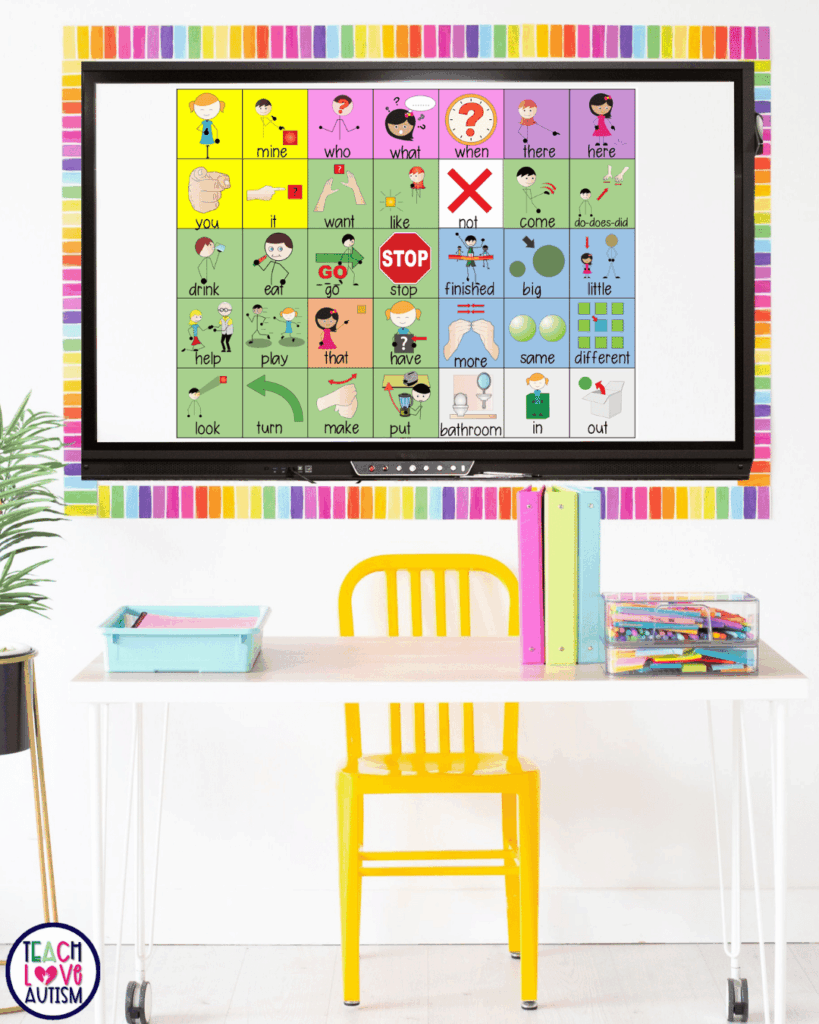
Communication is one of the most essential work readiness skills because it touches every area of life. Our students need practice expressing needs, asking questions, clarifying confusion, and responding appropriately in conversations. In your classroom, this can look like building communication opportunities into everyday moments instead of only during direct instruction. That might mean pausing before handing your student a missing material and prompting them to ask, “Can I have help finding my folder?” rather than solving it for them immediately.
Check out my free Communication board to help your students communicate effectively!
2. Problem-Solving
Problem-solving is another critical work readiness skill because adult life is full of unexpected situations. Our students need repeated practice learning that being stuck is not failure. It is simply the moment before finding the next step. One simple way to teach this is by narrating small classroom problems aloud. If a pencil breaks during independent work, model calm thinking, such as, “My pencil broke. What are my choices? I can sharpen it or get another one.” These small modeled moments build the foundation for bigger, independent problem-solving later.

3. Teamwork and Collaboration
Teamwork is a work readiness skill our students will use in almost every future job setting. Whether they are stocking shelves, working in food service, or participating in supported employment, they will need to cooperate with others, take turns, and complete shared responsibilities. This can be practiced during partner work, shared classroom jobs, or cooperative projects with clearly assigned roles. Assigning simple roles like materials manager, recorder, or timekeeper helps your students understand exactly how to contribute and reduces confusion during group activities.
4. Adaptability and Flexibility
Adaptability helps our students manage change when routines shift or unexpected situations arise. This can be especially difficult for our students with disabilities who rely on predictability and structure. In real workplaces, schedule changes, substitute supervisors, or altered assignments happen often. Our students need guided practice learning how to recover when plans change. We do so much work to ensure routines are consistent, but there are times like this where it’s actually helpful for our students to change the routine. A helpful strategy is to intentionally introduce small routine changes and coach your students through them with supportive language such as, “Today our schedule changed, so let’s look at what comes next.”
5. Time Management
Time management is the ability to begin tasks promptly, follow schedules, transition smoothly, and complete work within expected timeframes. Many of our students struggle with this because it depends heavily on executive functioning skills. Take time to teach time management through consistent routines using timers, visual schedules, checklists, and first-then boards. One easy starting point is adding a visual timer during independent work so your students can see how much time remains instead of relying only on verbal reminders.
6. Self-Advocacy
Self-advocacy is one of the most empowering work readiness skills our students can develop because it teaches them to recognize and communicate what they need. This includes asking for help, requesting accommodations, explaining confusion, or speaking up when something feels wrong. We may begin teaching them simple scripts like, “Can you repeat that?” or “I need a break.” When we normalize these requests as responsible behavior, our students begin to understand that advocating for themselves is a strength that will support them long after graduation.
Using adapted books, such as my Help Adapted Book, can help your students learn about the vocabulary word and see examples of it in action!
How to Teach Work Readiness Skills Without Adding Another Subject
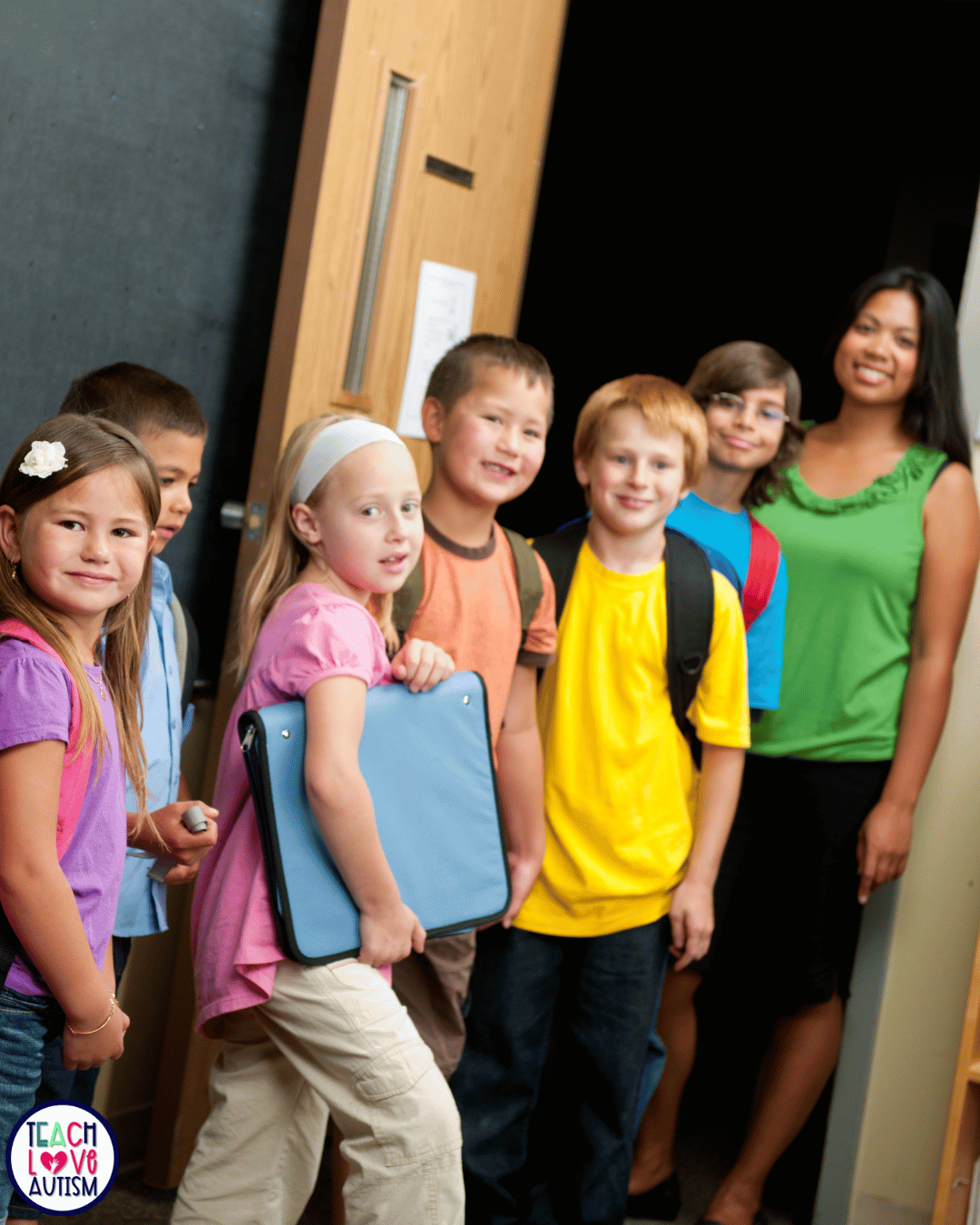
The easiest way to teach work readiness skills is to mix them into routines you already use every day. Morning arrival, group work, transitions, lunch preparation, vocational practice, and classroom jobs all create natural opportunities for practice. Instead of creating separate lessons from scratch, identify where work readiness skills are already happening and make them more intentional. For example, if your students complete classroom jobs after attendance, use that time to explicitly teach teamwork language such as “Can I help you?” or “It is your turn next.”
Role-play is one of the most effective teaching tools for work readiness skills because it gives your students safe, structured practice before real-life situations happen. In the beginning, you’ll want to begin with highly predictable scripts. Choose one scenario or social narrative, such as asking for help when confused, and model it first with another adult or student. Then, let your students practice the exact same script before gradually changing details. Keeping early role-play sessions short, predictable, and repetitive helps your students feel successful instead of overwhelmed.
Real-life simulations also help work readiness skills stick because they mirror future environments. Mock job interviews, greeting visitors, asking for clarification from unfamiliar adults, and handling schedule changes are all impactful practice opportunities. I recommend pre-teaching expectations before simulations begin. Tell your students exactly what will happen, what language they can use, and what success looks like. When your students know what to expect, they are more likely to participate confidently.
Helping These Skills Become Daily Independent Habits

Once your students begin learning work readiness skills, consistent daily supports help those behaviors become more independent and automatic. Visual schedules, timers, checklists, and structured reflection questions all support our students in practicing independence without relying entirely on adult prompts. Instead of verbally reminding your student three times to begin work, teach them to check a “Start Work” visual checklist posted on their desk. This small shift moves responsibility from adult prompting to student ownership.
Reflection is another powerful yet often overlooked tool for building work readiness skills. After group activities or work tasks, spend just a few minutes helping your students think about their performance. Questions like “What went well?” or “What could you try differently next time?” teach your students to evaluate their own behavior and choices. If your students are not ready for open-ended reflection, start with sentence stems or visual choice cards to make the process more accessible.
Self-advocacy should also become part of the everyday language in your classroom. We want to normalize our students asking for breaks, requesting clarification, or communicating accommodations in respectful ways. When we respond positively to these requests, our students learn that speaking up is responsible and appropriate. That mindset carries directly into adulthood.
Help Your Students Build Work Readiness Skills for Life
Work readiness skills are not extras. They are life skills that help our students maintain jobs, navigate relationships, and live more independently after graduation. When we intentionally teach these skills through our daily routines, we give our students tools they will use for years to come.
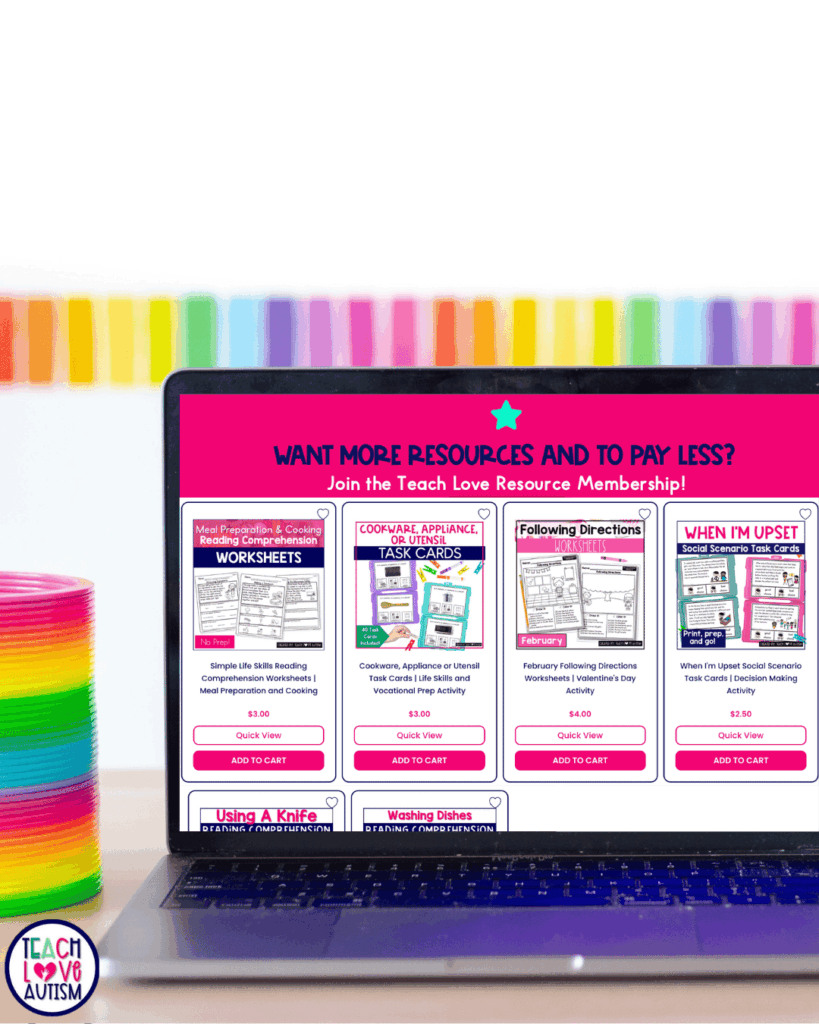
Browse my life skills resources to find ready-to-use activities that make teaching independence easier. These resources are designed to help you bring meaningful skill-building into your classroom right away, so your students can practice the same real-world skills they will need beyond school. If you are looking for independent work tasks, explore my Independent Work Tasks Starter Kit to help you plan, organize, and implement the system in your classroom!
Building Work Readiness Skills That Last
Preparing our students for adulthood means looking beyond academics alone. Our students who thrive after leaving school are often the ones who know how to adapt, communicate, solve problems, and advocate for themselves when support is not immediately available. Strong work readiness skills create confidence and independence in everyday life.
Save for Later
Remember to save this post to your favorite special education Pinterest board so you can come back to these work readiness skills strategies whenever you need fresh ideas for helping your students build independence for life beyond the classroom.