
There are so many moments in special education when we assume a task should be simple for our students, only to watch frustration build almost immediately. I remember thinking that something like washing hands, unpacking a backpack, or cleaning up after a lesson would become automatic with enough reminders. Instead, I found myself repeating the same directions over and over while my students still struggled to complete the routine independently. That was when I truly began to understand the power of task analysis in special education. Once I began breaking routines into smaller, teachable steps, everything started to feel more manageable for both my students and me.
What Is Task Analysis in Special Education?
Task analysis in special education helps our students learn routines and life skills in a clear, structured, and achievable way. Instead of teaching an entire task all at once, we teach each step individually until our students can successfully complete the full routine independently. For many of our students, that structure can make a huge difference in reducing overwhelm, building confidence, and increasing independence throughout the school day.
In simple terms, task analysis creates a step-by-step roadmap for completing a task. Many of our students benefit from seeing exactly what comes first, next, and last. That predictability helps routines feel safer and easier to understand.
I think this is one reason task analysis is so effective in special education classrooms. So many daily routines that feel automatic to us adults actually contain dozens of smaller hidden skills. When we slow down and teach those hidden steps directly, we often see frustration decrease and independence increase.
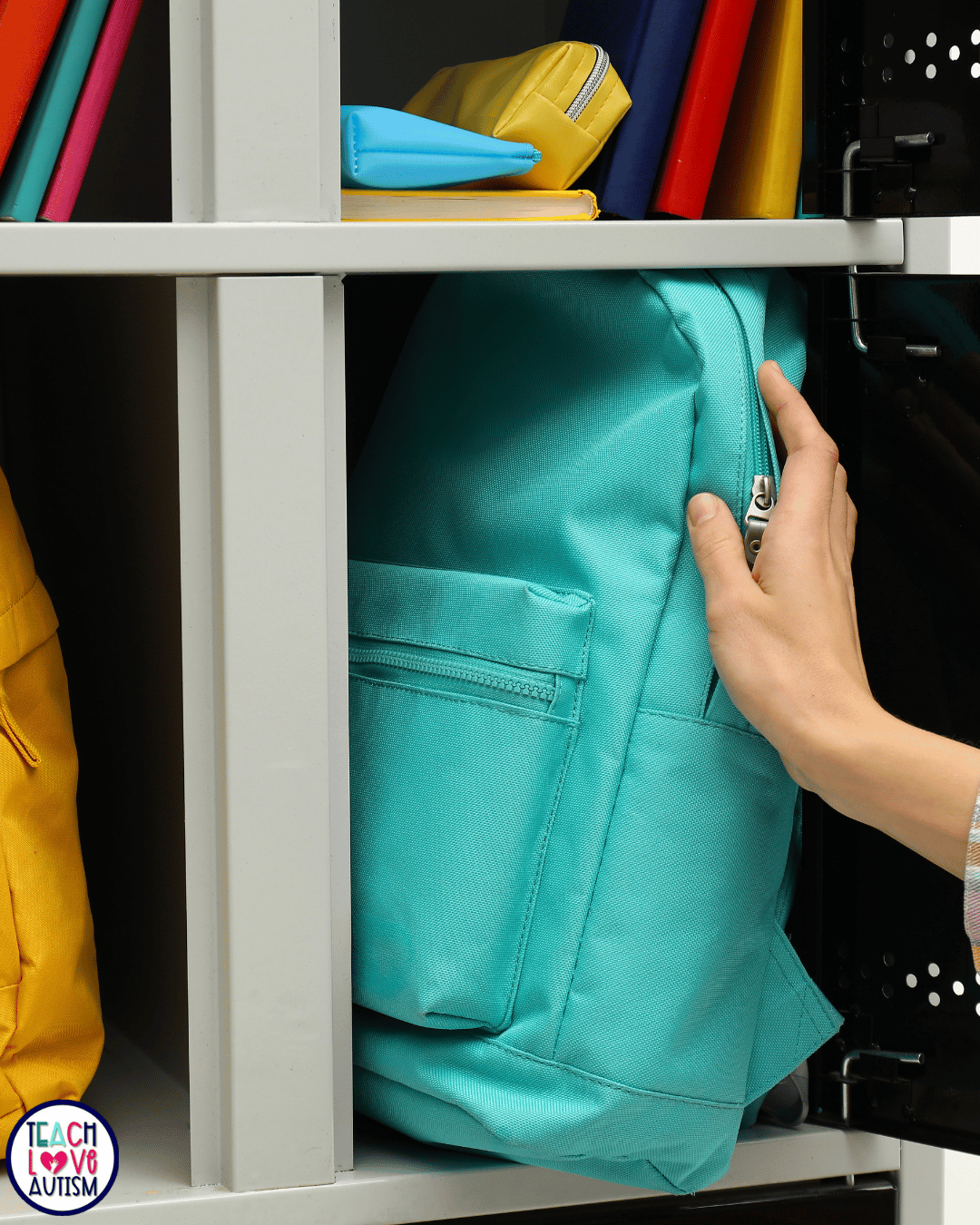
For example, “put your backpack away” may sound like one simple direction. In reality, that routine could involve walking to a cubby, opening the backpack, taking out folders, putting lunchboxes away, hanging the backpack up, and turning in homework. Some of our students need each of those steps taught separately before the entire routine feels successful.
What Can You Teach With Task Analysis in Special Education?
One of my favorite things about task analysis in special education is its flexibility. You can use it for academic routines, classroom procedures, daily living skills, vocational tasks, and community-based instruction.
Some common examples include:
- getting dressed
- brushing teeth
- washing hands
- unpacking a backpack
- completing morning work
- cleaning up centers
- buying lunch
- transitioning between classes
- following a visual schedule
- stocking shelves
- packing a work bag
Once you start thinking through your classroom routines, you will probably realize how many opportunities there are to use task analysis throughout the day.
I also think it helps us to remember that task analysis is not only for major life skills. Small classroom routines matter too. When our students can independently complete routines like turning in homework, organizing materials, or cleaning up after activities, the entire classroom tends to run more smoothly.
Example of Task Analysis in Special Education
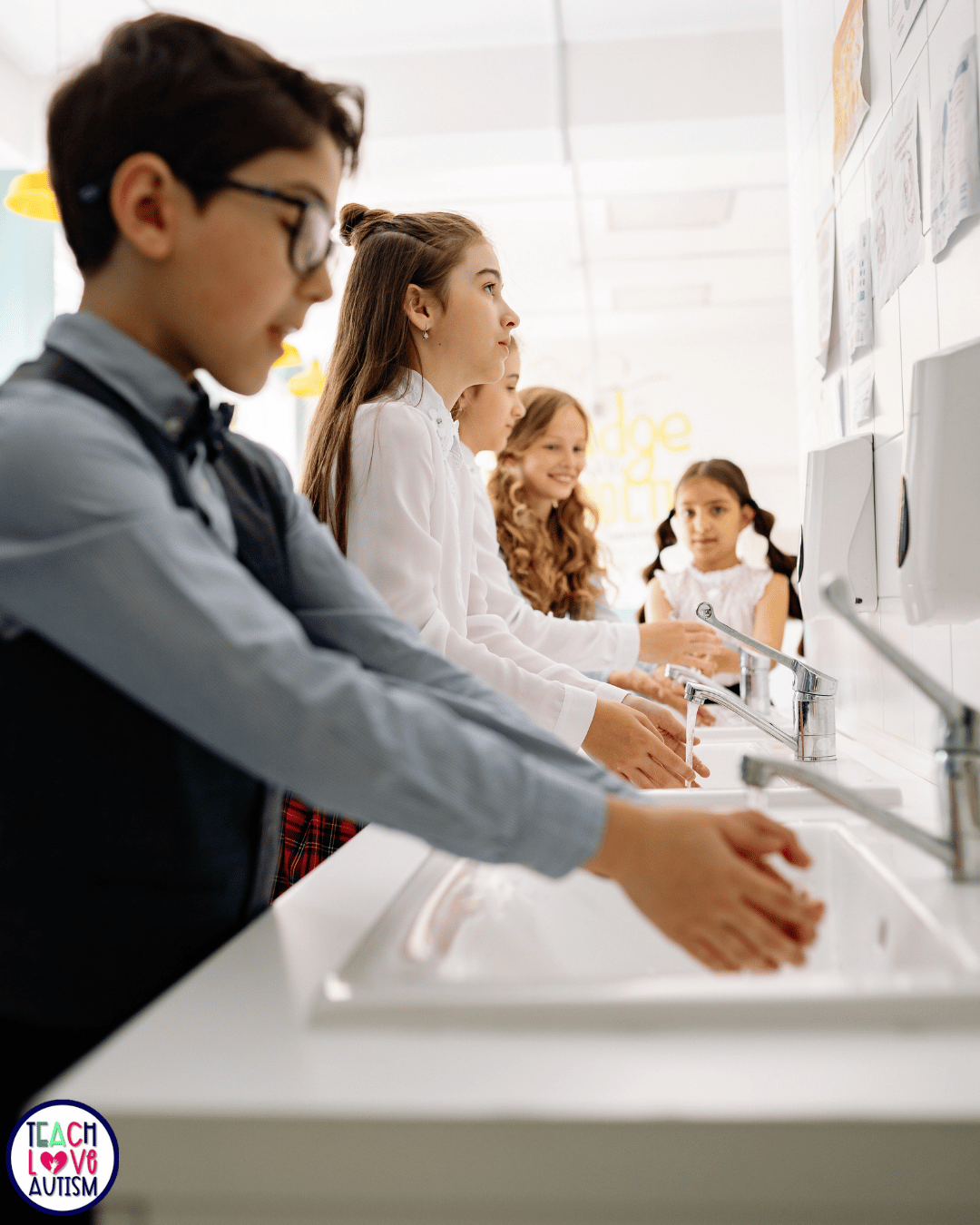
One of the easiest ways to understand task analysis in special education is to look at a familiar routine, such as handwashing. If I am teaching my student to wash their hands independently, I might break the task down into steps like this:
- Turn on the water
- Wet hands
- Put soap on your hands
- Scrub hands together
- Rinse hands
- Dry hands
- Turn off the water
At first glance, that may seem like a very simple routine. However, many of our students benefit from direct instruction for each individual step. Some of our students may need visual reminders posted near the sink. Others may need physical prompts, modeling, or repeated guided practice before the sequence becomes automatic.
One thing I learned quickly was not to rush the process. Your student may independently complete four out of seven steps, but still needs support with the others. That is still progress. Task analysis allows us to celebrate those smaller wins while continuing to build independence over time.
Step-by-Step Guidelines for Creating a Task Analysis
When I first started using task analysis in special education, I sometimes overcomplicated it. Over time, I realized the best systems were usually the simplest and most consistent ones. Here is the process I typically follow when creating a new task analysis for my students.
Step 1: Choose the Target Task
Start by identifying the specific routine or skill you want your student to complete more independently.
It helps to be very specific here. Instead of writing “morning routine,” think about exactly what part of the morning routine is challenging. Maybe your student struggles with unpacking materials or starting morning work independently. Narrowing the focus makes the task analysis easier to create and teach.
I also like to choose routines that happen frequently throughout the day because those naturally provide more practice opportunities.
Step 2: Write Out Every Step
This is where task analysis in special education becomes incredibly important. Break the task into the smallest possible parts. As teachers, we often skip steps in our minds because routines feel automatic to us. Our students may not naturally understand those hidden parts of the sequence.
For example, if a student is learning to put on a coat, you may need to include steps like:
- Pick up your coat
- Find the tag
- Turn the coat around
- Put one arm in
- Put the other arm in
- Pull the coat up
- Zip up the coat
The more clearly the steps are defined, the easier it becomes to teach the routine consistently.
Step 3: Gather Materials and Supports
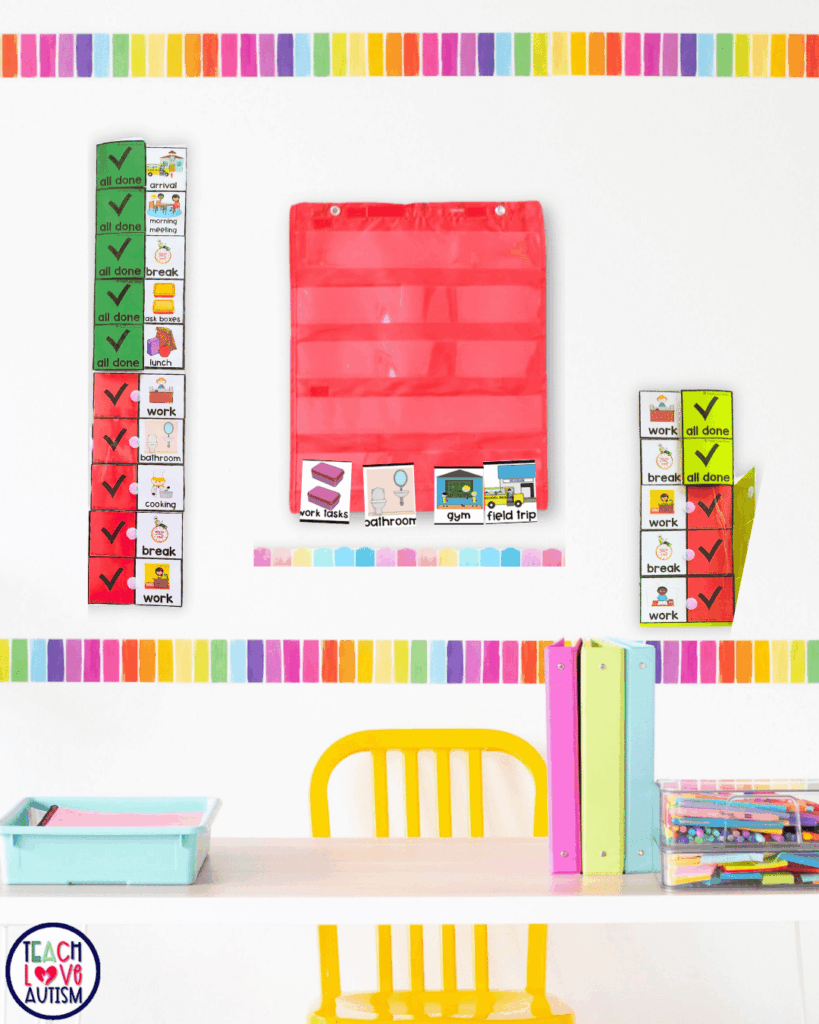
Next, think about what supports your student may need for success.
Some of your students will benefit from visual schedules with pictures. Others may need checklists, timers, adapted materials, verbal prompts, or hand-over-hand support. I have also used real photographs of classroom routines because many of my students responded well to seeing their actual materials and environment.
This is also a good time to think about where the task analysis will live. Will visuals be attached near the sink? On a student’s desk? Inside a locker? Keeping supports close to the routine itself usually helps your students become more independent faster.
Step 4: Model the Steps Clearly
Before expecting independence, I always model the routine several times. During modeling, I use consistent language and complete the steps in the same order every time. That consistency helps our students know exactly what to expect. Many of our students learn best when routines feel predictable and repetitive.
I also try not to overload my students with too much language during instruction. Short, clear directions are often much more effective than lengthy explanations. For example, instead of saying, “Okay, now we need to remember to rinse all the soap off your hands before drying them,” I might simply say, “Rinse hands.”
Step 5: Let Your Students Practice Repeatedly

Practice is one of the biggest parts of successful task analysis in special education. Many of our students need repeated opportunities before a routine becomes automatic. That repetition is not a sign that instruction is failing. Repetition is often exactly what helps our students build confidence and independence.
I also found it helpful to practice routines during calm parts of the day before expecting your students to complete them during busier moments. For example, practicing lining up during a quiet transition often works better than introducing the routine right before dismissal chaos.
Small amounts of practice consistently tend to work better than trying to teach an entire routine all at once.
Be Open to Adjusting the Task Analysis When Needed
Sometimes I might have a student get “stuck” on a step. That usually tells me I need to adjust the task analysis rather than assume my student is refusing. There may be a missing step I overlooked. My student may need a visual added. The routine itself may need to be simplified temporarily.
This is something I wish I had understood earlier in my teaching career. If a student struggles repeatedly, it does not automatically mean the student is incapable. Often, it means the support system needs adjusting. If this is the case, restructure the routine as needed, add the necessary additional visuals and language, and begin by modeling the new routine.
Even if you are adding only one new step, it is important to teach the task analysis as if it were the first time. Use the same clear language, model the steps clearly, and then let your students practice the new routine often.
Do Your Students Need to Master Each Step Before Moving On?
In many cases, yes. When using task analysis in special education, our students often work on mastering one step before independently completing the next step in the sequence.
Using the handwashing example, your student may first focus only on turning on the water independently. Once that step becomes consistent, instruction can shift toward the next step. Some of your students may move quickly through routines while others need additional repetition, prompting, or reinforcement. That is completely normal. The goal is not speed. The goal is independence and confidence over time.
I also think it is important for us to remember that progress may not always look perfectly linear. Some days, your students may complete more steps independently than on other days. That does not erase the growth they are making.
Why Consistency Matters So Much With Task Analysis in Special Education
One of the biggest lessons I have learned about task analysis in special education is that consistency truly matters. When multiple adults support the same student, everyone should ideally teach the routine using:
- the same steps
- the same language
- the same visuals
- the same prompting approach
That consistency helps reduce confusion and allows your students to build confidence more quickly.
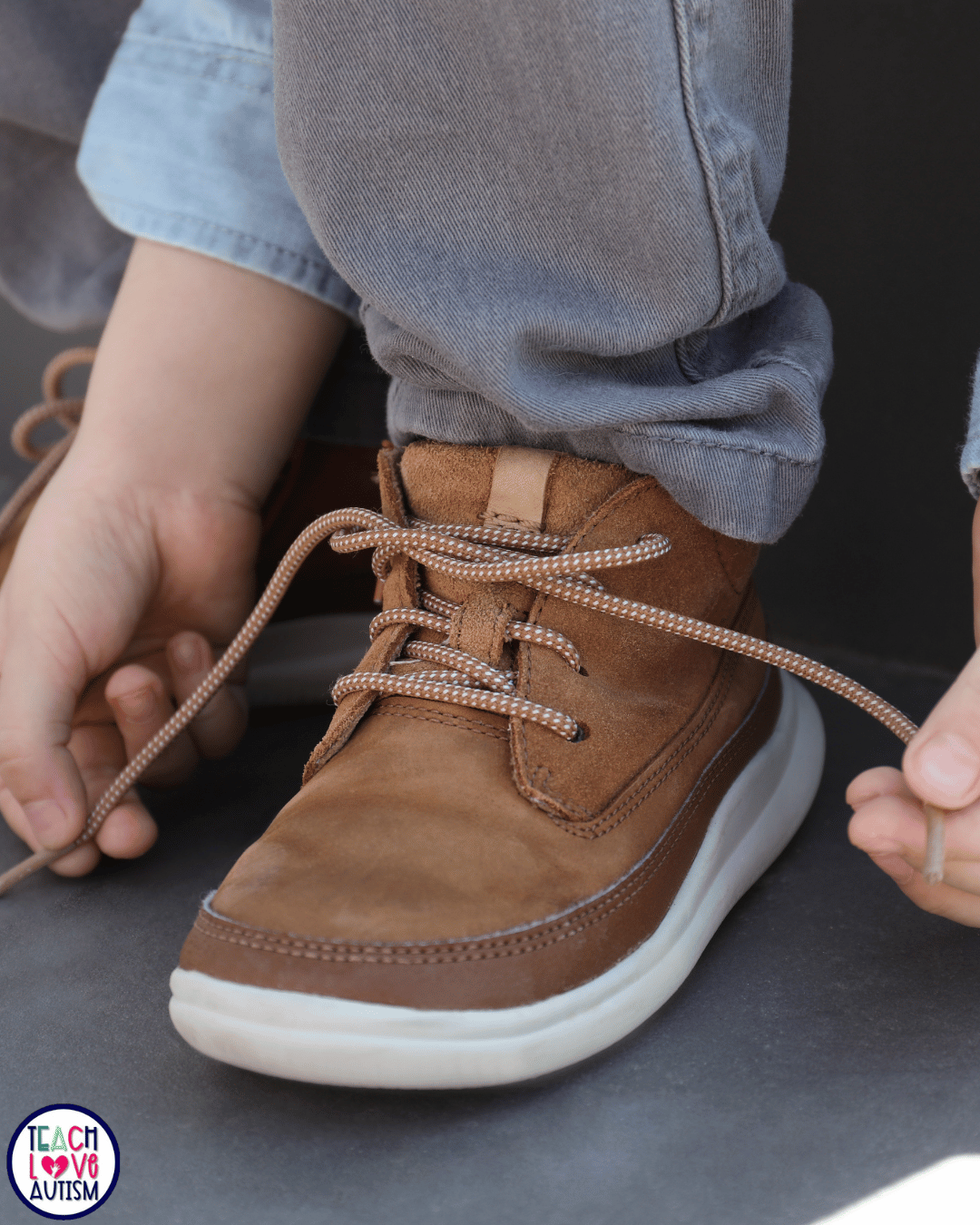
For example, if school staff teaches one shoe-tying method while family members teach a completely different method at home, your students may struggle to remember the sequence. The routine becomes harder because the expectations keep changing.
I found that sharing visuals and routines with paraprofessionals, therapists, and families made a huge difference. Once everyone was using the same approach, our students often became more successful and independent much faster.
Task Analysis Supports That Make Daily Routines Easier
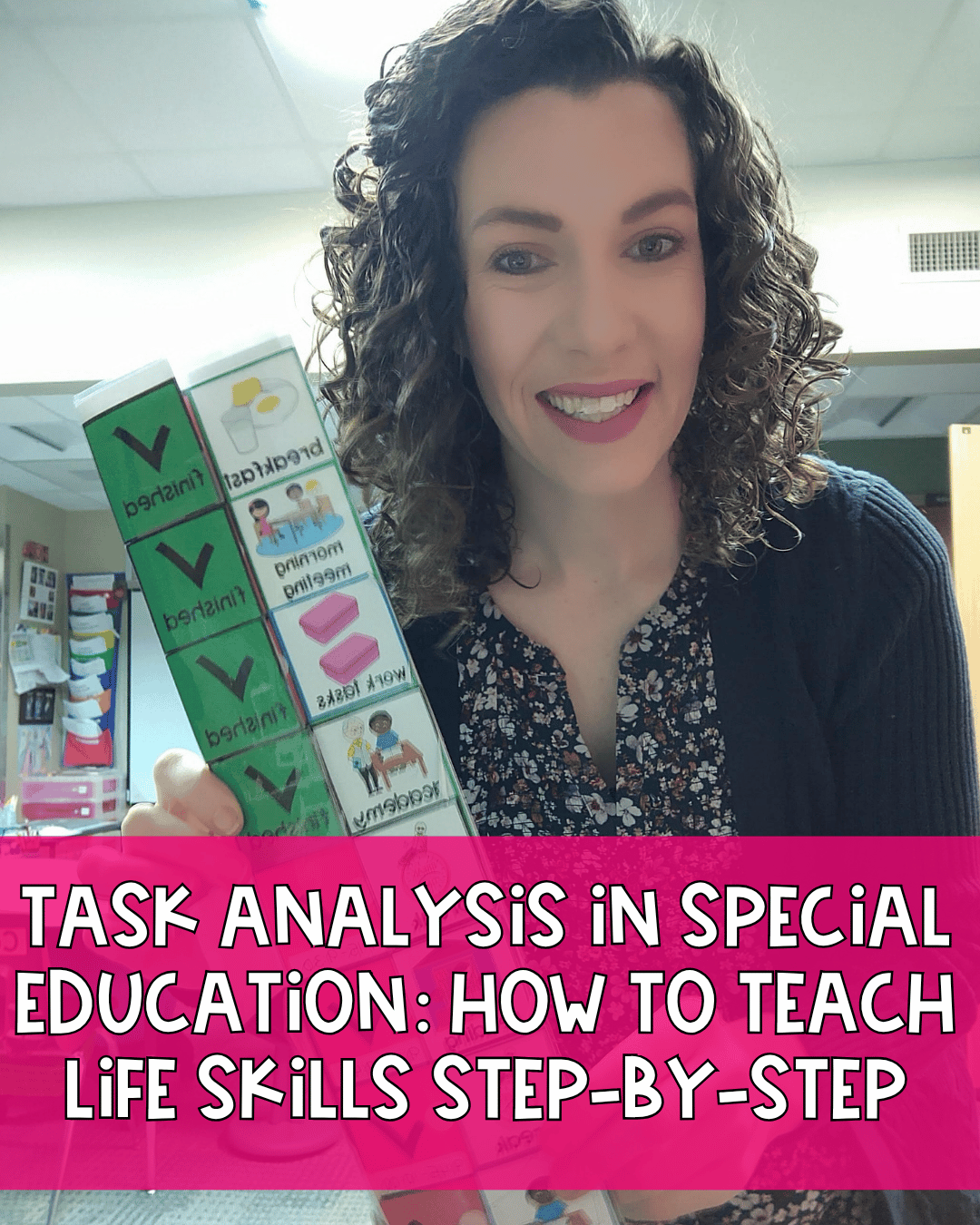
One thing that helped me tremendously when implementing task analysis in special education was having visual supports that actually stayed organized and were easy for my students to use independently. Visual schedules can make such a big difference for our students who benefit from seeing each step of a routine clearly laid out in front of them.
If you are looking for a simple way to support task analysis, transitions, and daily routines, my Editable Visual Schedule is one of my favorite tools to use throughout the classroom. It includes options for full daily schedules, mini schedules, first/then boards, and simplified task analysis supports for your life skills activities. I especially love that the pieces stay attached and can be covered with flaps once completed. This helps prevent missing visuals and keeps everything organized during busy classroom days.
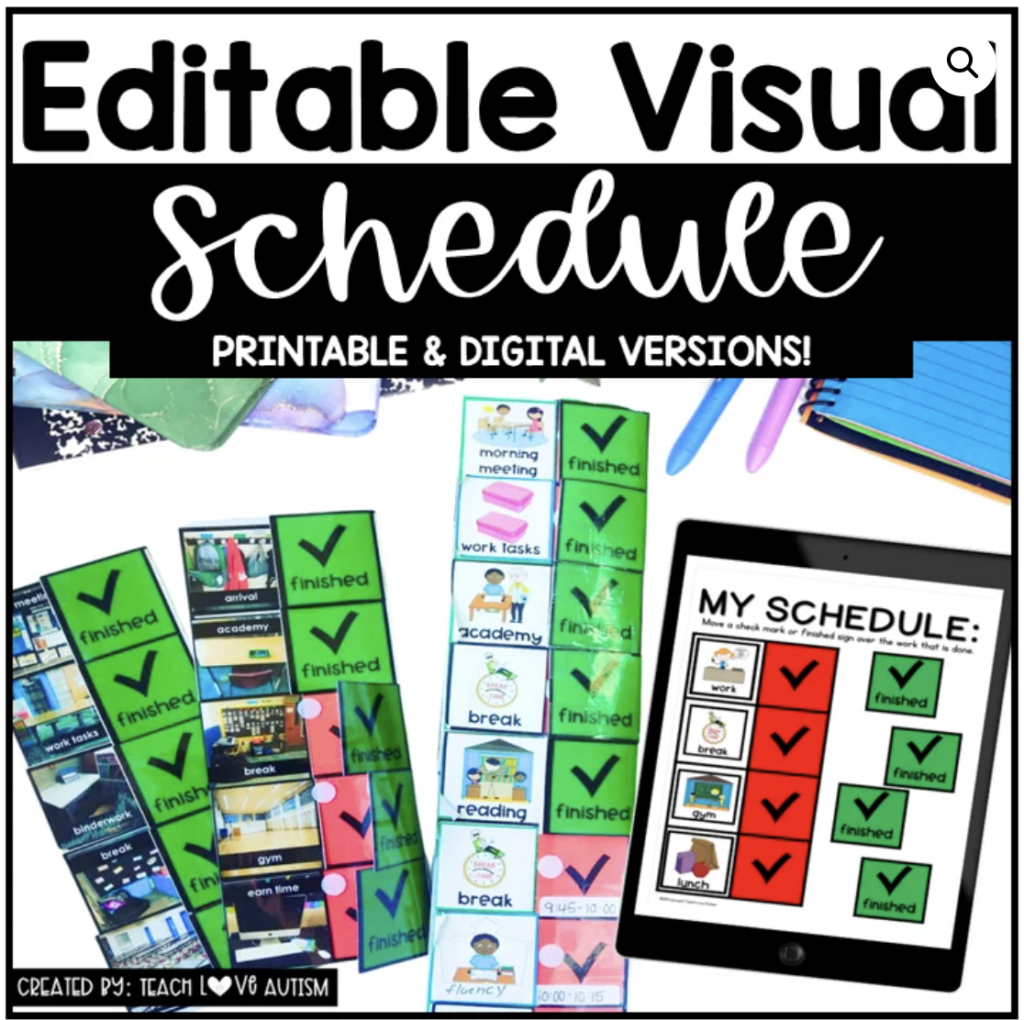
These types of supports can be incredibly helpful for your students as they learn independence with classroom routines, life skills tasks, transitions, and functional activities. If you want a done-for-you visual support system that works with a variety of student needs, this resource is worth checking out.
Helping Your Students Build Independence One Step at a Time
Task analysis in special education is one of those strategies that can completely change the way we approach independence skills in the classroom. Breaking routines into smaller, manageable steps helps our students feel more successful while giving us a clearer plan for instruction. Those small steps add up to meaningful independence throughout the school day.
The best part is that task analysis does not require fancy materials or complicated systems. It simply requires patience, consistency, and the willingness to slow routines down enough for our students to truly learn them. Those small moments of independence matter, and task analysis helps us create more of them every single day.
Save for Later
Task analysis in special education can make daily routines feel more manageable for both our students and ourselves. Save this post to your favorite Special Education board, so you can come back to these task analysis strategies when planning life skills instruction, classroom routines, or functional skill activities for your students.