


If you’ve ever felt like your classroom runs smoothly one minute and completely unravels the next, you’re not alone. In a middle school setting, especially, transitions are constant, expectations shift quickly, and our students rely heavily on predictability. That is exactly why having a strong autism classroom schedule changed everything for me.

The Joys of Scheduling
I’ll be honest. I have a love/hate relationship with schedules. Creating them takes time. Adjusting them takes patience. And yes, I have absolutely sat at my computer for hours trying to make everything align. However, once my autism classroom schedule systems were in place, the difference in behavior, staff clarity, and student independence was worth every minute.
Over time, I realized one schedule was not enough. My classroom needed multiple layers of scheduling to truly function efficiently. Each autism classroom schedule served a different purpose. Together, they created a system that supported both students and staff. Let me show you what that looked like in my middle school classroom.
My Student Autism Classroom Schedule
The first autism classroom schedule I created was my instructional schedule. This schedule mapped out every student’s day in 15-minute increments. On paper, at the top of each column was a student’s name. Along the side were the time blocks. Since I teach middle school, parts of our day run according to the building’s bell schedule, including lunch and specials. The rest of the day was structured around those anchor times.
How to Make the Schedule

Even if you have never built an autism classroom schedule before, the setup does not have to be complicated. You can use Google Sheets or Excel, whichever one you are most comfortable with, so you are not adding unnecessary stress to the process. Once you think the schedule will work, I recommend trying it out for a day or two to make any necessary adjustments. Once the schedule is finalized, I like to print multiple copies and laminate them for durability. I keep one for myself and make copies for my paraprofessionals so everyone can reference the same plan throughout the day.
It is also important to remember that your autism classroom schedule will not stay static for the entire year. I revised mine whenever student dynamics shifted, new triggers surfaced, paraprofessional assignments changed, or my caseload was adjusted. Making thoughtful adjustments based on what you are observing in your classroom is part of what makes the system successful.
What Works About the Schedule
I found that 15-minute blocks worked well. Most of my students could sustain attention for that amount of time. If they could not, we worked toward that goal. In previous years, when I had fewer students, I sometimes scheduled 30-minute blocks because they could handle longer instructional periods.
My autism classroom schedule included direct instruction, paraprofessional-supported work time, and independent work time. When a student began to drift off task, one of my staff members could simply point to the schedule. Instead of engaging in a back-and-forth conversation, the schedule did the redirecting. That consistency reduced arguments and increased accountability.
My Autism Classroom Schedule for Paras and Teachers
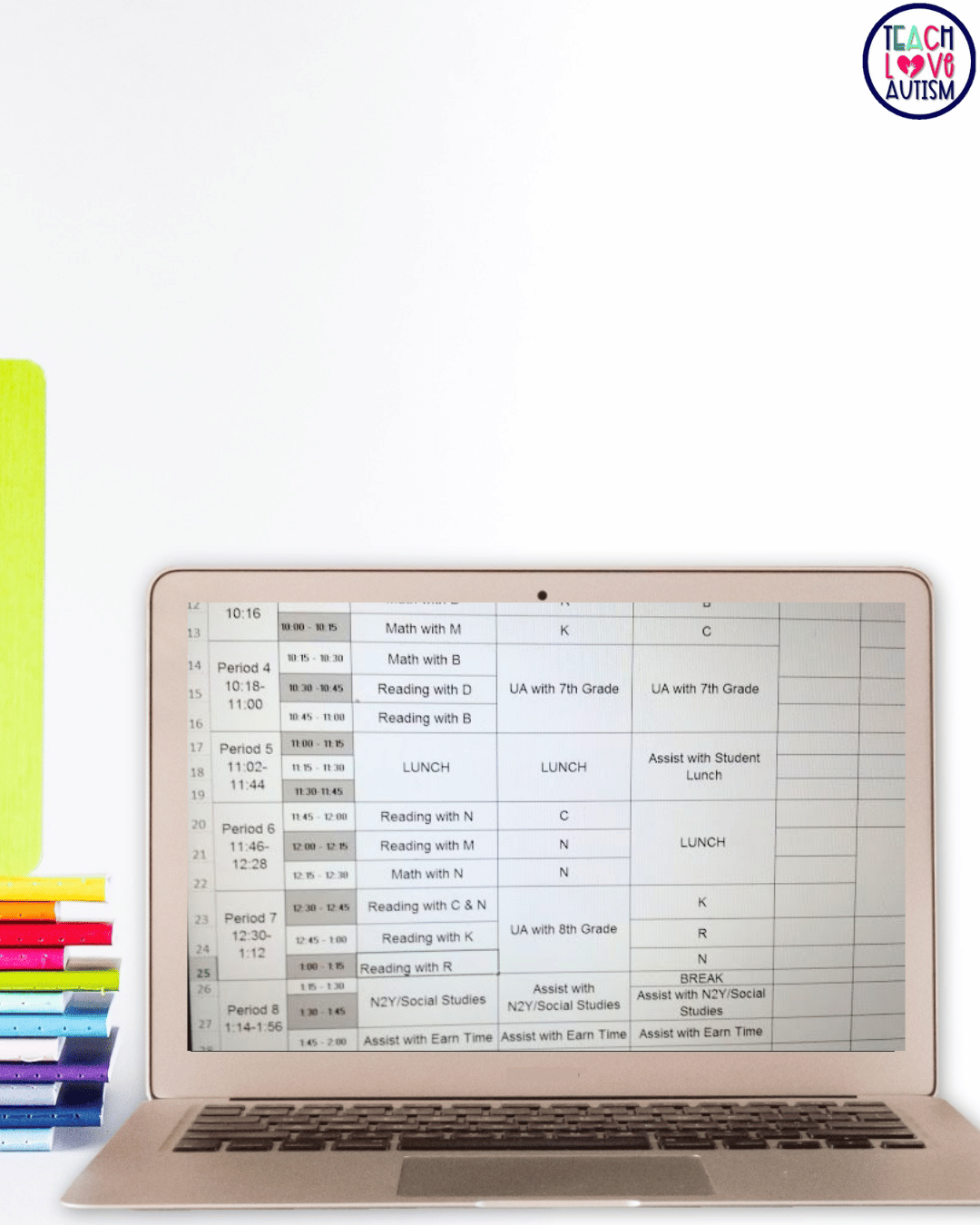
An autism classroom schedule also supports the adults in the room. In my classroom, I created a separate schedule specifically for my paraprofessionals. This one was also broken down into 15-minute intervals. Each block clearly listed the subject area and the initials of the student. It also identified whether they were assisting during lunch, pushing into a general education classroom, or supporting instruction in our room.
Transitions became smoother because responsibilities were already defined. If one para was pushing into a classroom, another knew they were covering independent work. If someone was assisting with lunch, it was already scheduled and accounted for. There was no scrambling to figure it out in the moment.
I also built breaks directly into the schedule. In a middle school autism classroom, adults are constantly on. When breaks are planned intentionally within the autism classroom schedule, your staff can step away without guilt or confusion because coverage has already been arranged. That consistency prevents burnout and keeps morale strong.
Schedule for Independent Work Tasks
Independent work is where an autism classroom schedule either proves itself or falls apart. If your students are simply told to “go do your tasks,” independent time can quickly turn into wandering, skipping work, or repeated prompting. That is why I created a very clear independent work schedule within my classroom system.
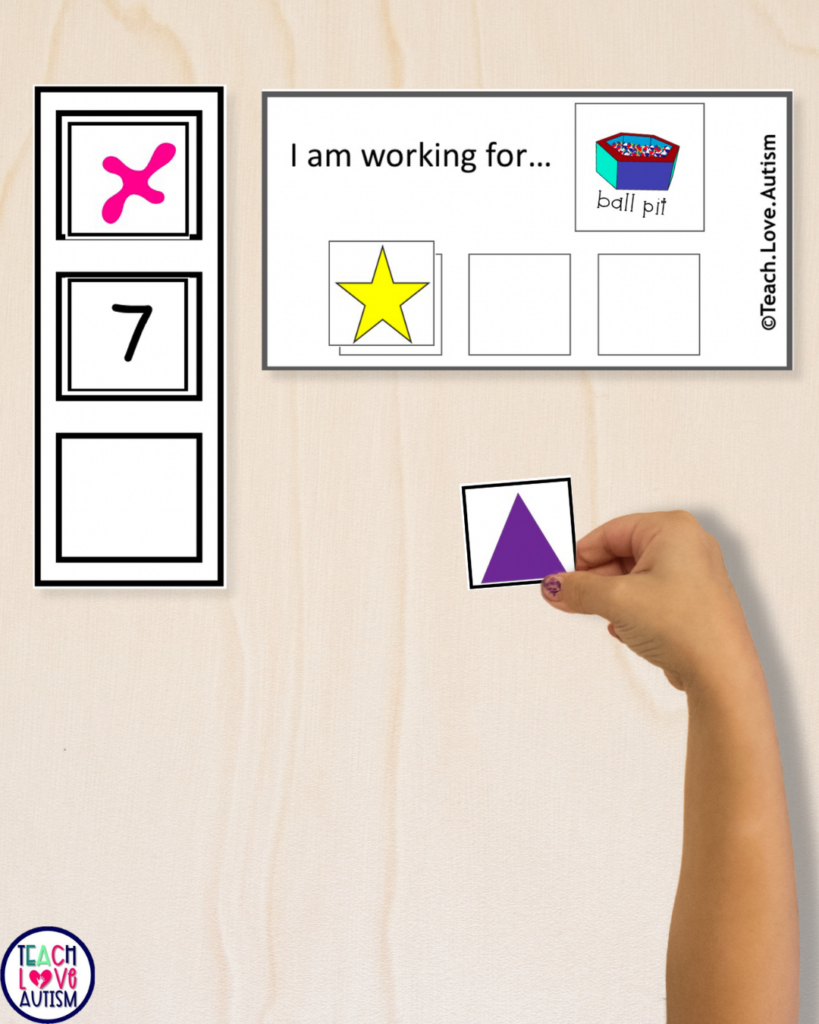
Each of my students had a designated set of tasks assigned during their independent block. These tasks were not random. They were planned in advance and tied directly to instructional goals. I labeled each task so there was no confusion about what needed to be completed.
My students had a visual task strip at their desks that showed exactly which tasks they were expected to complete during that block. We even trained one student to help manage the setup. They learned how to read the master schedule, locate the labels, and place them onto the student desk strips. That added responsibility for one student and increased efficiency for the entire room.
My staff could quickly verify what had been completed and what still needed to be done by checking the schedule. If a task was skipped, it was easy to see. If something was assigned incorrectly, we could fix it immediately.
Mistakes I Made When Building My Autism Classroom Schedule
I did not get my autism classroom schedule right the first time. In fact, I rebuilt it more than once before it truly worked. One of my biggest mistakes early on was trying to keep too much of the schedule in my head. I thought if I understood the flow of the day, everyone else would naturally follow. What actually happened was that I was constantly answering questions. My staff needed more clarity. My students needed more visuals. My internal plan was not enough.
Another mistake I made was leaving transitions too loose. I would block out instructional time but not clearly define who was responsible for coverage during push-ins, lunch, or independent work transitions. Those small gaps created confusion. Even a five-minute undefined block could throw off the tone of the room.
I also underestimated how much adults benefit from structure. I originally thought the autism classroom schedule was mainly for my students. Once I built a detailed schedule for my paraprofessionals, the difference was immediate. When your adults feel confident about where they should be and who they are supporting, your students feel that stability too. The biggest lesson I learned was that clarity reduces behavior more than correction does.
How I Introduce My Autism Classroom Schedule at the Beginning of the Year

Even the best autism classroom schedule will not work if your students are not explicitly taught how to use it. One mistake I made early on was assuming that, because the schedule was posted, my students would automatically follow it. They did not. I had to teach it just like a routine or procedure.
During the first weeks of school, we practice reading the schedule together. We point to each block. We talk about what happens during that time. We physically move through transitions so my students can see how the schedule connects to movement in the room. I model what it looks like to check the schedule when they are unsure instead of immediately asking an adult.
For my students who use desk schedules during independent work, we practice setting them up and checking off tasks before we ever expect full independence. That practice time pays off later in the year when transitions are faster and prompting decreases.
I also walk my paraprofessionals through the staff schedule before our students even arrive. We review who is assigned to which student. We look at how push-ins will work and how breaks are covered. Having those conversations early prevents confusion once the room fills with noise and movement.
Teaching the autism classroom schedule at the beginning of the year or reviewing it at the start of a new semester sets the tone. It communicates that structure matters and that everyone has a role. It also proves that predictability is part of how our classroom functions.
Ready to Make Your Autism Classroom Schedule Visual for Students?
Once you have your master autism classroom schedule mapped out for staff and students, the next step is making it visual and accessible for your learners. Your spreadsheet or rotation chart may keep adults organized, but your students need something they can see and reference independently. That is where my Schedule Cards and my Visual Daily Routine Schedule come in.
These are the tools I use to turn my master schedule into clear, student-friendly visuals. Whether you need a full-day schedule, a mini schedule for part of the day, or step-by-step visuals for a task, they allow you to build something that matches the structure you already created.


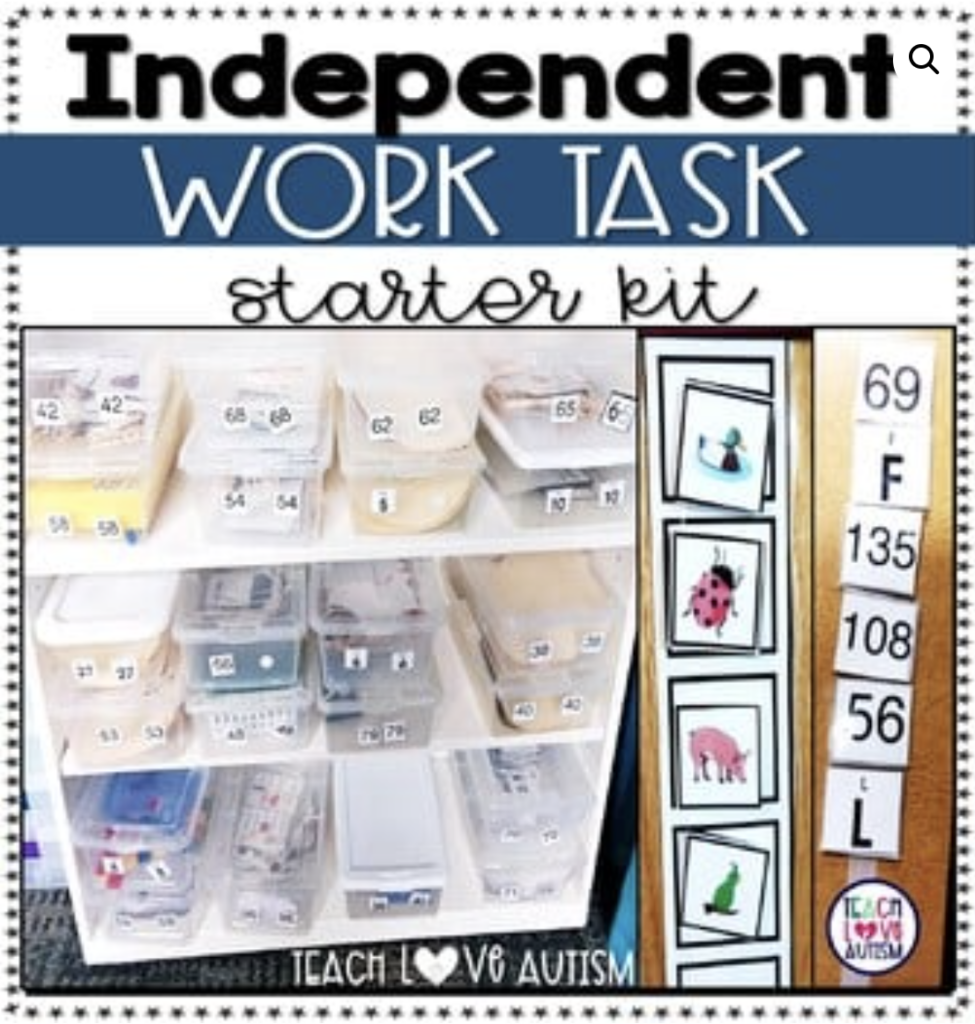
For independent work time specifically, my Independent Work Task Starter Kit supports that block. It has task labels, visual task strips, and reinforcement boards so your students know exactly what they are expected to complete. Together, these resources help bridge the gap between your adult planning system and what your students actually see and use each day.
Why a Strong Autism Classroom Schedule Changes Everything
Creating an autism classroom schedule takes time and intention, but it truly is the backbone of a well-run classroom. When every 15-minute block is mapped out, when paras know exactly which student they are supporting, and when independent work is clearly assigned, the entire tone of the room shifts. There is less confusion, fewer power struggles, and more instructional time.
Your autism classroom schedule does not have to be perfect on day one. It will change. It will evolve. You will tweak it more than once. Once you commit to building a clear, consistent system, you will feel the difference. Your students and staff will feel it, too.
Save for Later
If your classroom feels calm one minute and chaotic the next, don’t wait until you’re overwhelmed to rethink your autism classroom schedule. A strong schedule system can reduce behavior, increase independence, and support your paraprofessionals all at once.
Save this post to your Special Education Pinterest board so you can revisit these ideas when you’re planning, reorganizing, or starting a new semester.