
Behavior management is a critical aspect of creating a positive and productive learning environment for students with special needs. As a special education teacher, implementing effective behavior management strategies is key to fostering a supportive atmosphere that maximizes learning outcomes. In this blog post, we will discuss essential tips and practical techniques to support you in your journey toward successful behavior management in the special education classroom.
Establish Clear Expectations in Behavior Management
Setting clear expectations from the start is fundamental to managing behavior effectively. Communicate rules and guidelines to your students in a clear, concise, and positive manner. Use visual supports, social stories, or classroom agreements to reinforce these expectations. When students understand what is expected of them, they are more likely to engage positively and follow the established guidelines.
Promote Positive Reinforcement:
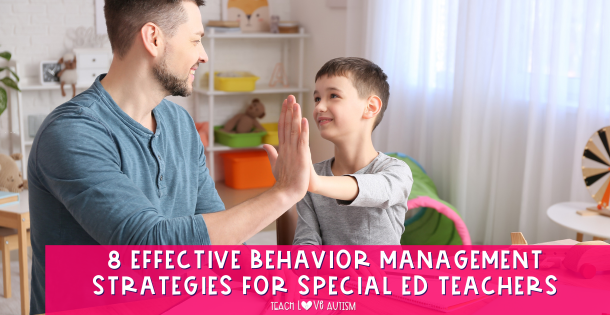
Positive reinforcement is a powerful tool in behavior management. Recognize and celebrate students’ achievements, efforts, and appropriate behaviors. Use a variety of reinforcement strategies, such as verbal praise, tokens, stickers, or a reward system. Tailor your reinforcement approach to each student’s preferences and needs. By highlighting positive behavior, you create a motivating and encouraging classroom environment.
Utilize Effective Communication Strategies with Behavior Management
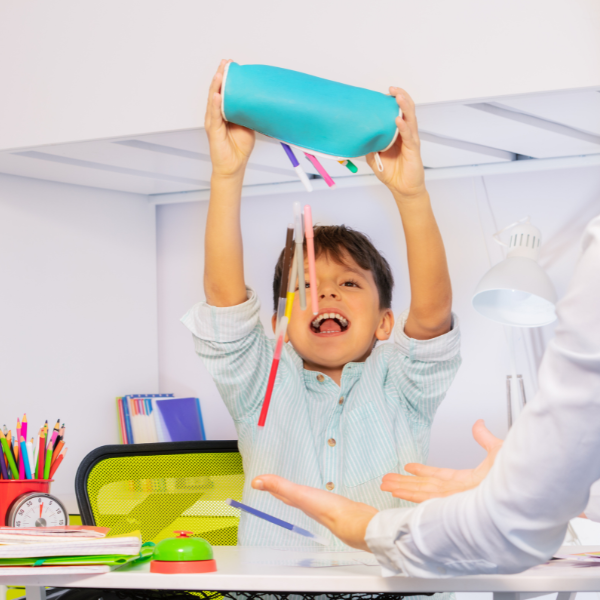
Effective communication is crucial for managing behavior in the special education classroom. Use clear and concise language, provide visual supports, and offer additional explanations or visual cues when necessary. Break down instructions or tasks into smaller, manageable steps to support comprehension. Encourage active listening and teach students appropriate ways to express their needs, emotions, and concerns.
Implement Visual Supports:
Visual supports are invaluable tools for students with special needs. Incorporate visual schedules, visual cues, and visual reminders throughout the classroom. Visual supports aid in understanding expectations, facilitating transitions, and promoting independence. They provide students with a clear and concrete reference, reducing anxiety and facilitating positive behavior.
Implement a Structured Routine:
Establishing a structured routine is highly beneficial for behavior management. Students with special needs thrive on predictability and structure. Create a daily schedule that incorporates consistent routines and clear transitions between activities. Communicate the schedule to students visually and verbally, allowing them to anticipate and prepare for upcoming tasks. A structured routine provides a sense of stability and reduces disruptive behaviors.
Use Proactive Strategies to help with Behavior Management

Proactive strategies help prevent challenging behaviors before they occur. Anticipate potential triggers and plan accordingly. Modify the environment to reduce sensory overload, provide sensory breaks, or offer alternative seating options. Differentiate instruction to accommodate diverse learning needs and provide clear instructions to avoid confusion or frustration. By being proactive, you create an environment that promotes positive behavior and minimizes disruptions.
Implement Behavior Contracts or Individualized Behavior Plans:
Consider developing behavior contracts or individualized behavior plans for students with persistent behavior challenges. These plans outline specific goals, strategies, and consequences for behavior. Involve students in the development process, ensuring their active participation and ownership. Regularly monitor and assess progress, making necessary adjustments to support behavior improvement.
Collaborate with Support Staff and Parents in Behavior Management

Collaboration is key to effective behavior management. Work closely with support staff, such as paraprofessionals, therapists, and behavior specialists. Share information, strategies, and updates to ensure consistency and support for students. Maintain open and regular communication with parents, discussing behavioral concerns, progress, and strategies for reinforcement at home and school.
Self-Care for Teachers:
Taking care of your own well-being is essential for effective behavior management. Prioritize self-care, establish boundaries, and seek support from colleagues or mentors when needed. By maintaining your own physical and emotional well-being, you are better equipped to handle challenging situations and support your students effectively.
Effective behavior management is a critical component of special education teaching. By implementing these essential tips – establishing clear expectations, promoting positive reinforcement, utilizing effective communication strategies, implementing visual supports, establishing a structured routine, using proactive strategies, implementing behavior contracts or individualized behavior plans, collaborating with support staff and parents, and prioritizing self-care – you can create a positive and supportive classroom environment that fosters behavioral success and enhances the overall learning experience for your students.