If you teach in a self-contained classroom, you already know that IEPs are everything: your roadmap, your to-do list, your accountability record, and sometimes, your biggest headache.
But here’s the truth: when you use IEP Best Practices intentionally, they can actually make your teaching easier.
Your IEPs should guide instruction, not control your life. With the right systems, you can stay organized, confident, and focused on what matters most, helping your students grow.
Start With Student Strengths: The Foundation of IEP Best Practices
💬 Let’s Be Honest About IEPs
If you teach in a self-contained classroom, you already know that IEPs are everything: your roadmap, your to-do list, your accountability record, and sometimes, your biggest headache.
But here’s the truth: when you use IEP Best Practices intentionally, they can actually make your teaching easier.
Your IEPs should guide instruction, not control your life. With the right systems, you can stay organized, confident, and focused on what matters most, helping your students grow.
🌟 Start With Student Strengths: The Foundation of IEP Best Practices
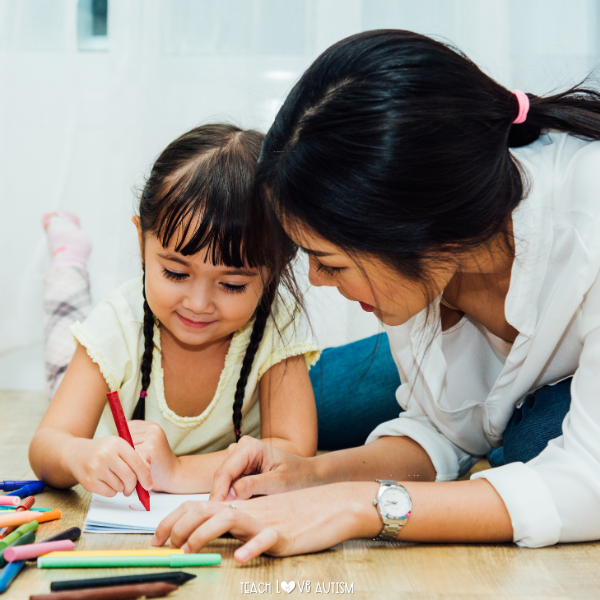
Every great IEP begins with one simple mindset shift: start with what your student can do.
Too often, IEPs focus on deficits, what students can’t do yet. But the most effective IEPs, especially in self-contained classrooms, are built on strengths.
When you identify what students do well, you can leverage those strengths to build confidence, independence, and engagement.
Here’s how to apply this IEP Best Practice:
- Highlight Present Levels (PLOPs): This is your “baseline.” Summarize what the student can do independently and where scaffolds are still needed.
- Align SDI (Specially Designed Instruction): Match teaching methods with learning styles: visuals, repetition, movement, or tech.
- Review Service Times: Build a schedule that reflects realistic support for each area of need.
💡 Pro Tip: Create a one-page “IEP Snapshot” that summarizes each student’s goals, accommodations, and behavior plans. You can grab editable templates like this inside the Editable Paraprofessional Binder to keep things simple and visual.
📊 Data Collection That Aligns with IEP Best Practices
Let’s be real: tracking data in a self-contained classroom can feel like a full-time job. Between teaching, behavior management, and coordinating your team, it’s easy to let data slide.
But here’s the secret: effective data collection doesn’t mean more data, it means better systems.
Try these IEP Best Practices for data collection:
- Create a Data Schedule: Rotate your goal tracking. For example, reading comprehension on Mondays, math on Tuesdays, life skills on Wednesdays.
- Color-Code by Student or Subject: This visual cue keeps everyone organized.
- Train Your Paraprofessionals: The best data is consistent data. Use the Editable Paraprofessional Training Manual to help staff understand prompts, levels of support, and documentation.
- Track Behavior Data Too: Tools that track behaviors can keep things organized so you can focus on what your students need. They make behavior tracking simple and visual.
- Analyze Weekly: Review your data every Friday to adjust instruction before progress report panic hits.
If you need a step-by-step system, check out my blog How to Organize Data Collection in Special Education for visuals, templates, and workflow examples.
🧩 Write Functional Goals That Match Real Classroom Routines

Strong IEP goals are realistic, measurable, and integrated into what you already do. That’s a hallmark of IEP Best Practices.
Before finalizing a goal, ask yourself:
✅ Can this goal be practiced in natural routines?
✅ Does it connect to a meaningful life skill or academic standard?
✅ Can my team collect data easily without interrupting instruction?
✅ Do I have the materials to work on this goal with fidelity?
For example:
If a student’s goal is “counting coins,” you can:
- Use the Next Dollar Up Task Cards for money skill practice.
- Add a task in the Life Skills Independent Work Binder for daily reinforcement.
- Build it into your Grocery Store Simulation Lesson for real-world context.
When IEP goals fit your classroom systems, data collection becomes natural, and student progress skyrockets.
🤝 Collaborate Consistently, One of the Most Overlooked IEP Best Practices
IEPs aren’t solo work: they require collaboration across your whole team.
But in self-contained settings, with paras, therapists, and case managers in the mix, communication can easily break down.
Here’s how to fix that with simple IEP Best Practices:
- Host Mini IEP Meetings: Use your weekly para check-in to review one student’s goals and share strategies.
- Use a Communication Notebook or Google Sheet: The Editable Communication Logs include templates for communication logs you can print or share digitally.
- Keep Parents in the Loop: Share visuals or photos of progress using ideas from 5 Easy Ways to Communicate with Families in Special Education.
Collaboration isn’t just a nice-to-have: it’s an essential IEP Best Practice that directly impacts student progress.
🏫 Build Your Classroom Around IEP Goals
If you want your IEPs to work, your classroom should reflect them. Think of your environment as an extension of the IEP itself.
Use your visuals, tasks, and structure to target key goal areas:
- Communication Goals: Reinforce with the Core Vocabulary Adapted Books or your Real Photo Word Wall.
- Academic Goals: Use Reading Comprehension Passages aligned to IEP objectives.
- Life Skills Goals: Integrate Life Skills File Folders into independent work time.
- Social Skills Goals: Build lessons around the Social Narrative Library in your Teach Love Resource Membership.
Want ideas for setup? Read my blog How to Organize a Self-Contained Classroom for Independence.
🔄 Keep Your IEPs Alive, and Keep Growing
IEPs are living documents, not static forms. One of the most important IEP Best Practices is staying flexible.
Your students change. Skills improve. Behaviors shift.
Here’s how to keep your IEPs responsive:
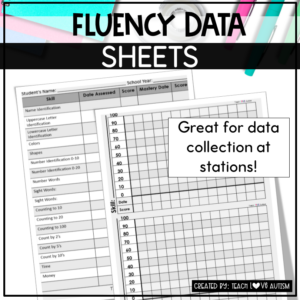
- Review Data Monthly: Use these FREE data sheets to spot trends early.
- Adjust Supports: Add visual supports or adapt materials as needed, the Editable Visual Schedule Templates are perfect for this.
- Collaborate for Change: Don’t wait for the annual meeting, gather your team and make data-driven updates anytime.
Flexibility doesn’t mean inconsistency. It means you’re following one of the most student-centered IEP Best Practices there is: adapting instruction to meet real needs.
❤️ Final Thoughts
IEPs can feel overwhelming, but with these IEP Best Practices, they’ll become the foundation of a smoother, more confident teaching flow.
You’ll spend less time buried in paperwork and more time celebrating progress.
Remember: you don’t have to be perfect. You just have to be intentional.
💡 Ready to simplify your IEP systems?
Grab the Editable Paraprofessional Binder & Training Manual for Special Education: it’s the tool that helps you and your team put IEP Best Practices into action without losing your weekends.