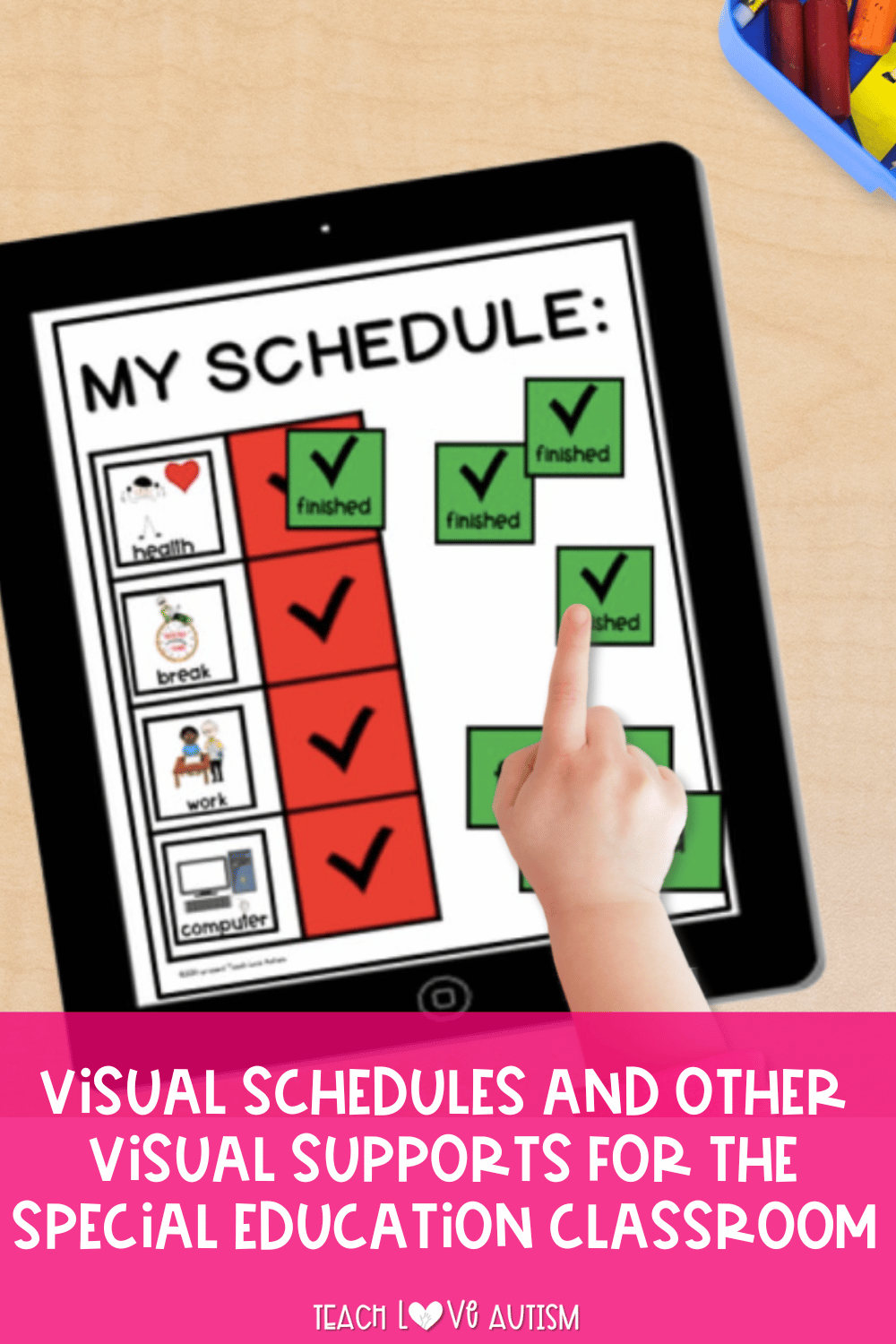


Visual schedules are essential for running a smooth special education classroom. With so many options out there, it’s easy to feel overwhelmed, especially if you’re just starting out! What visuals do you really need? Where do you start? How do you know if you’ve picked the right one? I struggled with these same questions early on. That’s why I’m here to help answer those questions and share some of my favorite visual schedules that have been true game-changers in my classroom over the years. Let’s explore them and make visual schedules work for you and your students!
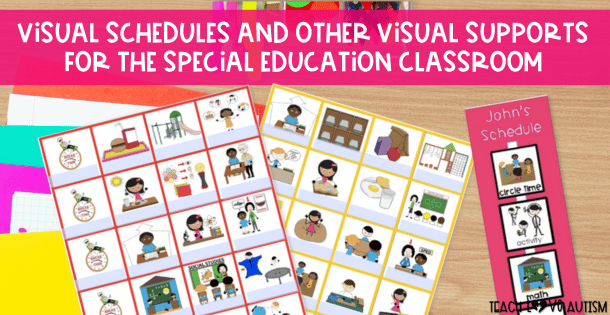
What Are Visual Schedules?
Let’s chat about visual schedules and why they’re so valuable in the special education classroom. Visuals are tools that help our students understand what we’re asking of them by showing rather than telling.

This can be especially helpful for our students with autism and other disabilities who may process spoken language differently. Imagine their mind as a funnel with limited space for new information. When we talk, only a fraction might make it through. Visual schedules help widen that funnel, making it easier for them to grasp what’s expected. I find this concept clicks when I share it with my paraprofessionals. It helps them see the purpose behind each visual tool we use.
Why Are Visual Schedules Beneficial For Students?
But why are visuals often the best choice for our students? Visuals work on multiple levels. They provide clarity, reduce anxiety by setting clear expectations, and ultimately allow our students to gain independence in managing their routines. It’s not just students with disabilities who benefit.
Visuals are all around us in daily life, guiding us without a single word. We rely on stop signs, traffic lights, exit signs, restaurant logos, and so many other visuals to navigate our day-to-day lives. Visual schedules offer that same support to our students. They help them to feel secure and capable in a structured environment.
Visuals and Visual Schedules in Action!
What visuals do you need? Well, I’d start with the basics! Visual schedules!
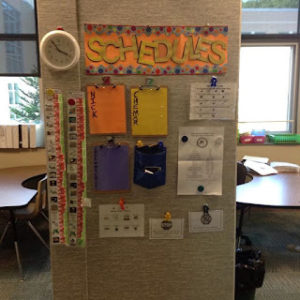
Here’s my central visual station! If you take a closer look, you’ll see I have a variety of visuals and schedules here. There’s the traditional class period schedule, which keeps everyone on track. There are also picture schedules for my students who benefit from more visual guidance (keep reading, and you’ll get a closer look at those!).
On the empty clipboards, I place table schedules for students who are progressing in their reading skills and don’t rely as heavily on visuals anymore. This setup allows me to cater to different levels of support, keeping everything organized and accessible for every student!
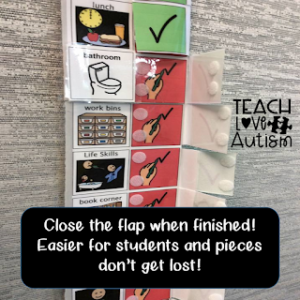
This is my visual flip schedule, and it’s a game-changer! It’s perfect for my students with fine motor challenges or when schedule pieces seem to go missing. Students can simply flip each flap closed as they finish each task. The best part is that everything stays connected. No lost pieces, just a smooth and easy-to-use schedule that works for everyone!
Make sure to check out the Editable Visual Schedules for a closer look!
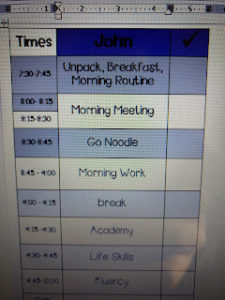
I also have schedules for some students that look more like a traditional schedule. These are easy to read schedules that are perfect for my students are ready to move beyond visuals. And. . . if you have a student that is moving to this point you could always add a visual next to the words.
Here’s an example where each item lists the time, event, and location. I have these laminated to allow my students to use a dry-erase marker to check off tasks as they complete them. It’s flexible, too. I created this setup using a simple table in a Word document, making it easy to customize as needed!
Visuals for Work Tasks
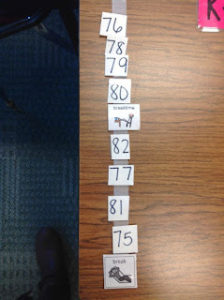
I also have a specific visual that we use in my classroom when students are completing independent work tasks. Not sure what work tasks are? Find out all about them in this blog post.
Since students are working independently during this time they need an easy to follow visual that will help keep them on task. Along the side of their desk, students have a list of numbers of that correspond to the number on a work task. They follow the numbered steps in order, which helps them stay focused and complete each task one by one.
I even include visuals that show when they’ll earn a break. This gives them a clear sense of what’s coming up and reinforces all the hard work they’re putting in. It’s like knowing when payday is coming, having that motivator makes a difference for all of us!
More Must-Have Visuals
Here are some other types of visuals I have in my room, and I feel like I couldn’t live without them!
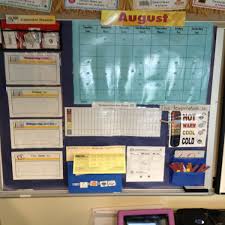
Morning Meeting Visuals!
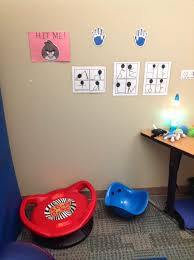
Sensory Room Visuals include yoga poses that can be done using a body sock. This is a great tool for getting additional sensory input.
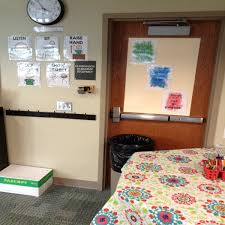
Rules Visuals! (under the clock)
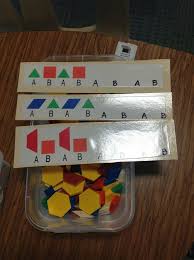
Work Task Visuals help students complete the task by visually representing what they need to do.
Visual Schedules Help Your Students
If you ever feel unsure about how to teach or explain something to a student, remember: when in doubt, go with a visual!
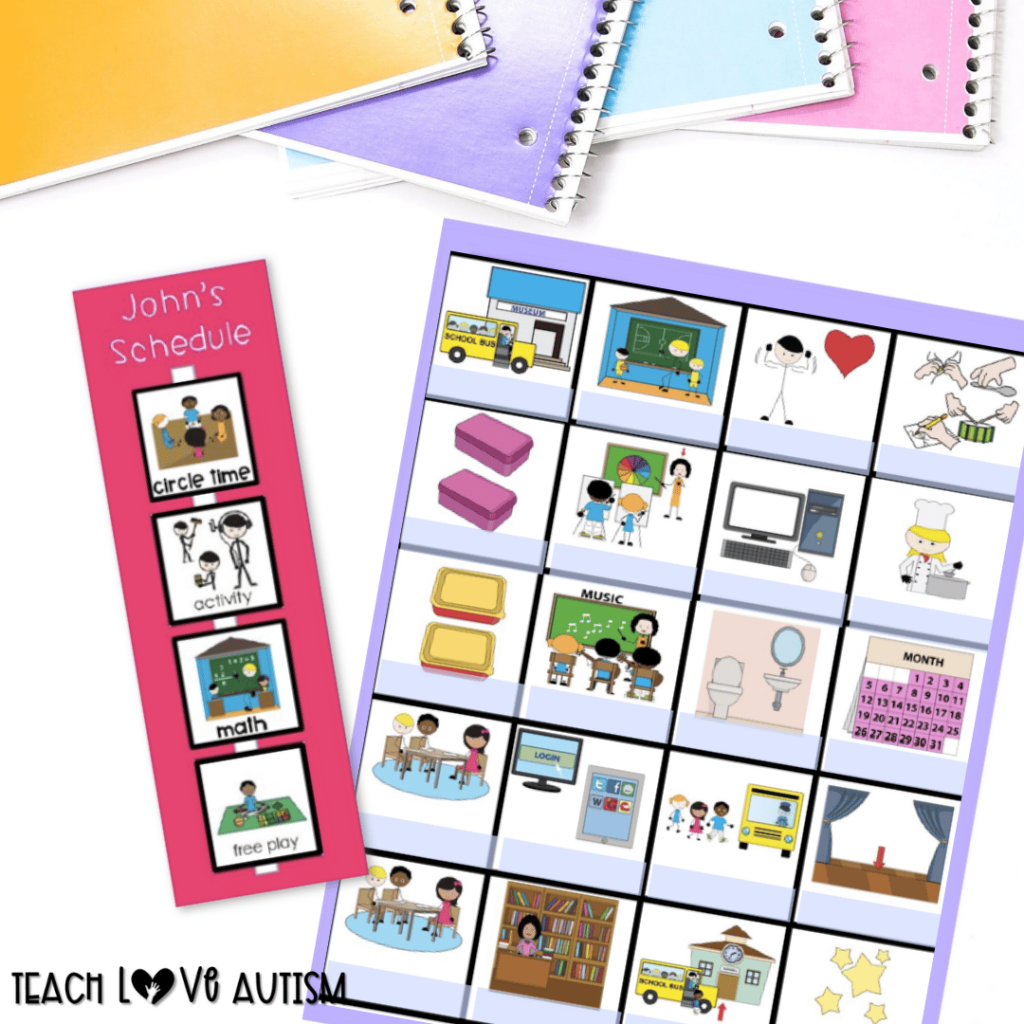
Visual communication is one of the most powerful tools we have in reaching our students. It allows us to show them exactly what we want them to do or understand, often with far less confusion. A visual schedule or visual set of classroom rules, are great ways to help ease anxiety because it shows our students that there’s a clear plan, a structure to follow, and an end goal in sight.
For many students, especially those who thrive on routine, just seeing what’s next and knowing there’s an organized plan can bring them a lot of comfort. Plus, visuals encourage independence, allowing our students to navigate tasks on their own with confidence.
Additional Visual Schedule Resources to Explore!
Creating and preparing visual schedules does not need to take a long time! Explore the resources below to make the process time-efficient.
Visual Schedules Resources:
- Editable Visual Schedule for Autism or Special Education Bundle
- Editable Schedule Visuals for Autism or Special Education
- Digital and Editable Visual Flip Schedule for Autism
- Editable Schedule Boards for Autism or Special Education
Visual Resources:
- Break Time Choice Board Freebie
- Clock Label Freebie
- Independent Work Task Starter Kit for Special Education
Save for Later
Remember to save this post to your favorite special education Pinterest board to start using visual schedules in your classroom!