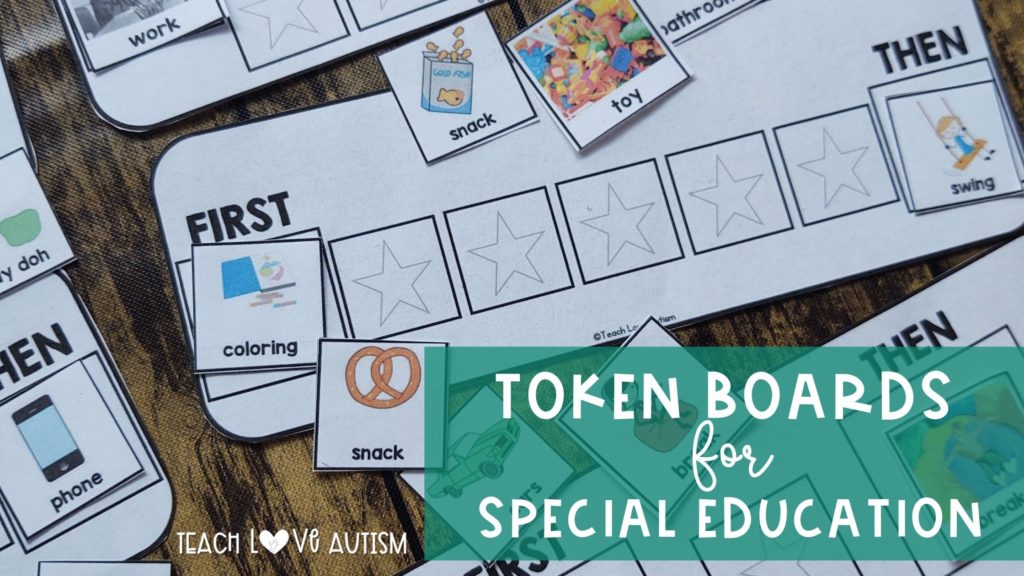
There are two kinds of motivation: intrinsic motivation and extrinsic motivation. Many of our students walk into our classrooms already intrinsically motivated. They feel proud of their accomplishments and enjoy the personal satisfaction that comes from doing something well. This is exactly where token boards can play a powerful role. When our students see their progress represented visually, that sense of accomplishment becomes even more meaningful.
Other students, however, are more extrinsically motivated. They need external reinforcers, such as stickers, prizes, breaks, or small tangible rewards. This helps them to stay engaged and move toward success. Both types of motivation are valid. While we hope our students eventually develop stronger intrinsic motivation, that isn’t the starting point for everyone. That’s OK! Our role is to meet our students where they are and provide the support they need to feel successful.
Understanding Token Boards
You might have heard the phrase “token economy” tossed around during trainings or in teacher Facebook groups. A token economy is a classroom-wide reinforcement system, like class money, tickets, points, or anything that motivates your students to work toward a prize or privilege. Your students earn tokens for following directions, showing expected behavior, going above and beyond, or being positive classroom leaders. They later exchange those tokens for rewards chosen by the teacher.
Token boards work similarly, but they’re completely individualized. Instead of managing a whole-class system, token boards allow you to provide targeted reinforcement that meets the needs of one specific child. That personalization is one of the reasons they are so effective for your students who benefit from clear structure, visual support, and predictable routines.
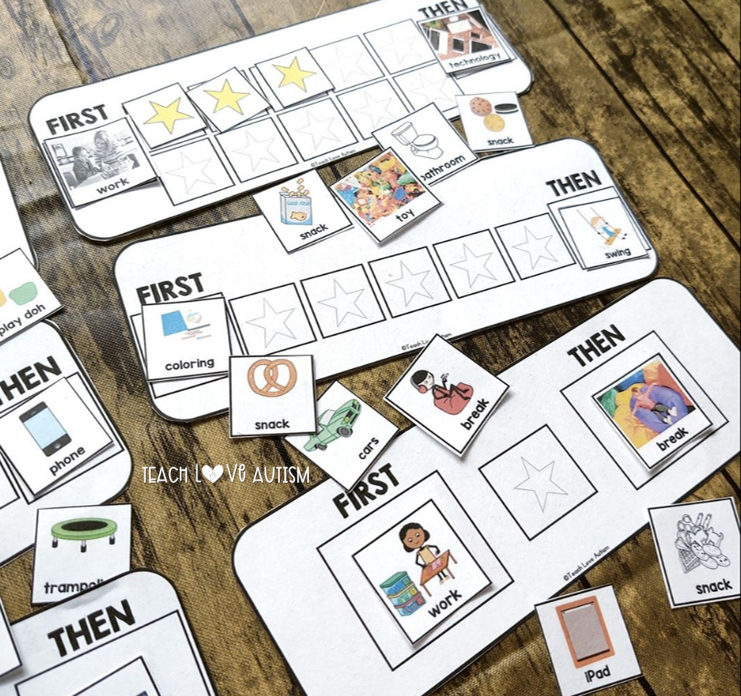
With a token board, your students earn tokens for a specific behavior, academic task, or skill you want to strengthen. Once they collect all the tokens on their board, they exchange them for something motivating, such as a quick break or a small prize. This structure makes expectations clear, builds confidence, and creates momentum toward success.

The Benefits of Using Token Boards
One of the biggest reasons I love using token boards is how quickly they bring clarity and confidence into a student’s day. So many of our learners thrive on structure. A token board gives them a visual roadmap for success. They can literally see their progress, which makes expectations easier to understand and the reward feel closer and more achievable.
These boards also reduce anxiety for our students who feel overwhelmed by large tasks or unfamiliar routines. Instead of trying to manage an entire assignment or a long stretch of class time, they only focus on earning the next token. That shift alone can completely change their mindset. Suddenly, the challenge feels manageable.
Another huge benefit is how naturally token boards build independence. As our students learn the system, they start monitoring their own behavior and academic habits. They begin to notice moments where they earn tokens, which strengthens self-awareness. Over time, many of them start internalizing those positive behaviors. That’s something that can make an incredible difference in both general education and special education settings. Token boards really do help our students feel successful in a way that’s both simple and meaningful.
Making Token Boards for Your Students
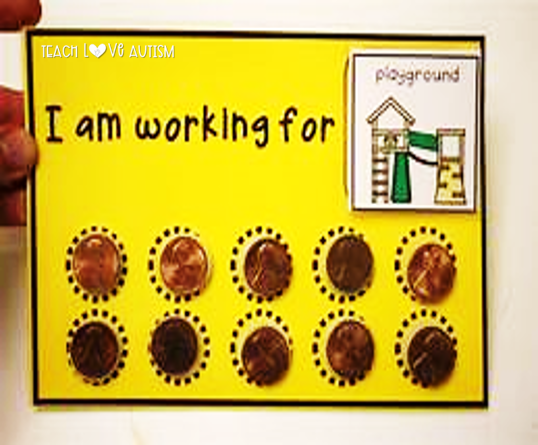
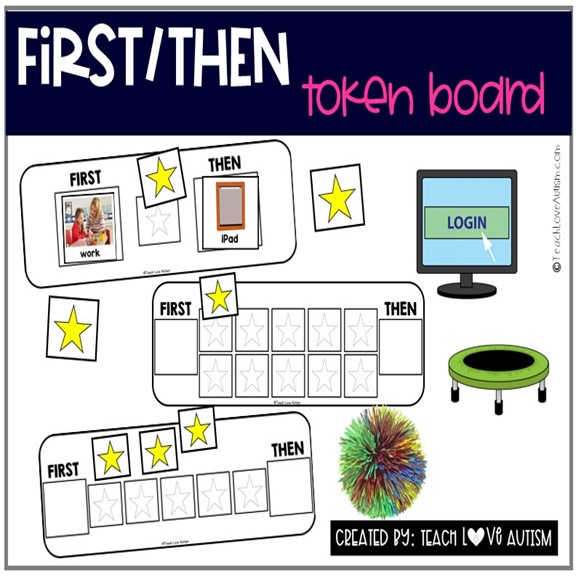
The good news? Token boards do not have to be fancy. You can absolutely create your own with materials you already have in your classroom. One easy option is using a clipboard or laminated cardstock, adding Velcro dots, and choosing your tokens. Pennies, bingo chips, or even laminated pictures all work well. Attach the tokens to the bottom with Velcro. Place the matching Velcro spots at the top for when tokens are earned.
If you want something even simpler, draw a few circles or smiley faces on paper and let your students color in each one as they earn it. You can also use whiteboard markers to draw tokens directly on a student’s desk. I recommend testing a small spot first to make sure it wipes off easily at the end of the day.
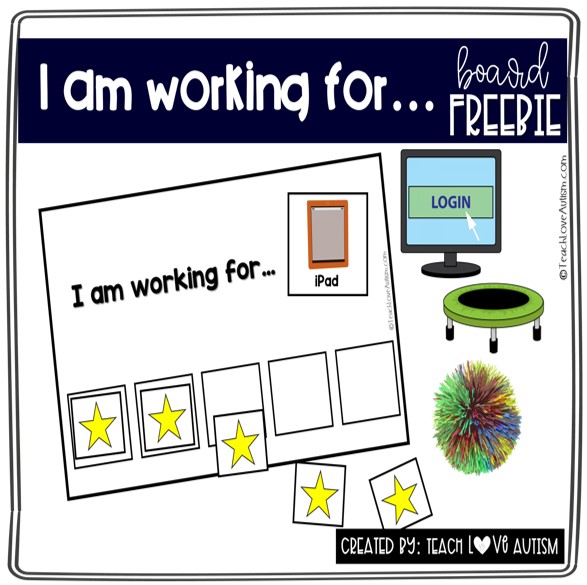
Of course, if you’d rather skip the DIY process, I have you covered! I offer a free token board inside my Free Resource Library. It’s ready to print, prep, and use immediately. It’s a great option if you want something visually appealing and classroom-ready without spending extra time creating your own.
Common Mistakes When Using Token Boards
Even though token boards are simple to use, there are a few common mistakes that can make them less effective. One of the biggest is inconsistency. If tokens aren’t given regularly or expectations change without explanation, your students can quickly lose trust in the system. Consistency builds credibility, and credibility keeps the board motivating.
Another mistake is choosing rewards that aren’t actually motivating for your student. What excites one child may not excite another! This is why involving your students in the reward process makes such a big difference. Their buy-in matters. A token board with an unmotivating prize becomes just another chart on the wall. They need to feel excited about what they’re working toward.
Sometimes the token board can become overloaded with too many tokens at the beginning. If it takes too long to earn the reward, your students may give up before they even get started. It’s always better to start small. Gradually increase the challenge once your student understands and enjoys the process. A well-paced system keeps your students celebrating small wins while building toward bigger ones.
How to Use a Token Board in Your Classroom
How do you actually use token boards with your students? There are endless possibilities. Here’s the process that works best for me.
Whenever I notice a student who needs a little extra support or motivation, I pull them aside to show them their token board. We talk about what it is, what it means, and what they can earn. I love involving my students in choosing their reward because ownership increases buy-in almost instantly. Once the reward is set, I start small, only a few tokens at first, so they earn success quickly. As they build confidence and understand the system, I gradually increase the number of tokens needed.
Examples of Token Board in Action
Maybe you have a student who struggles to begin work independently. Every time you see them start their work without needing extra prompting, they earn a token. Once all the tokens move from the bottom to the top, they receive their reward. At first, that might mean earning three tokens. As they grow, you might increase it to six or even ten.
Another example is that maybe you have a student who avoids cleaning up, leaving materials all over the place. With a token board, you reinforce the behavior you do want to see. Each time they clean up, even if it’s not perfect, they earn a token. That consistency builds strong routines and reduces stress for both you and your student.
That’s the amazing part of token boards. You can adapt them for any behavior, any academic task, and any student who needs clear, visual reinforcement. Yes, there is always at least one student in every classroom who could benefit from a token board!
How to Fade Token Boards Over Time
As much as we love the structure and motivation that token boards provide, the long-term goal is always the same. We want to help our students transition toward more intrinsic motivation and independence. Fading a token board doesn’t mean your student no longer needs support. It simply means you’re gradually shifting responsibility back to them.
One of the easiest ways to begin fading is by slowly adding more tokens to the board. This helps them practice delayed gratification without feeling discouraged. You can also begin spacing out when tokens are given. At the beginning, you might reinforce every small step. As your student grows, switch to every other success, then every few successes. This gentle shift helps your student stay motivated while relying less on constant reinforcement.
Eventually, you can replace the token board with simple verbal praise, quick check-ins, or natural reinforcers already built into the classroom. The fading process should always be gradual, supportive, and responsive to your student’s needs. The goal is never to take away help. It’s to help your students grow beyond it with confidence.
Bring Token Boards into Your Daily Routine
When used consistently and intentionally, token boards become a supportive tool that helps your students take big steps forward in all areas, academically, behaviorally, and emotionally. They build confidence, create structure, and reinforce positive habits in ways that feel empowering instead of overwhelming. If you’ve been looking for a simple, effective strategy to boost motivation and support your learners, token boards are one of the easiest places to start.
Freebies and Products with Token Boards
Save for Later
Want to come back to these ideas later? Pin this post so you always have quick access to everything you need to get started with token boards in your classroom. Whether you’re prepping for a new student, building in more structure, or refreshing your behavior supports, you’ll have this resource ready whenever you need it!