


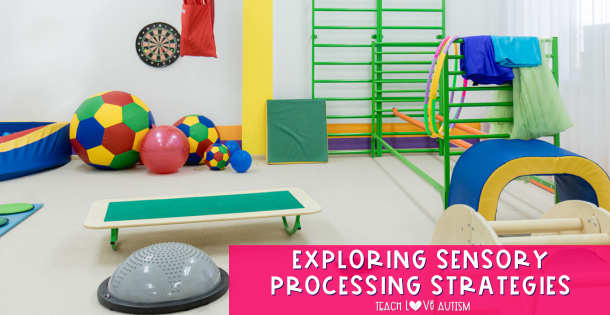
Sensory supports in the classroom can make or break a student’s day. Sensory processing differences shape how many autistic students take in the world around them, and that shows up in their behavior, emotions, and learning. In this post, I’m walking through what sensory processing looks like at school and the practical strategies that help students stay regulated and ready to learn.
What is Sensory Processing in Autism?
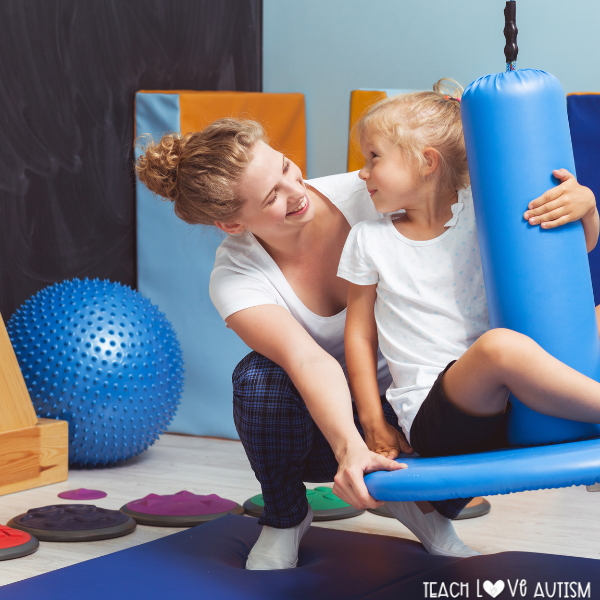
Sensory processing refers to the way the nervous system receives and interprets sensory information from the environment. This includes sensory inputs such as sight, sound, touch, taste, and smell. For autistic students, sensory processing differences can manifest in various ways:
- Sensory sensitivities: Some students may be hypersensitive to certain sensory stimuli, leading to discomfort or distress in response to everyday sensory experiences such as loud noises, bright lights, or certain textures.
- Sensory seeking behaviors: Others may engage in sensory-seeking behaviors, actively seeking out sensory input to regulate their arousal levels or sensory experiences.
- Sensory processing challenges: Difficulties in processing and integrating sensory information can result in challenges with attention, self-regulation, and behavior.
Sensory Supports in the Classroom: Creating a Sensory-Friendly Space
Creating a sensory-friendly classroom helps autistic students manage sensory challenges so they can focus on learning. Teachers and families can set up spaces that feel safe and comfortable by paying attention to things that can lead to sensory overload, like lighting and noise levels. When you plan around each student’s sensory preferences, you build their independence too. A sensory-friendly environment supports emotional regulation and helps students stay ready to learn. Here are some tips:
- Minimize sensory triggers: Identify and minimize sensory triggers in the environment, such as loud noises or fluorescent lighting. Use soft lighting, natural materials, and calming colors to create a soothing atmosphere.
- Provide sensory breaks: Offer opportunities for sensory breaks throughout the day to help students regulate their sensory experiences. Incorporate sensory-friendly activities such as deep pressure input, swinging, or tactile play.
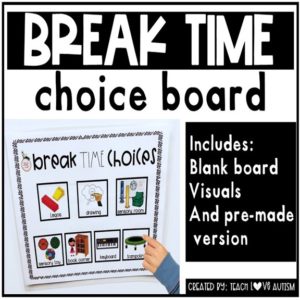
- Offer choice and control: Allow students to have control over their sensory experiences whenever possible. Offer choices regarding sensory input, such as providing options for seating preferences or sensory tools.
Here’s a freebie to help with that! It’s completely editable!
-
 Break Time Choice Board$0.00
Sensory Tools and Techniques
The right sensory tools and techniques give autistic students real support during the school day. Tools like noise-canceling headphones, fidgets, and wiggle cushions help students regulate and get comfortable in their learning space. When you build sensory supports in the classroom into your daily routines, students learn to handle sensory input with more confidence. And many of them focus and regulate better too. Here are some examples:
- Weighted blankets: Weighted blankets give deep pressure input that helps many students calm down during break time or in a calm-down corner.
- Fidget toys: Fidget toys can help students regulate sensory input and maintain focus by providing tactile stimulation.
- Noise-canceling headphones: Noise-canceling headphones can reduce auditory sensitivity and provide a quiet sanctuary in noisy environments.
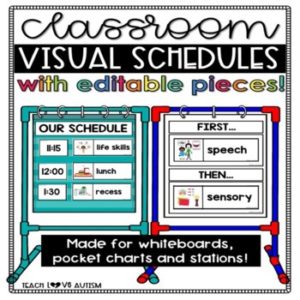
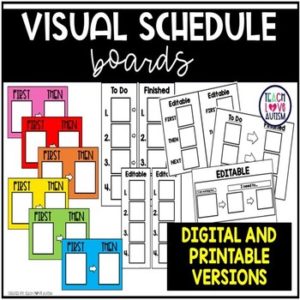
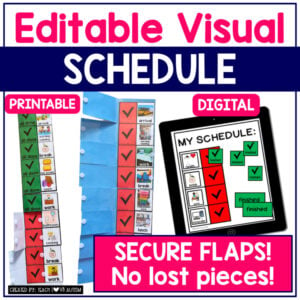
- Visual schedules: Visual schedules and supports can help students anticipate and prepare for sensory experiences, reducing anxiety and promoting independence.
Quick Sensory Supports in the Classroom You Can Add This Week
You don’t need a full sensory room to make a difference. Start small and build from there. These are easy wins that work in almost any classroom:
- A calm-down corner. A bean bag, a few fidgets, and a visual choice board in a quiet spot. Teach students how to use it before they actually need it.
- Movement breaks on the schedule. Put them right on the visual schedule so students know when they are coming.
- A lighting check. Turn off one bank of lights or add a lamp. You might be surprised how much calmer the room feels.
- Headphones within reach. Keep noise-canceling headphones where students can grab them without asking.
Pick one, try it for a week, and take a little data. Then add the next one. Small changes add up fast.
Sensory supports in the classroom aren’t extras. They’re part of good teaching. When you set up a sensory-friendly space and give students the right tools and routines, you help autistic students feel safe, stay regulated, and spend more of their day learning.