
Unique Learning Systems Math is something I feel some teachers love and others… not so much. The intention of this blog post isn’t to give it a glowing review or tear it apart. Instead, I want to share how I’ve taken a curriculum I’ve had access to for the last fifteen years and made it work for myself and for other teachers I have worked with in the classroom.
The majority of my classroom experience with Unique Learning Systems Math comes from working in the middle school grade band. Now that I’ve stepped into an instructional coaching role, I’ve had the chance to support teachers across all of the grade bands, from preschool through transition. Most of the examples I share here are pulled from my middle school experience, but it’s important to note that many of my students functioned closer to a kindergarten through third-grade level. Because of that, I spent a lot of time adapting the materials to make them meaningful and accessible for their individual needs.
Honest First Impressions
I’ll be honest: this was hard. Like most special education teachers, I’ve learned that no single curriculum is going to perfectly fit the needs of every student in my room. That’s actually why we do what we do, because our students don’t thrive on traditional “one-size-fits-all” approaches. And the truth is, Unique Learning Systems Math isn’t a magic answer either.
If you’re looking for an all-in-one curriculum that works for every student, every year, it’s a bit like hunting for Bigfoot, the Bermuda Triangle, or the Loch Ness Monster. It doesn’t exist.
When I first started, I used very little of Unique Learning Systems Math because I was completely overwhelmed. Some teachers love that it offers so many options, but for me, that abundance was hard to sort through. My first year, I decided to take it piece by piece. That felt manageable and gave me a chance to test what worked.
What’s Inside a Unique Learning Systems Math Unit Each Month
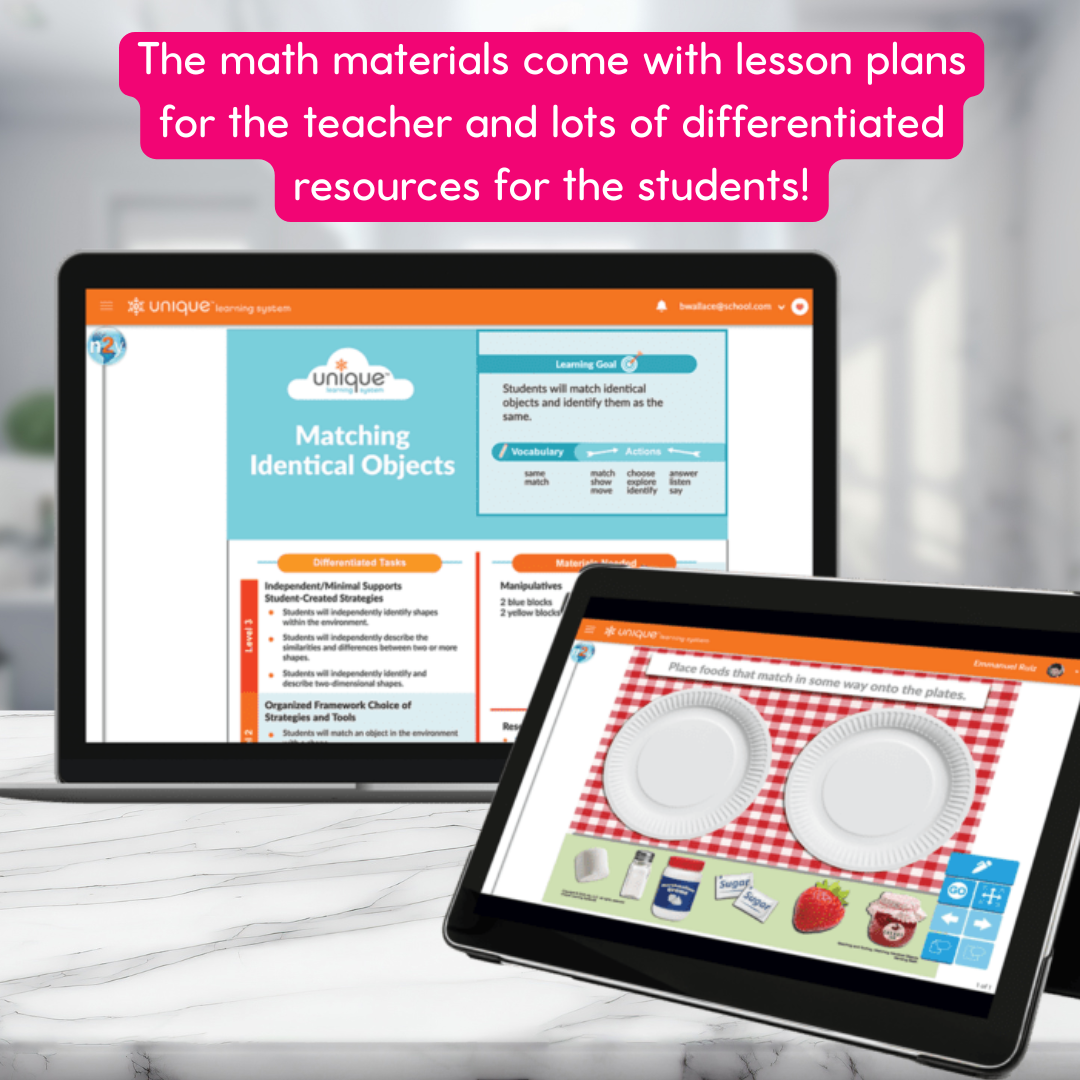
According to n2y, ULS is “a living curriculum with high-interest educational content that’s always up-to-date and aligned to all state standards,” providing access to the general education curriculum with materials that can be modified to meet IEP goals.
Here’s what you’ll find in each monthly math unit:
- Leveled Lessons (Levels 1–3) with lesson plans and objectives
- Practice Worksheets connected to the monthly theme
- Hands-On Activities with manipulatives and visuals
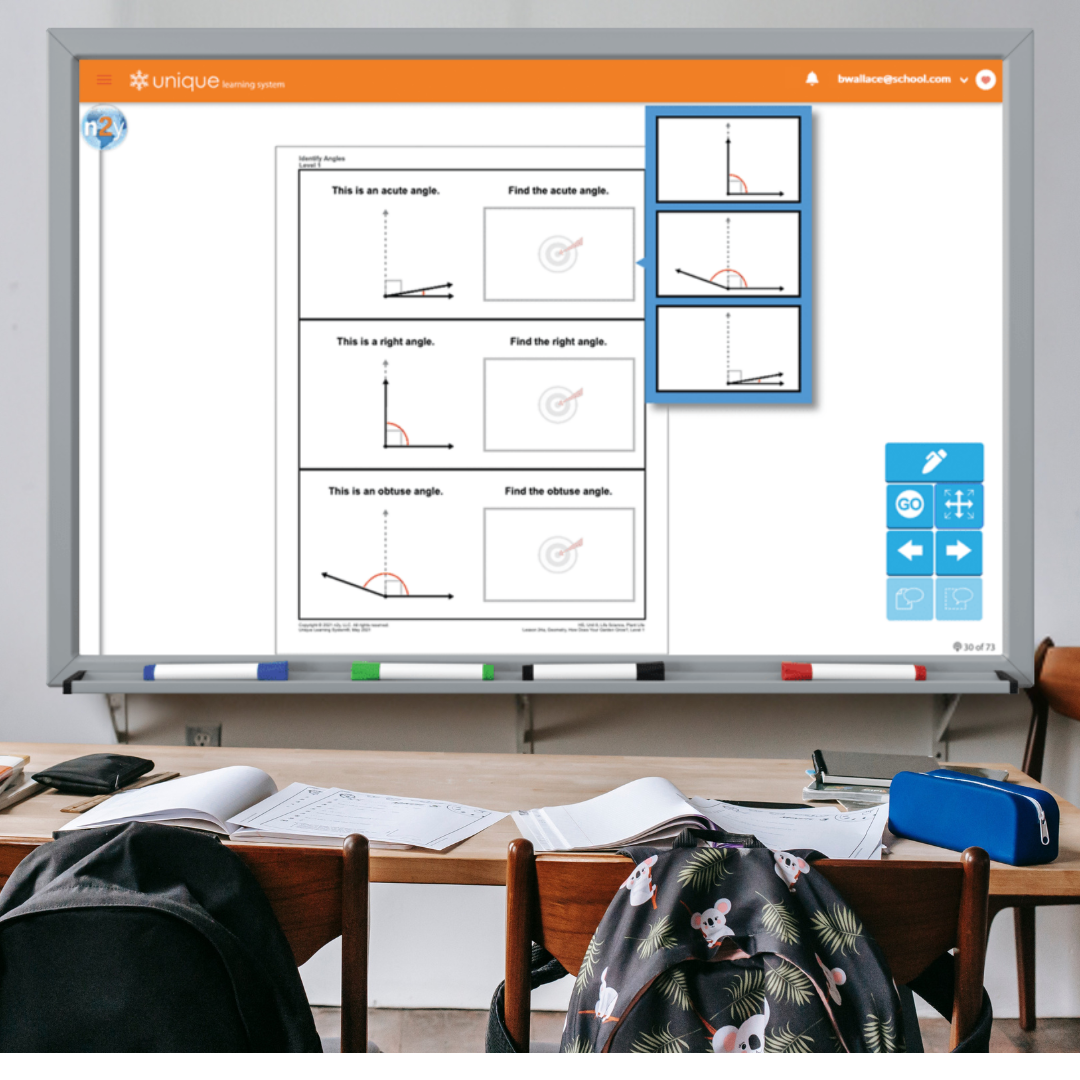
- Digital Interactive Versions for smartboards, tablets, or computers
- Assessments for tracking student progress
- A Suggested Monthly Plan to guide pacing
Unique Learning Systems Math can be used across the four main types of instruction in a self-contained classroom:
- 👩🏫 Whole Group – Introduce the monthly math theme using visuals, manipulatives, or interactive whiteboard lessons so all students engage in the same concept together.
- 👥 Small Group – Differentiate by ability level; one group may practice computation while another works on money skills or measurement.
- 🤝 1:1 Instruction – Use leveled worksheets or digital lessons to directly target a student’s IEP goals, providing intensive individualized practice.
- 📝 Independent Work – Assign printables, task boxes, or digital activities for students to complete on their own, reinforcing skills with consistency and predictability.
Why the Spiral Design Matters
One thing I do love about Unique Learning Systems Math is its spiral design. The math lessons repeat the same skills and structure each month (number sense, operations, measurement, data, money, geometry) but the content and theme rotate. For example, in a science-themed unit you might be adding together telescopes, while in a community helper unit you might be sorting firefighter tools.
This structure creates consistency and predictability, which is huge for my students. They don’t need to relearn how to complete a worksheet every month. Instead, they focus on the new content while practicing familiar math skills over and over again.
Unique Learning Systems Math by Grade Band
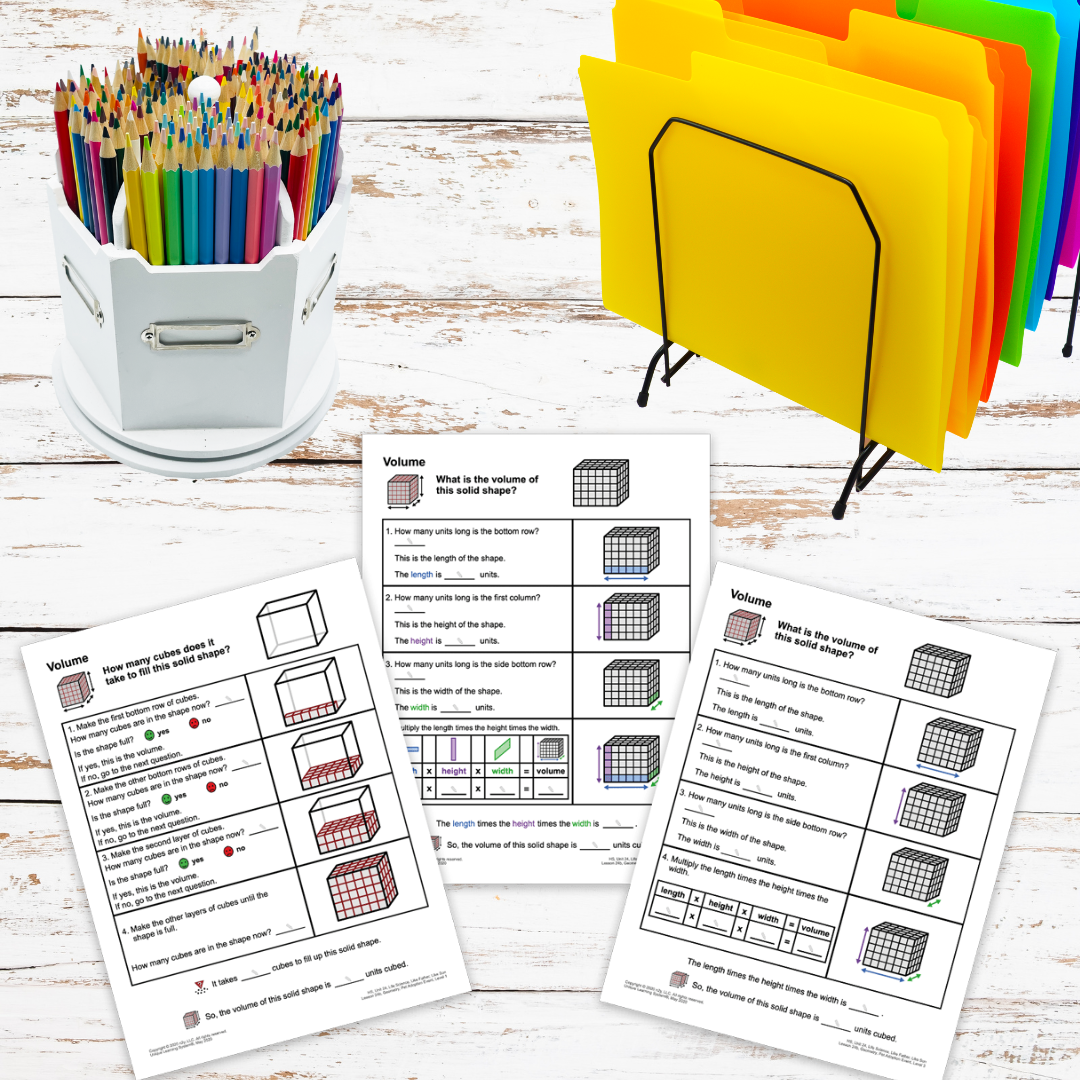
While I primarily use the middle school materials, here’s a quick overview of how math looks across grade bands:
- 👶 Preschool: Early numeracy (counting, shapes, patterns, sorting)
- 📖 Grades K–2: Counting, addition, subtraction, place value, measurement
- 📘 Grades 3–5: Multiplication, division, fractions, time, money, geometry
- 📗 Grades 6–8: Ratios, decimals, percentages, data, perimeter/area
- 📙 Grades 9–11: Algebraic thinking, multi-step problems, advanced money, data analysis
- 🎓 Transition: Functional math for daily living: budgeting, schedules, workplace math
Each band is already leveled into three access points (Levels 1–3), so you use the grade band that matches your students’ age/chronological grade, not their instructional level.
Math Skills Repeated Each Month
Some of the key math skills spiraled throughout the year include:
- Number recognition and counting
- Addition and subtraction
- Multiplication and division
- Fractions and decimals (upper bands)
- Geometry and shapes
- Measurement and data interpretation
- Time and money
- Real-world problem-solving
Planning with Unique Learning Systems Math Math
Here’s what I’ve found helpful in planning:
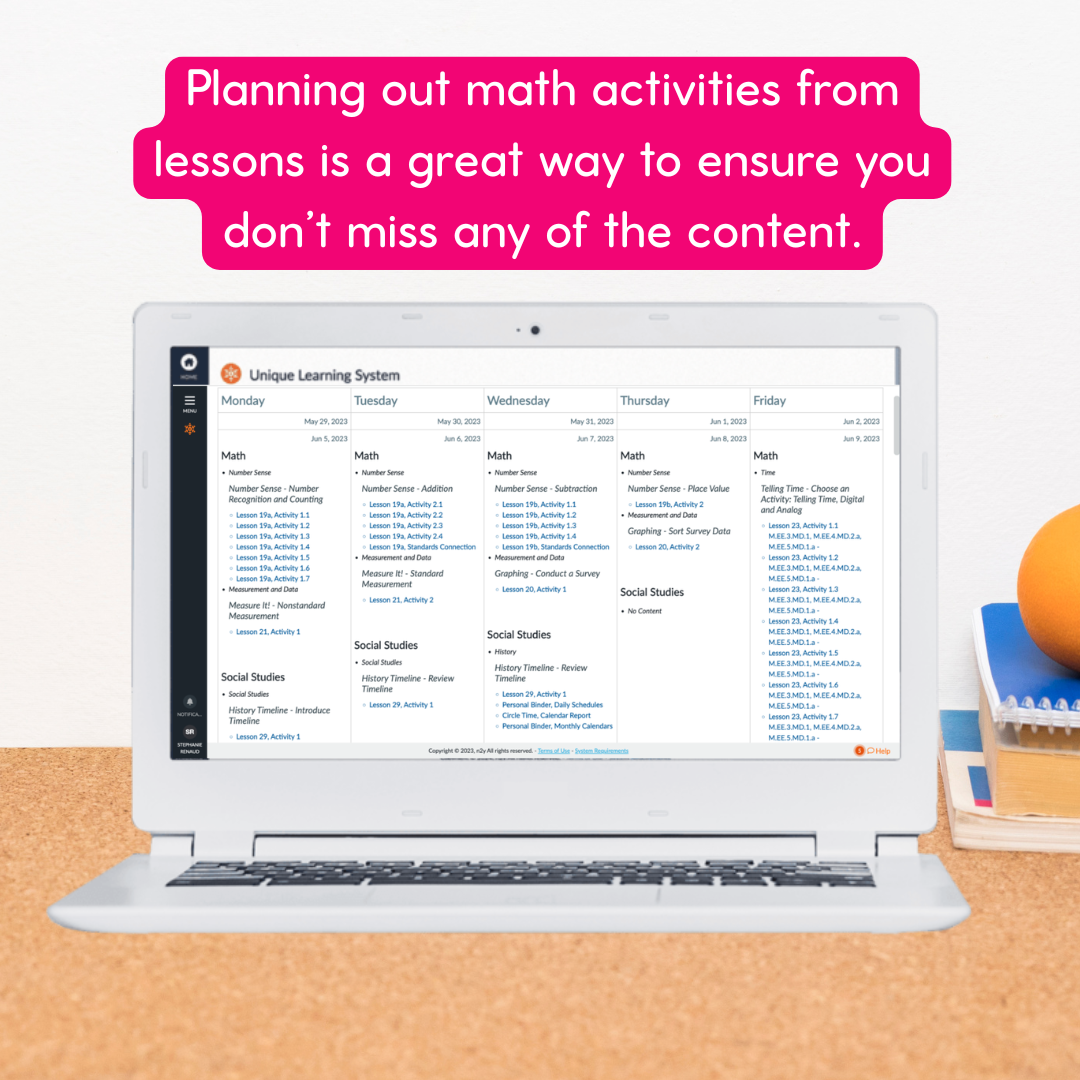
- Review the Suggested Monthly Plan – Start here for pacing and skill coverage. This is included with your Unique Learning Systems lessons every single unit.
- Preview the Materials – Skim the leveled lessons and worksheets. Mark what fits your students’ IEP goals and the standards that your school expects you to cover with your students.
- Print with Purpose – Don’t print everything. Prepare just what you’ll actually use. When I used the curriculum I would first decide what lessons and activities I wanted to use each month. Then I would pace those materials out to ensure I filled in all my math lessons.
- Sort by Student – I often sort materials into student work binders, matching tasks to each child’s needs or by the levels depending on how I teach the content.
- Use Across Instruction Types – Whole group for shared lessons, small groups for targeted instruction, 1:1 for IEP goals, and independent work for practice.
The Realities
As much as Unique Learning Systems Math has strengths, there are also limitations that teachers should be aware of:
- Functional Math Is Limited in Lower Bands – While early numeracy and foundational skills are included, there isn’t much focus on real-life math applications like money, time, or measurement in the preschool and K–2 bands.
- Transition Band Focuses Narrowly on Time and Money – Once you reach the transition level, the functional focus is mostly on time and money. These are important skills, but many classrooms need broader coverage (budgeting, shopping, cooking, workplace math) to truly prepare students for independence.
- Skills Stop at Certain Grade Levels – Some concepts disappear once you move into higher grade bands. For example, if you have a middle or high school student still working on counting, you may not find the resources you need in the band you’re assigned.
- Mismatch Between Grade Band and Student Need – Because you’re expected to teach the band aligned with students’ chronological age, not their instructional level, it can create gaps when students are working far below that level. Even though the materials are leveled (1–3), sometimes the scope of the curriculum doesn’t reach down far enough for certain students.
These gaps don’t mean the curriculum isn’t useful, but it does mean teachers often need to supplement with other materials to meet every student where they are.
Final Thoughts
Unique Learning System Math provides consistency, leveled access, and age-respectful materials across grade bands. Its spiral structure makes it predictable and manageable for students who need repeated practice. Still, no single program can meet every need. You may need to supplement with additional resources, especially if your students are working below the band you’ve been assigned.
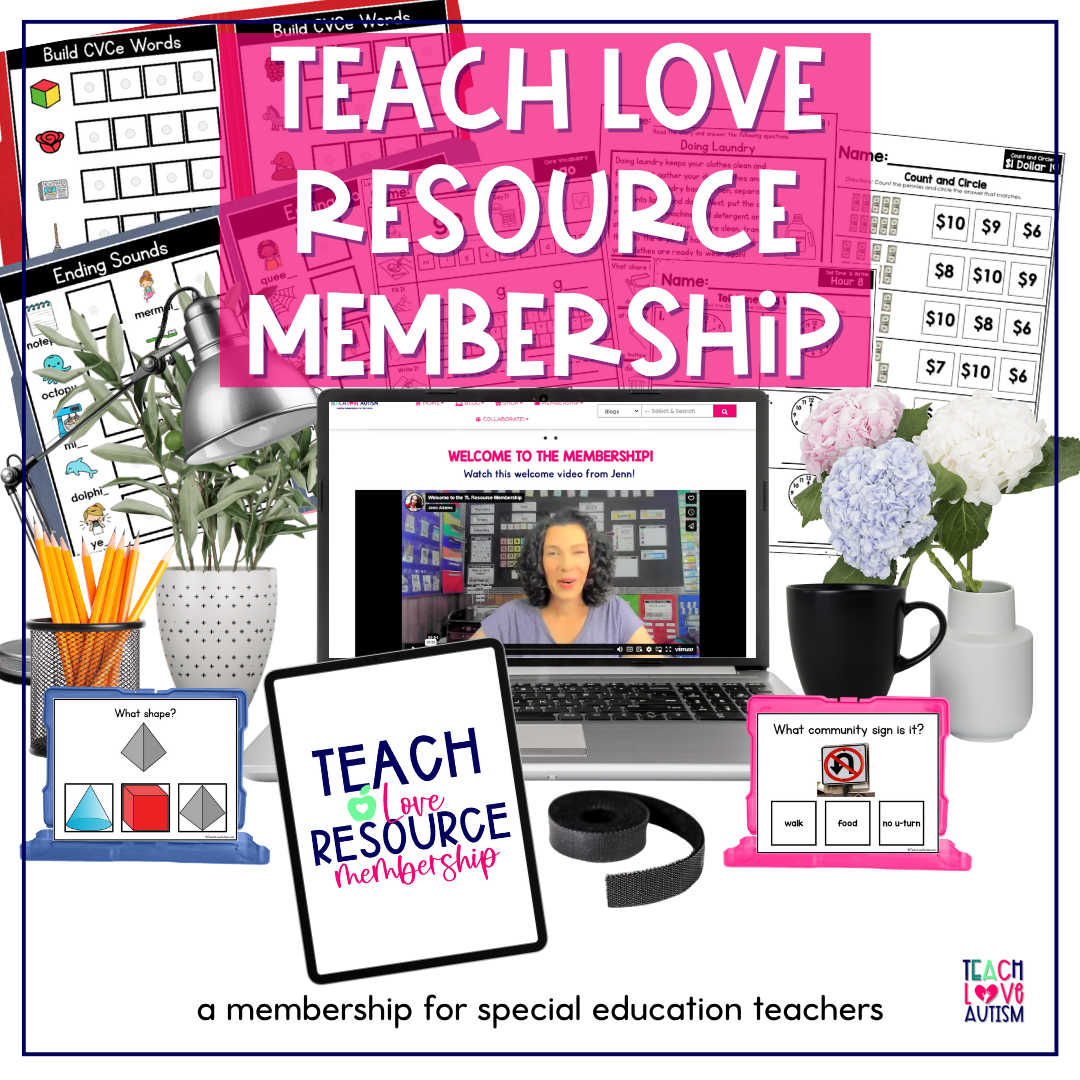
That’s exactly why I created the Teach Love Resource Membership. It’s designed to give you additional adapted materials (task boxes, math centers, functional skills activities, and more) that pair perfectly with ULS and help you meet every student where they are.
👉 Ready to fill in the gaps and save yourself time? Join the Teach Love Resource Membership today and get access to a library of tools that support you and your students all year long.