If you’re new to Unique Learning Systems Reading (ULS), it can feel like a lot to take in. Each month, hundreds of pages of materials are dropped into your dashboard: stories, activities, worksheets, assessments, and more. It’s easy to wonder: Where do I even start?
The truth is, once you understand the structure of a Unique Learning Systems reading unit materials, you’ll find that it brings consistency, predictability, and alignment to your classroom in a way that saves you time and gives your students access to meaningful literacy instruction. This took me some time, but once I got a jist, I have found ULS to be a phenomenal resource in my classroom.

In Unique Learning System, materials are organized into grade bands: Preschool, K–2, 3–5, 6–8, 9–11, and Transition. When you set up your classroom with ULS, you’ll usually be assigned to teach within the band that matches your students’ chronological grade level, not their instructional level. That’s because the curriculum is already differentiated into three access points (Levels 1, 2, and 3) to meet students where they are. In other words, the grade band sets the overall scope and age-appropriate content, while the leveled materials ensure that every student can engage with the lessons at the right level of support. This structure keeps instruction aligned to state standards and helps students participate in age-respectful learning, no matter their current reading or math ability.
ULS Reading by Grade Band
👶 Preschool
- Texts: Picture-heavy, symbol-supported books
- Focus: Emergent literacy, attention to print, concepts of story
- Activities: Listening comprehension, matching, pointing to pictures
- Reading Skills: Beginning vocabulary, story routines, simple sequencing
📖 Grades K–2
- Texts: Repetitive, symbol-supported stories with early phonics
- Focus: Foundational reading skills and sight words
- Activities: Matching words to pictures, sequencing, answering simple WH questions
- Reading Skills: Sight words, early fluency, phonemic awareness
📘 Grades 3–5
- Texts: Informational + narrative aligned to themes
- Focus: Building comprehension and fluency
- Activities: Graphic organizers, sequencing, compare/contrast
- Reading Skills: Vocabulary expansion, summarizing, retelling, basic inference
📗 Grades 6–8
- Texts: Longer informational texts with cross-curricular content
- Focus: Connecting reading to real-world topics
- Activities: Higher-level comprehension questions, written responses
- Reading Skills: Inference, analyzing details, identifying main ideas, vocabulary in context
📙 Grades 9–11
- Texts: Unit novels, extended passages, and practical literacy tasks
- Focus: Combining academic and functional reading
- Activities: Annotation, answering comprehension in multiple formats
- Reading Skills: Using text evidence, summarizing, analyzing, making connections
🎓 Transition (Ages 18–22)
- Texts: Functional texts (menus, forms, workplace documents)
- Focus: Literacy applied to life skills and job readiness
- Activities: Role-play, practice reading directions, comprehension of workplace vocabulary
- Reading Skills: Functional reading, fluency in everyday tasks, job application literacy
Reading Skills Covered
Unique Learning Systems Reading builds core literacy skills like comprehension, sequencing, vocabulary, and text analysis across all grade bands. While the complexity increases with age, the skills themselves repeat each month in a spiral format. This consistency gives students the practice and predictability they need, making the curriculum both easy to use and powerful for building confidence.

Across grade bands, Unique Learning Systems Reading lessons address a range of literacy skills, including:
- Listening comprehension
- Answering WH questions
- Sequencing story events
- Vocabulary development
- Making inferences
- Summarizing and retelling
- Identifying text features
- Using text evidence
- Reading fluency and word recognition
Each grade band adapts these skills to the developmental level of the students.
Spiral Curriculum for Consistency and Predictability
One of the biggest strengths of Unique Learning Systems Reading is that it’s a spiral curriculum. That means:
- The structure of lessons stays the same each month
- The skills you teach are consistent and repeat across units
- Only the theme and content rotate
This creates predictability for students. Month after month, you don’t have to re-teach how to use the materials. You only teach the new content within a familiar structure. This repetition helps build independence and confidence, while reinforcing core reading skills.
What’s Inside a ULS Unit Each Month
Every monthly ULS unit is built around a theme (like Community Helpers, Living Things, Earth and Space). Within that theme for most of the grade bands, you’ll find:
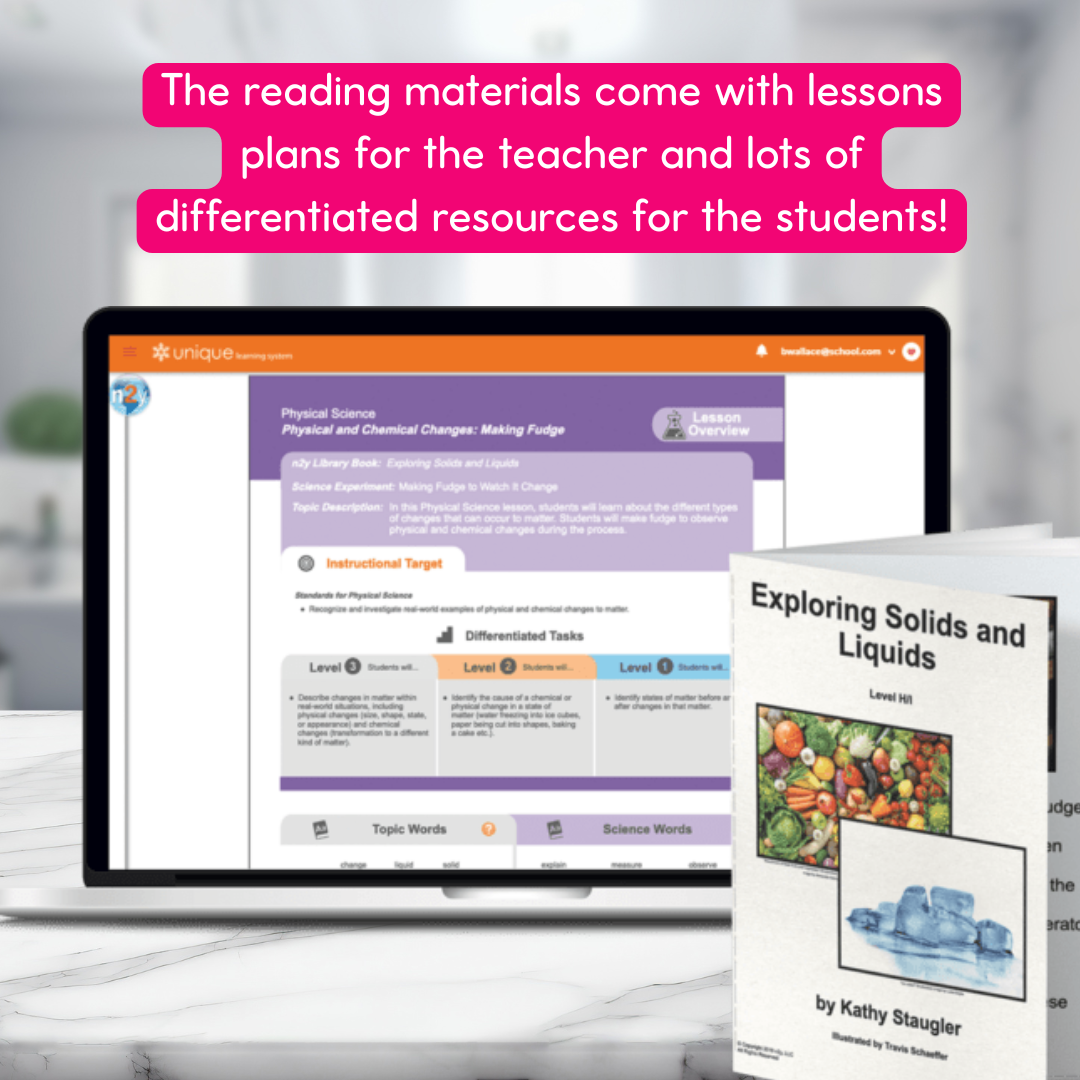
- Leveled Chapter Books (Levels 1–3)
- Comprehension Questions aligned to the text
- Graphic Organizers and Worksheets at each level
- Vocabulary Materials with symbol support
- Reading Fluency and Word Recognition Activities
- Lesson Plans with standards and objectives
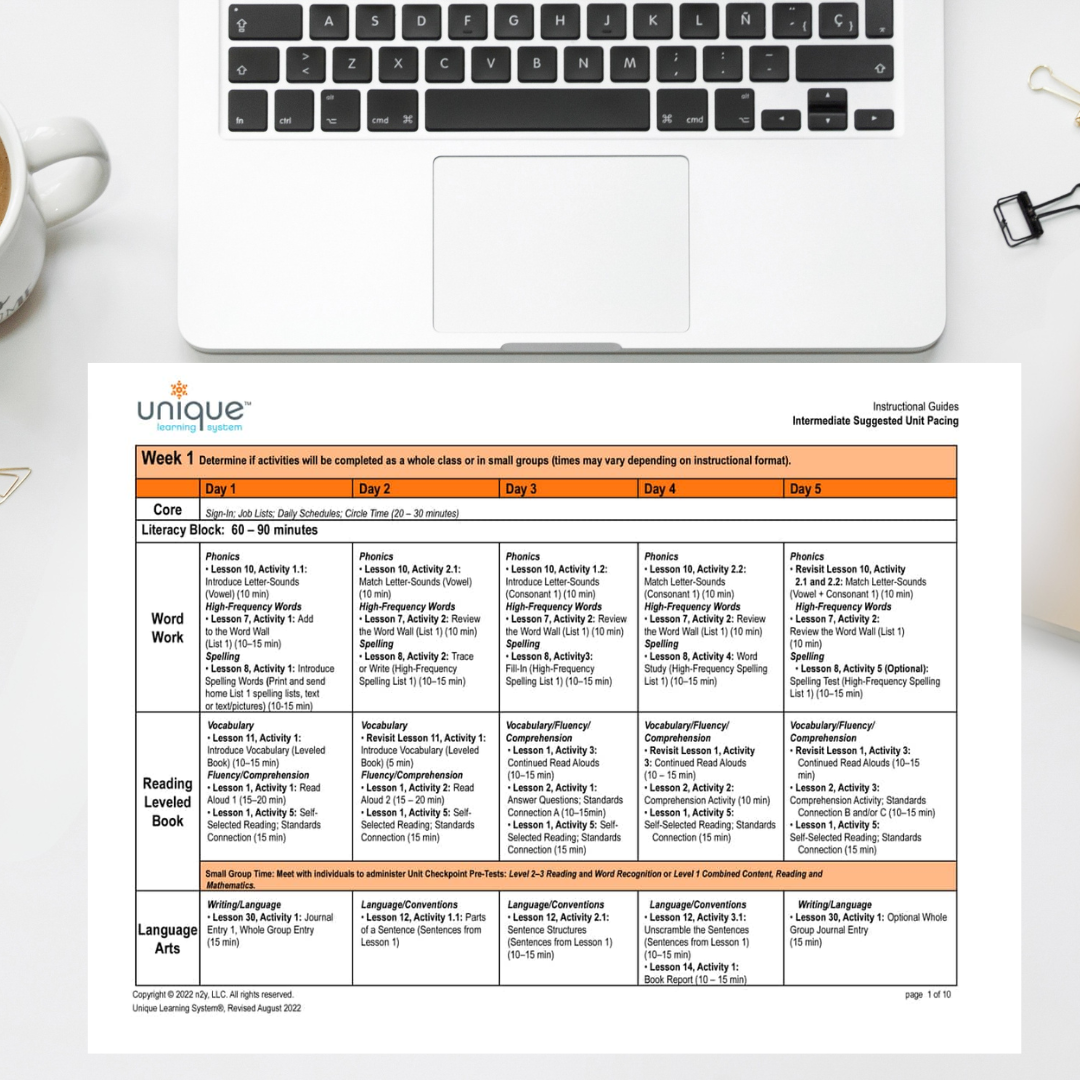
- A Suggested Monthly Plan to guide pacing
- Digital Interactive Materials as well as printables
Each grade band (Preschool through Transition) has its own age-appropriate version of these resources. Some may differ depending on the grade level and standards covered at those grade levels.
🗂️ How to Plan Your Month with Unique Learning Systems Reading
Step 1: Review the Monthly Plan
ULS provides a suggested monthly plan for pacing. Use this as your starting point. It shows how to break down the unit across four weeks.
Step 2: Skim the Materials
Download the monthly PDF and digital pack. Flip through to identify the chapter books, worksheets, and comprehension activities you want to use. Highlight what aligns with your students’ IEP goals.
Step 3: Print with Purpose
Only print what you’ll actually use. Make one teacher copy of the books (Levels 1–3), and student copies of worksheets. Keep them grouped together for easy access.
Step 4: Organize for Easy Grab-and-Go
Use a binder with dividers to store each chapter’s materials. Put leveled books in the divider pocket and worksheets behind. Label student tabs for fast distribution.
Step 5: Pace Out Your Lessons
Follow the suggested monthly plan, but be flexible. You might stretch one chapter over two weeks, or condense if your class moves quickly. Keep in mind ULS is spiral. You’ll revisit these skills again.
Bonus: Phonics Curriculum Aligned to the Science of Reading
Alongside the reading materials, ULS also offers a phonics curriculum aligned with the Science of Reading. This is a fantastic add-on to your literacy block because it provides structured, evidence-based phonics instruction. By pairing the ULS phonics program with the monthly reading lessons, you can reinforce decoding, fluency, and comprehension in a way that supports all learners. Here is a blog post I wrote about using that in your classroom and adding it to your existing Unique Learning Systems Reading instruction.

Final Thoughts on Unique Learning Systems Reading
Unique Learning System may feel overwhelming at first glance, but once you understand the structure, it becomes a lifesaver. Each month, you’ll know exactly what’s included, how to plan, and how to keep lessons consistent for your students.
With its spiral curriculum, predictable routines, and leveled materials, ULS provides a strong foundation for literacy instruction across all grade bands, helping students grow in confidence, independence, and reading success.
👉 Ready to take your literacy block even further?
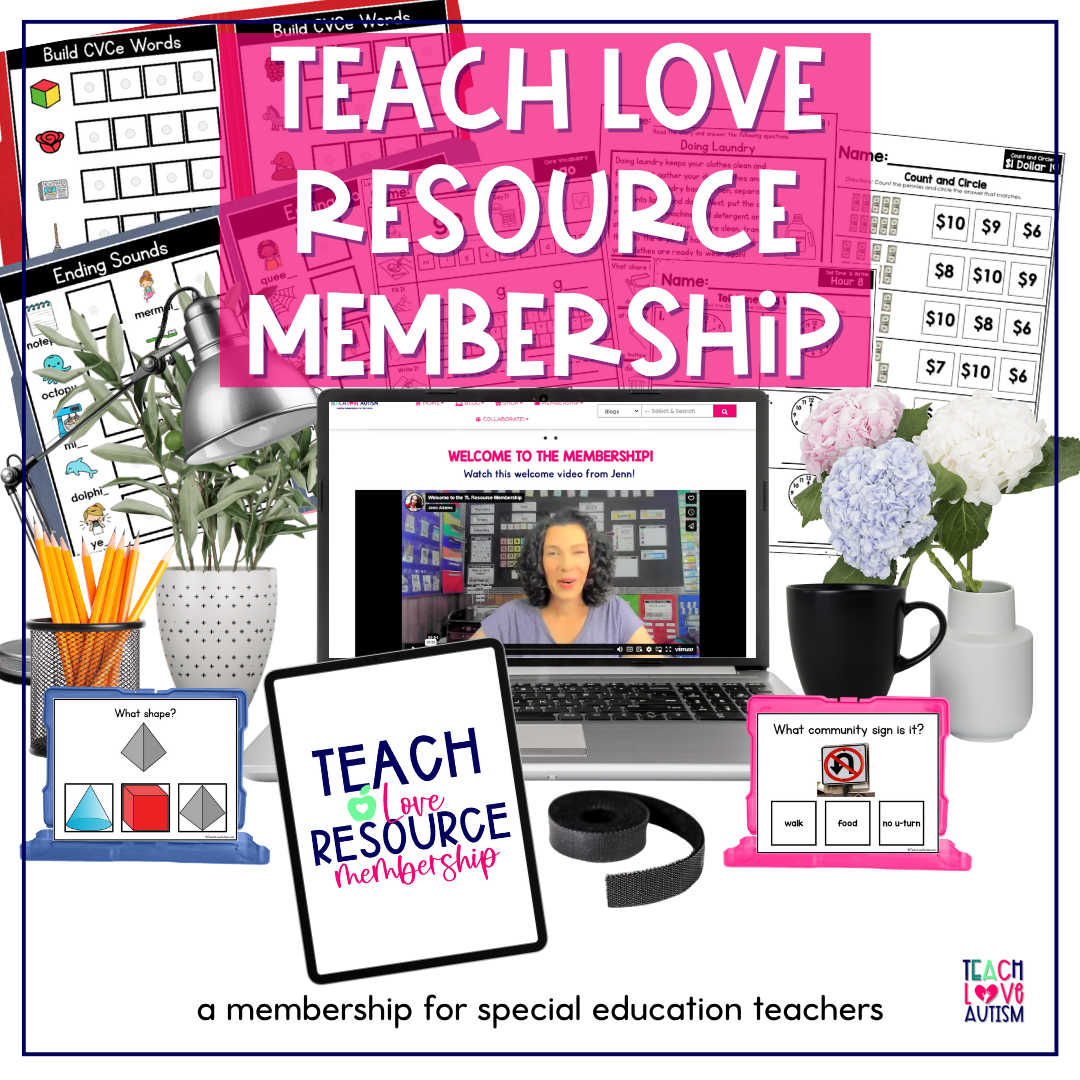
The Teach Love Resource Membership gives you access to exclusive, ready-to-use materials designed to save you time and support your students in every area of the classroom. From adapted books and task cards to social narratives and phonics practice, you’ll find resources that perfectly complement ULS while filling in the gaps to meet your students’ unique needs. Join today and start building a library of tools that make teaching easier and learning more engaging!